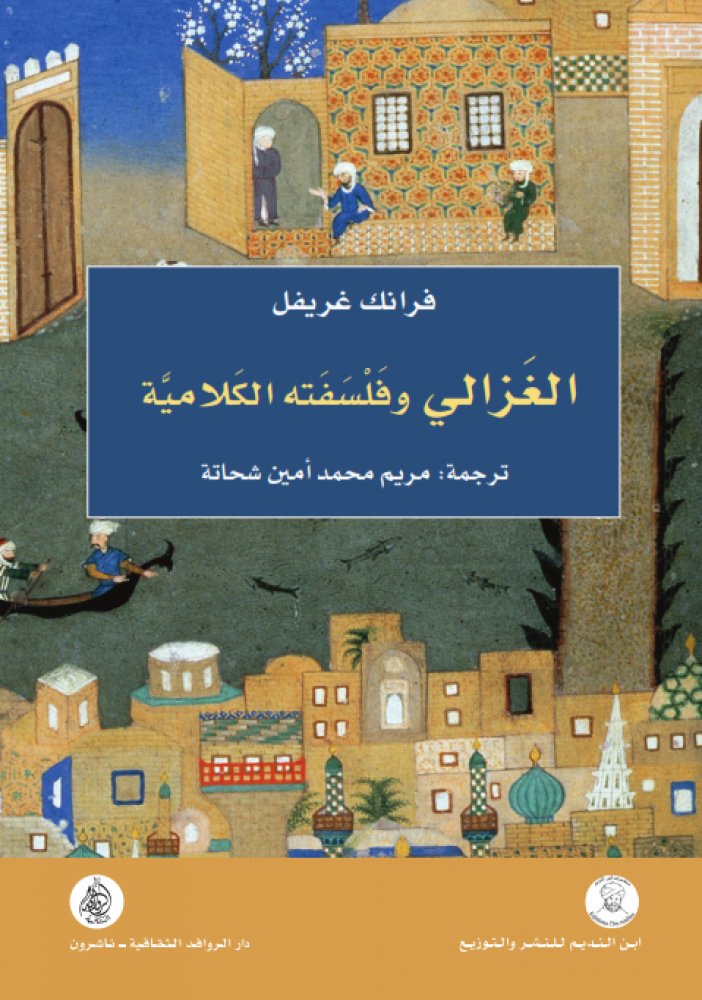
Al-Ghazali and his theological philosophy
107.81ر.س
Product description
People today— in the Western and Islamic worlds— look at Islamic civilization as a phenomenon from past eras. While we see that Islamic civilization, like its counterparts— the ancient Egyptian civilization or the Roman civilization— had a "Golden Age," a period of prosperity and exploration, extending from the second century AH / eighth century AD to the sixth century AH / twelfth century AD. Following these centuries, there was a decline and fall on one hand, and the emergence and rise of another civilization that was more creative and innovative on the other. This new civilization is usually referred to as "the West," a vague term that includes the achievements of Galileo Galilei and Christopher Columbus, as much as it includes the development of personal computers and the World Wide Web (Internet). Since the eighteenth century, Western scholars— who focused on studying the reasons behind the end of the Islamic Golden Age— mostly concentrated their efforts on highlighting the various and multiple roles played by philosophy in these two cultures. Philosophy and the production of rational debates have always been considered the engines that initiate and accelerate the development of new ideas and technologies. Therefore, there was a claim that although philosophy in the Islamic world grew significantly during the Golden Age of Islamic civilization, late scholars in Islamic societies abandoned the study of philosophy, neglected it, and turned their attention to sciences and religious disciplines.
