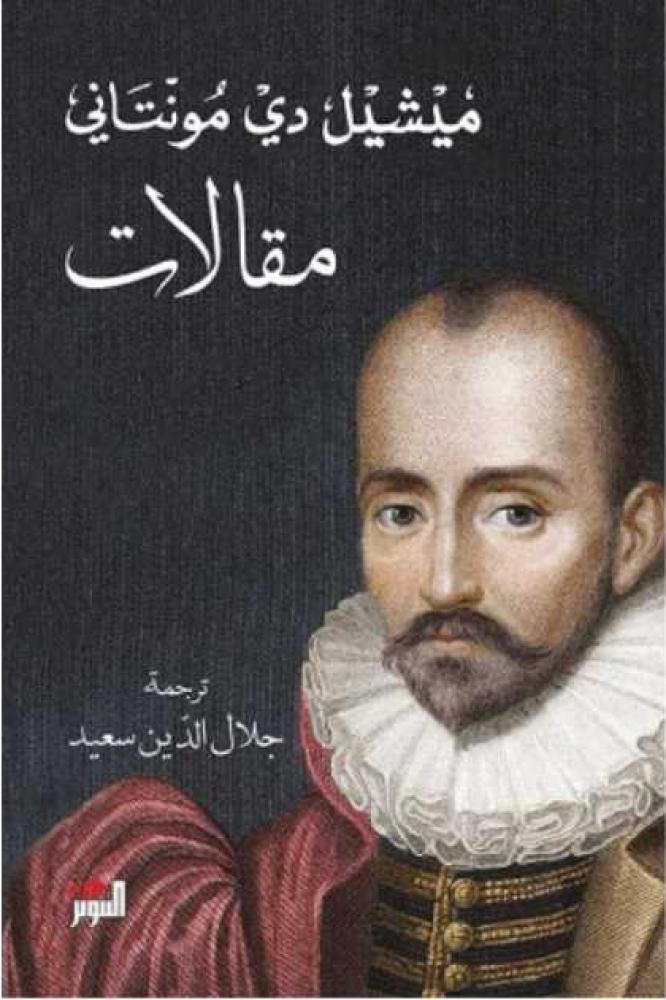
Articles of Michel de Montaigne
56.06ر.س
Product description
"It is a book present in every time and place, as has always been said about it for centuries." Sarah Buckwell - author of the book How to Live Life. Montaigne opens his book with a message to the reader expressing his purpose in writing these essays: "I present this book to you with sincere intention, as I warn you from the beginning that the purpose of its preparation is merely a private and personal one, for I did not write it to help you nor for the sake of fame... If I wanted to gain the favor of people, I would adorn myself with the finest attire, but I want, on the contrary, that they see my simplicity and my ordinary conduct, without pretense or falsehood, because I wish to portray my self-image. Through this book, my flaws and shortcomings will appear, which I have allowed myself within the bounds of my respect for the audience." Michel de Montaigne is one of the most important figures of the Renaissance. In 1572, Montaigne retired and settled in his estate with the aim of relaxing, reading, and contemplating. There, he wrote his essays, inspired by the books he read and his life experiences as well. Montaigne describes his essays as: "A book united with its author," explaining the strength, magic, and attraction of this work, which introduced us to one of the most captivating names in European culture. A human thinker, skeptic, and keen observer of himself and those around him. His themes reflect the major aspects of existence through a spectrum of self-awareness. Every line of his writings reveals his values of tolerance, moderation, and objective inquiry, reaching the extent of being an informal manifesto for the Enlightenment era, of which he is considered a messenger.

Questions you might have