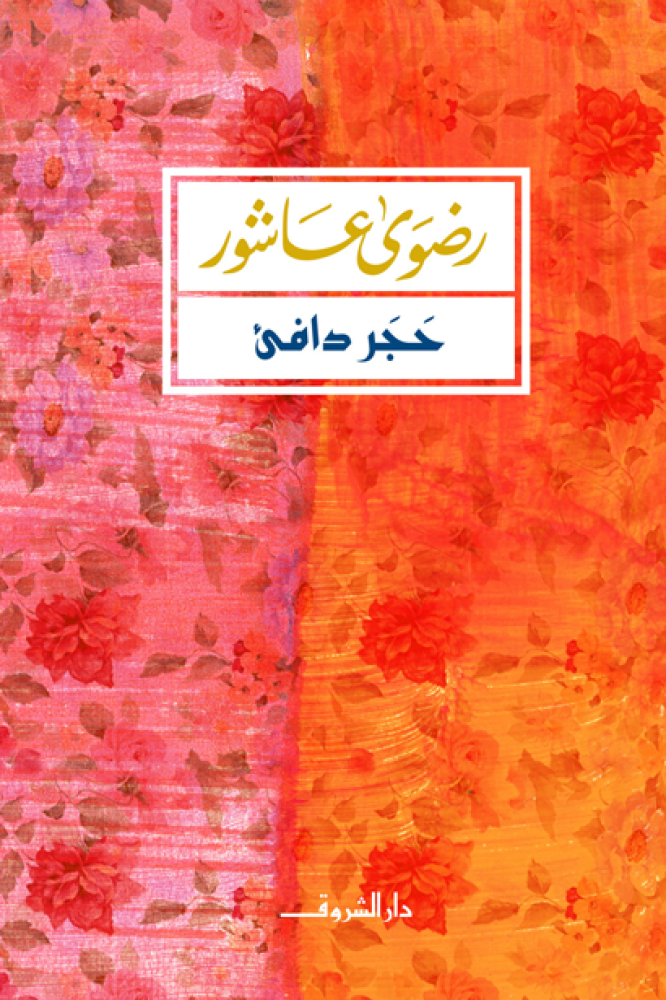
Warm stone
36.87ر.س
Product description
A very remarkable classic novel, similar to many of Radwa Ashour's novels (Kafraj, and Atayaf, and Khadija, and Sawsan), a novel about the era of the seventies and eighties and the events overflowing from that difficult period in the nation's history, about the student movement of the seventies and the horrific control of capital, and the beginning of the wave of migration either to the Gulf in search of fake money or to Europe in search of a decent living. All of this in the context of understanding the impact on Egyptian social life in general. All of this is presented through the life of a simple Egyptian family that gathered many different human models and choices, some preferred migration to the Gulf for money, others chose migration to Europe for ambition, and some chose to stay in the homeland to face the injustice of the state, the tyranny of its regimes, and corruption of its laws. Amid all this, the mother's role and her endurance of hardships emerge. The extent of injustice inflicted on simple Egyptian families and the hardships they faced is also highlighted. Radwa writes about the girl, the young woman, the mother, and the grandmother... and about their constant anxiety: "Who said anxiety goes? It overflows!" and the effect of time on them: "It seemed to her over those years that fear dissipates when children no longer are children..." and about lightness and heaviness: "Why did God create humans this way, only appreciating blessing after it is gone?" and about the relationship between generations, always finding generations in her writings: "Was what they taught us the true mind?" and there is always a comparison between the city, the West, and the village where: "Strict mothers like temples, mastering life and mourning rituals." And a lesson in sincerity: "... and when workers went on protests and he was arrested, he remained imprisoned for a whole month. When he was released, she told him he should be more cautious because he is not a student like Ali was when they caught him with the students at the university, and that he is opening a house and will become a father, and this is a responsibility." But Taha surprised her by saying: "Oh my mother-in-law, why haven't you married after the death of the late?" = "And is that, Taha, a question? Shame!" - "What I meant to say is that every honest person remains loyal and faithful to something they see as very essential in their life. For you, the late was your husband and the father of your children, and although he died and you are a 23-year-old girl, you didn't think of marriage after him." = "And when you go to prison, to whom are you loyal?" - "It's not the prison that's the issue, but faith in certain things and holding onto that faith even if the cost of injustice is prison or something worse than prison." A glimpse into a history she experienced and interacted with, specifically the history of the student movement in the seventies, from the student protests in January 1972 to the January 1977 uprising. The protest against the authority and its control over people's lives and awareness, until they could no longer imagine their existence without it: "Can a person have a death certificate if they don't have a birth certificate?" And "Salla" moves between chapters, sometimes with Shams, sometimes with Bushra, once carrying vegetables, another time stones, and another with solar bread!

Questions you might have