The wasted human
46.58ر.س
Out of Stock
Product description
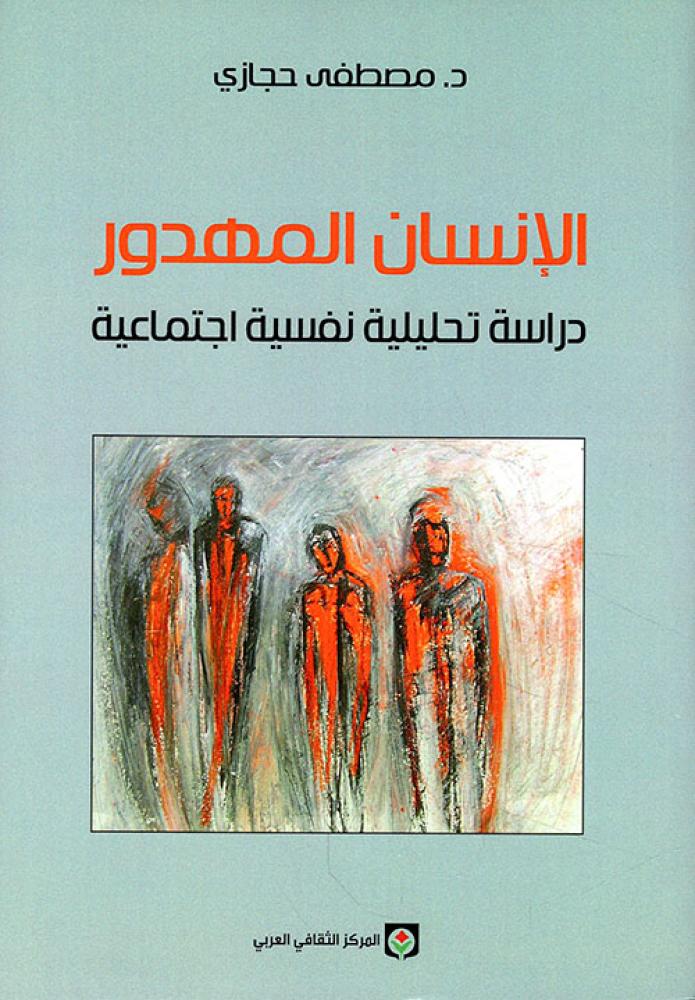
The Arab human chooses Hijazi to present a practical educational sample of the concept of the wasted human. He sees in this regard that psychology in the Arab world is very deficient in addressing many of the critical and existential issues of the Arab human. This is for several reasons, including that we are still followers of "Western psychology, which originated and developed to serve the needs of the industrial society in the West specifically." There is another important reason, which is "the intensification of the system of taboos that continues to escalate in our Arab world," where researchers are forbidden from delving into details considered prohibited for free thinking due to the danger they pose to exposing the Arab political system. Dr. Mustafa Hijazi, after years of publishing his old and famous book "Social backwardness: An introduction to the psychology of the oppressed human," now returns to continue his project of dismantling a new concept, which is the wasted human. Between the "oppressed" human and the "wasted" human, there is not only a phonetic rhetorical pun but also a semantic pun that the reader will discover in the nine chapters and introduction of the book. Waste begins from the waste of blood to the waste of time, passing through the waste of thought, awareness, and creativity. "And waste may take the form of not recognizing energies and competencies, or the right to self-determination, free will, and even the right to self-awareness and existence" (p. 28). Therefore, Hijazi considers that waste is more dangerous than oppression. While oppression, for example, means recognition of the other's entity, and a conditional recognition that the other remains submissive to me and my ownership, waste entails "withdrawing recognition altogether of the value of the entity, energies, awareness, or status" (p. 29). An example of this can be the "globalization," which wastes the meaning of belonging to nationalism by stripping identities and linking everyone to the market economy and its concept instead of the economy of the local community and the homeland.
