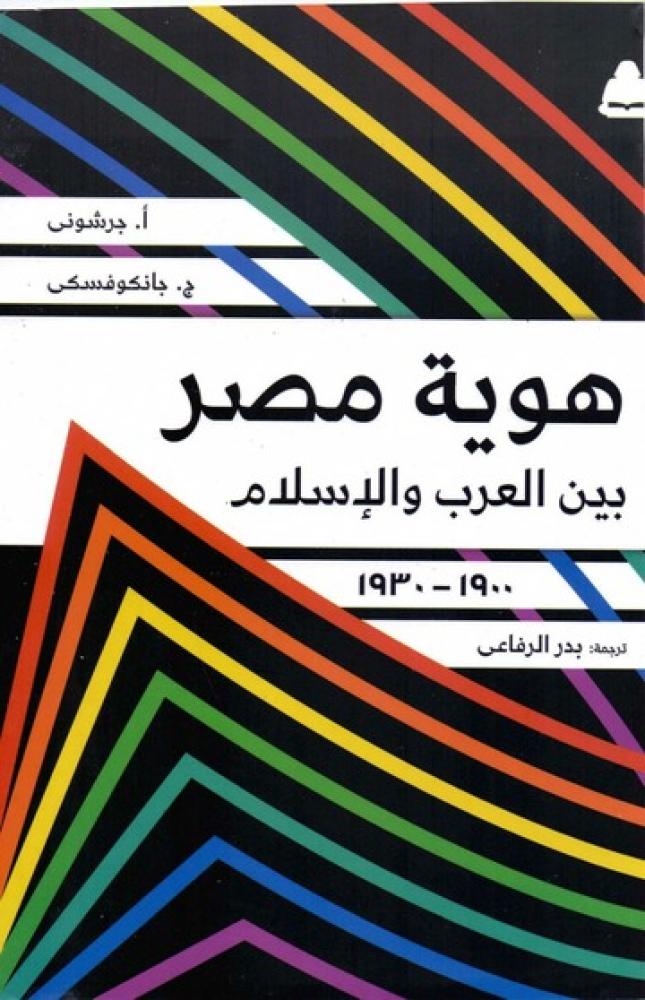
Egypt's identity between the Arabs and Islam
16ر.س
Product description
Egypt's identity has been and still is generally, and modern history has witnessed hesitant stands before that identity. Often, this has been linked to a severe societal crisis or a historical crossroads experienced by the country and society. The book in our hands deals with one of those important periods in modern Egyptian history during which the debate over identity intensified, as the period it covers (1900-1930) witnessed radical developments both internally and externally. By these developments, we mainly mean the Ottoman "Perestroika" that the remnants of that empire experienced with the rise of the Kemalist movement. The tendency of the "Kemal Atatürk" movement to abandon the Ottoman imperial entity with its Islamic face, and to move towards establishing closed Turkish nationalist foundations with a secular face, had an impact on spreading disorder in the concepts of identity that had long been settled. With the new direction of the Turkish state, Egypt lost the Ottoman allegiance it belonged to and sought shade under, and stood at a crossroads searching for an alternative belonging. Therefore, this book discusses Egypt's identity.
