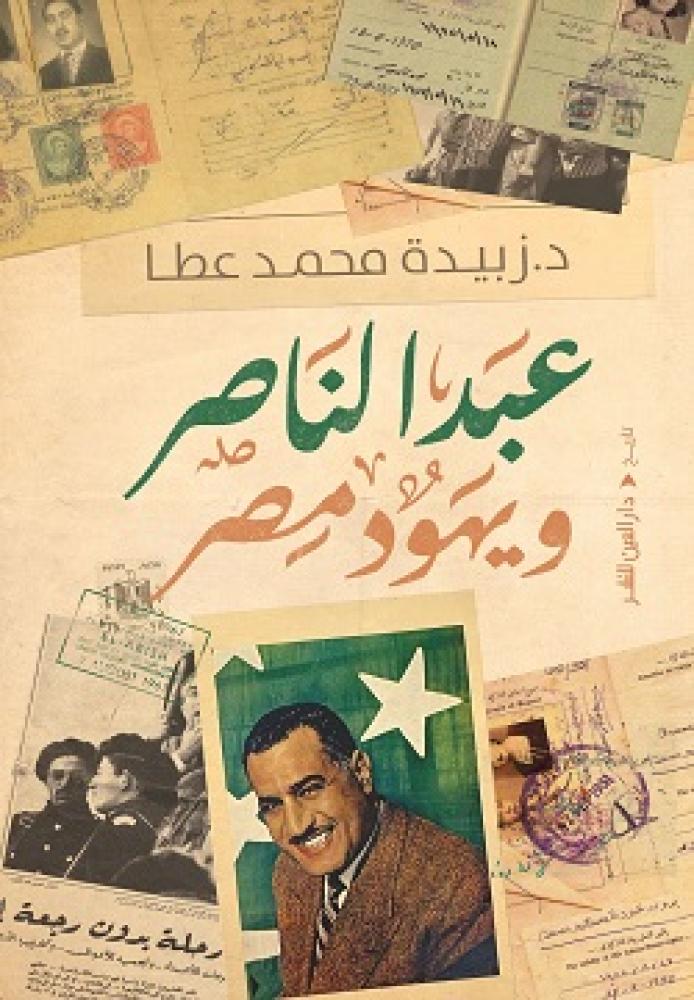
Abdel Nasser and the Jews of Egypt
69ر.س
Product description
The book presents an important period in: the history of Egypt and the subject that sparked controversy from claims that the Jews were expelled and tortured during President Nasser's era, and it was addressed by Israeli writers, and some Egyptian writings mentioned it. And I do not evaluate the Nasserist experience, but I present the position of the revolution and Nasser towards the Jews of Egypt, and the truth proven by historical documents and official census lists is that most of them left before the revolution and for reasons of their own, and their numbers were: in 65% of the Jews had left. During Muhammad Ali's era, they numbered 7,000 and increased at the beginning of the twentieth century to 63,000, which was the maximum number, and the reason for their direction to Egypt was that it was a country open to investment and subject to occupation and foreigners, under mixed courts and discrimination that made Egypt's economy in their hands, and many of them continued to acquire foreign citizenship despite Egyptian citizenship being available in 1929. As for the factors that led to their departure from Egypt, the first factor: the issue of national or religious belonging that was raised by Mossieri and other Jewish leaders with the rabbi, in a question about whether the Egyptian Jew belongs to his homeland or to his religion, and what the stance would be when they conflict. A number of Jews migrated to settlements and formed a faction that fought the Egyptians in 1948. The second factor: the role of Jewish organizations, especially Mossad, in incitement. The third important factor: the abolition of foreign privileges, mixed courts, Egyptianization, and the 1947 law that stipulated that 75% of the workforce be Egyptian, which reduced opportunities for foreign Jews to work, as well as discrimination against the patriotic Jew who leans towards Israel, especially after 1948. The fourth factor: the growth of Egyptian and Arab nationalism, which Jews could not integrate into, and the increasing national feeling after 1948 and suspicion of the Jews' stance. However, this did not prevent Jews like Shahana Haroun and Youssef Darwish from loving Egypt. As for the Jews' revolution, but the Lavon sabotage operation initially did not take a stance. Under Israeli orders, and the 1956 war raised doubts on both the popular and government levels, then came nationalization and socialist decisions that included all Egyptians, not just Jews, closing the door to capitalism, and the field for investment was no longer open.

Questions you might have