






اولفيرا
12ر.س
Product description
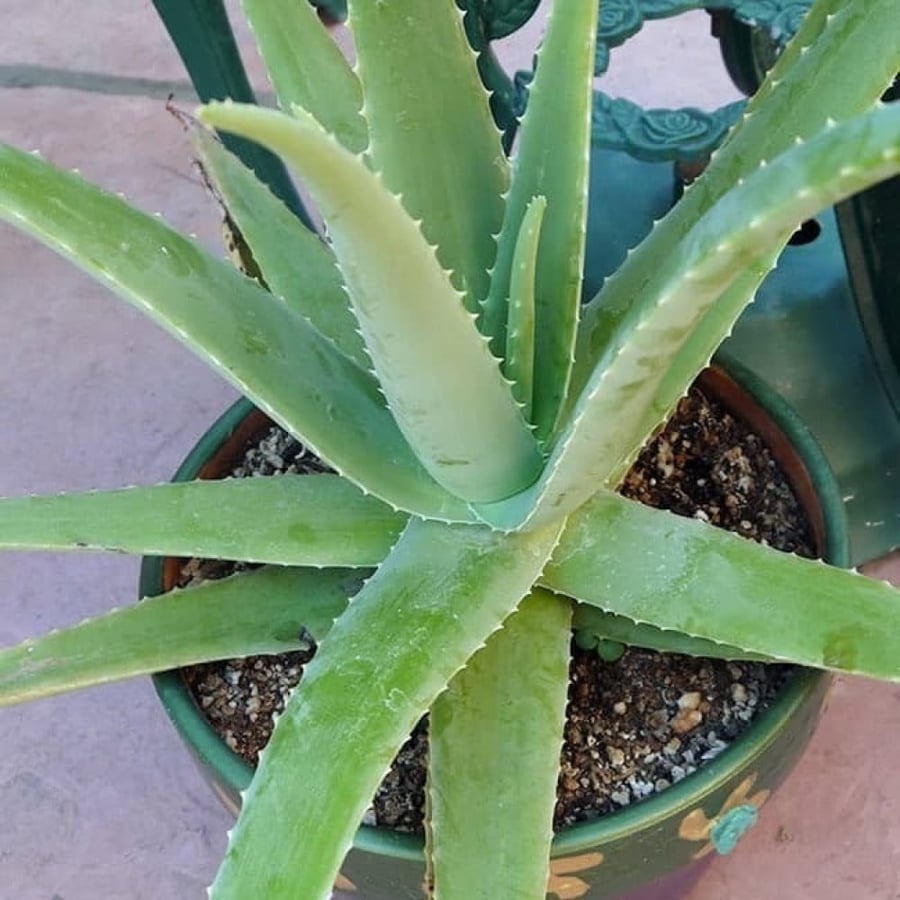
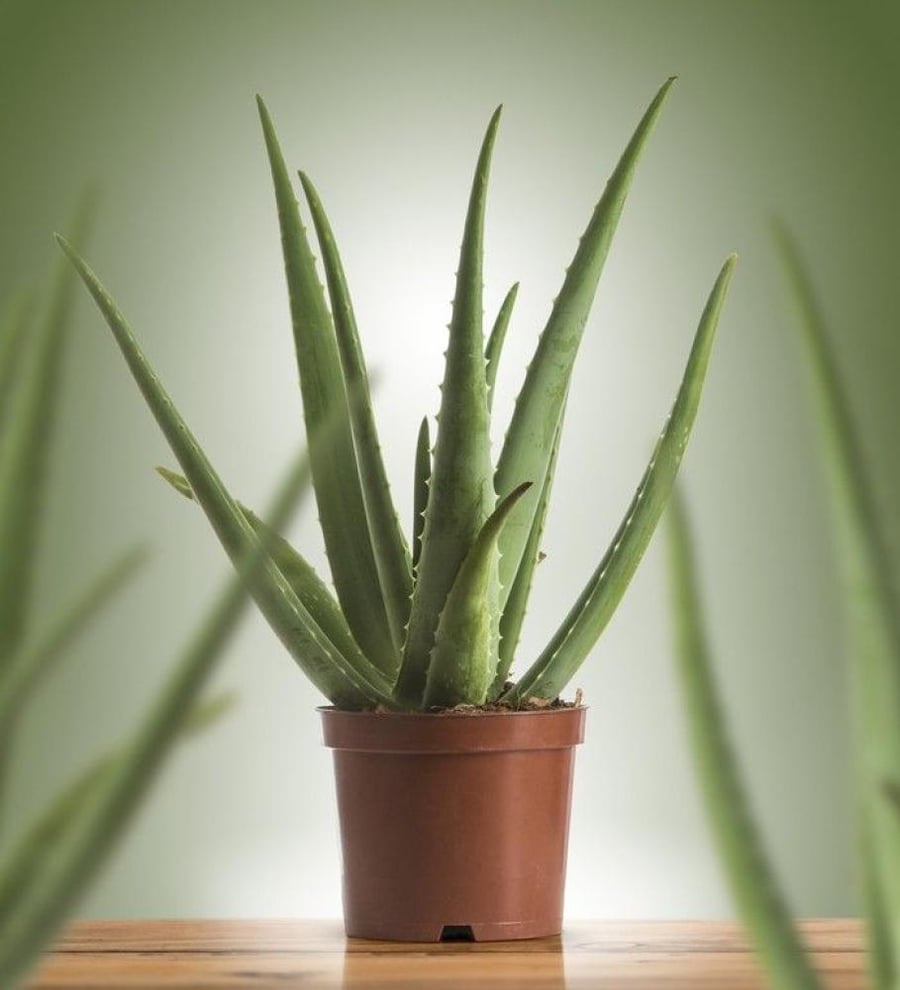
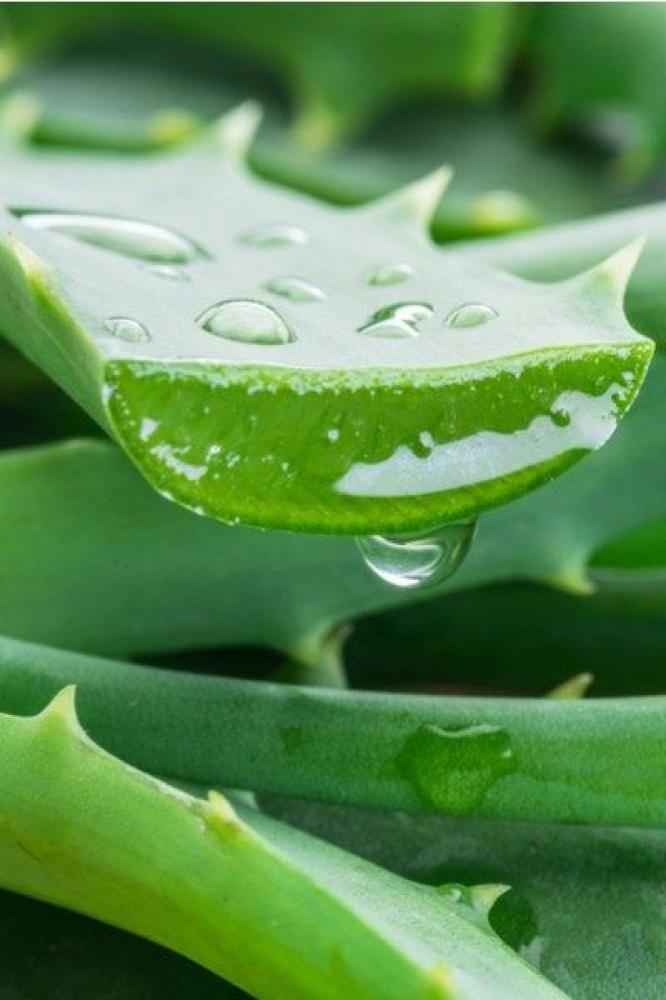
Aloe vera cactus, also called hair cactus. Its scientific name is Aloe barbadensis. A succulent (fleshy) plant that is easy to cultivate and grows to about 45 cm in height, and it grows in dry areas in most parts of the world. Its leaves are pointed at the edges, and there are several types. The plant is cultivated for beauty purposes in rock gardens or alone. Its extract is used to treat burns, especially burns caused by prolonged exposure to sunlight, where a piece is taken, broken, and the liquid from the break is applied to the affected area, significantly reducing pain. It is also cultivated to benefit from its sap for hair care.
Care: Aloe vera cactus needs bright light in natural conditions. It can grow in low light and tolerates hot weather. Aloe vera cactus is considered a relatively fast-growing plant, but its growth stops or slows down in winter, which is its dormant period. It is only watered after the soil dries out because overwatering is the cause of most Aloe vera problems, such as yellowing, spotting, softness, or even death. It is recommended to remove dry leaves from the bottom of the plant and only cut them after they are completely dry, turning pale yellow and shriveled. Cutting leaves before they dry causes the plant to grow taller, deform its shape, and bend due to weak stems, and it may break, causing the plant to be lost.
You can leave Aloe vera cactus without fertilizer, but if you want to fertilize it, it is preferable to use a balanced liquid fertilizer at half the recommended amount on the label, during spring. Be careful not to over-fertilize, as it may harm the Aloe vera cactus.
It blooms beautiful flowers on a long stalk at approximately 4-6 years old. To see these flowers, high lighting is necessary.
For more about caring for Aloe vera cactus, we recommend reading the topic "More than 6 questions about Aloe vera hair cactus."
Propagation: It is propagated by offsets that grow from the base of the plant—pups or offsets—when they become crowded in the pot. These offsets are separated from the mother plant and planted directly in well-draining soil, and the success rate of cultivation with this method is very high.

From Anak