

Manjo Awis
150ر.س
Product description
Information about the mango tree
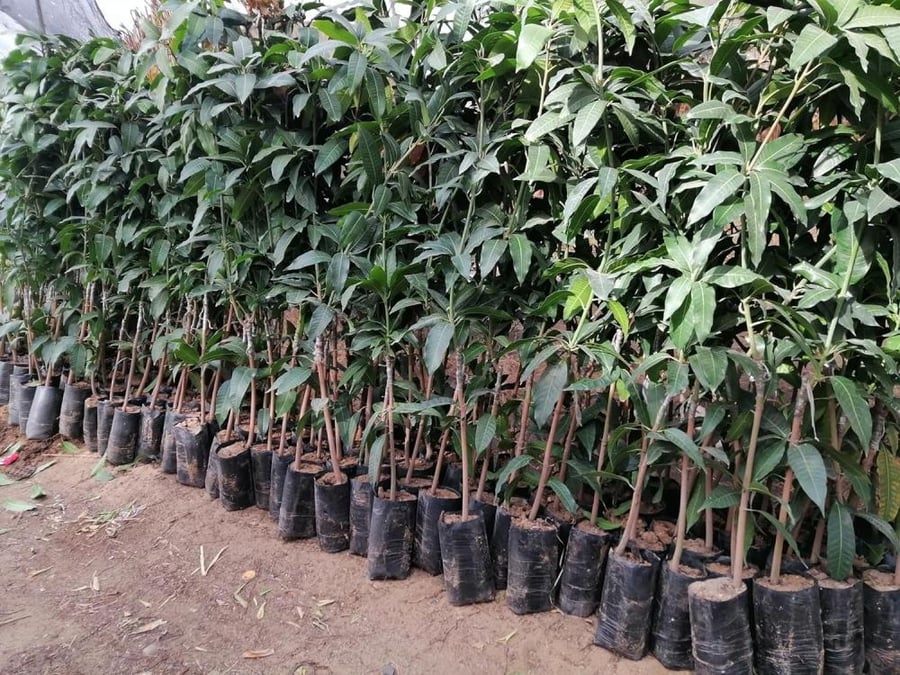
The mango tree is always green, belonging to the genus Mangifera, with leaves described as tender and very thick, of different lengths, their color may be light green or dark green. Through this article, we will learn about information regarding the mango tree.
Information about the mango tree
The mango tree is called the queen of fruits, its varieties are numerous, some have small purple leaves leaning towards red, and when ripe, they turn green. The types of mango trees differ in shape and height depending on the type of soil they are planted in. If planted in fertile and deep soil, they may be tall and short, with a height ranging from 30 to 100 feet, and their trees are spread out and upright.
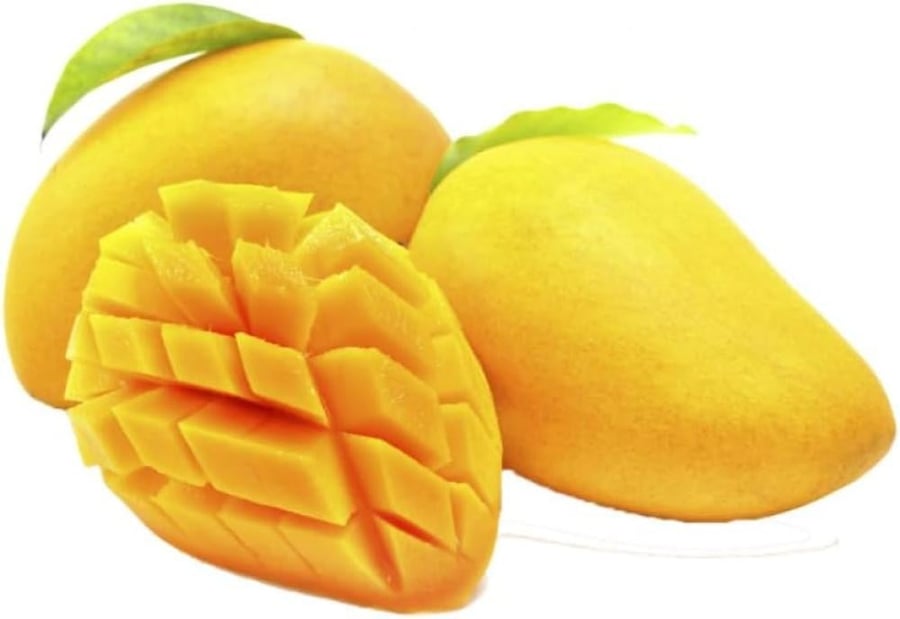
The mango is a type of fruit with a single pit, which can be fibrous or hairy, so mango is called the "Nab," or "Nabaj," because it is difficult to separate the pit from it. It is characterized by its orange color that turns to dark red, then to dark green when ripe.
The colors of mango vary, including red, orange, green, and yellow, depending on the region of growth and distribution, which varies according to climate and environment. Its varieties include Gilan, Bull's Heart, Zil, Lankro, Maya, Yasmine, Alphons, Joli, Sindri, Zubdia, and Timur.
The mango tree is spread across the world, as it benefits the body greatly due to its nutritional materials and vitamins, in addition to its delicious sweet taste loved by people, and its attractive shape.
The origin of the mango tree is in tropical, subtropical, and semi-tropical regions, specifically in India and the areas of the Indian-Chinese Peninsula, but now it is spread worldwide.
Facts about the mango tree
The mango tree is cultivated in tropical, semi-tropical, and subtropical regions.
The height of the mango tree is from 35 to 40 meters.
The original habitat of the mango tree is India and Indo-China.
The mango tree is characterized by its drought tolerance and harsh weather conditions.
The mango tree is found in many countries including Sudan, Egypt, Yemen, Gaza, and southern Saudi Arabia.
The mango tree does not tolerate strong winds, frost, or very cold weather.
Build windbreaks around the trees to protect them from the wind.
The mango tree is used in repairing some pottery in Africa.
The mango tree is used in tanning leather because its bark contains about 15-20% tannin.
Mango is grown from seeds.
The mango tree needs fertile, well-drained, and ventilated soil.
The tree must be watered regularly during summer as it needs plenty of water, but this depends on the months of the year, temperature, and the region's water retention capacity.
Facts about the mango tree — information about the mango tree
Benefits of the mango tree
Mango contains vitamin C, fiber, and pectin, which reduce blood cholesterol levels.
It contains citric acid, malic acid, and lemon acid, which maintain body alkalinity.
It has many different vitamins and nutrients that help with weight loss by creating a feeling of fullness in the stomach.
It contains potassium, which regulates heart rate and blood pressure.
It strengthens the heart and is beneficial.
It protects against sunstroke in summer.
Rich in fiber and nutrients that facilitate digestion.
The mango fruit contains 40% fiber, which protects against irritable bowel syndrome and constipation.
It contains iron, which prevents anemia.
It contains vitamin E, which enhances male sexual desire and balances hormone levels.
It contains antioxidants that fight cancers such as prostate, breast, and colon cancer. It also strengthens nerves.
It has potassium and magnesium, which reduce tension and anxiety and eliminate muscle cramps.
It enhances memory and concentration due to glutamine acid.
It is used as a skin cleanser, giving it vitality and freshness, and prevents acne.
It contains vitamin K and 25 types of carotenoids, which strengthen the immune system and maintain overall health.
It prevents bleeding.
It benefits diabetics.
It strengthens the eyes and solves various problems such as night blindness and dry eyes.
Benefits of the mango tree — information about the mango tree
Nutritional value of the mango tree
Contains 107 calories.
Contains 257 mg of potassium.
1 gram of protein.
24 grams of sugar.
3 grams of fiber.
25% of the daily requirement of vitamin A.
76% of the daily requirement of vitamin C.

From Anak
Questions you might have