Syrian Fig
25ر.س
Product description
Syrian Fig is a deciduous fruit tree valued for its broad foliage and sweet, aromatic fruit. Skin and flesh colors vary among regional selections. Once established, the tree tolerates heat and periods of dryness, making it suitable for Saudi home gardens and farms.
Plant Details
- Name: Syrian Fig
- Scientific name: Ficus carica
- Family: Moraceae
- Type: Deciduous fruit tree
- Placement: Outdoor
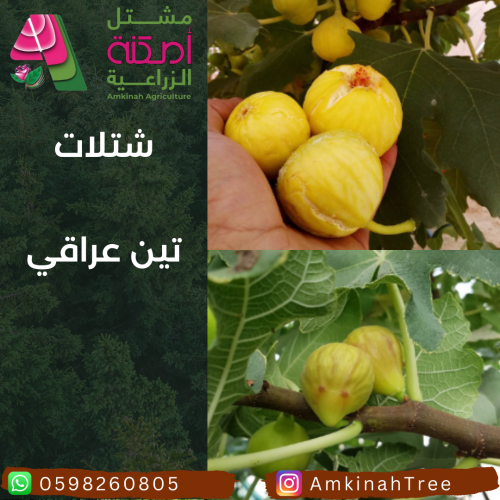
- Fruit color: Green, yellow, brown, or purple, depending on selection and ripeness
- Flesh color: Amber, pink, or red
- Light: Full sun for 6–8 hours daily
- Watering: Moderate and consistent, especially during growth and fruit development
- Soil: Fertile, light, and well-draining
- Growth rate: Moderate to fast
- Mature height: Approximately 3–5 meters; size can be managed through pruning
- Fruiting season: Usually summer; some selections may produce two crops
- Dormancy: Leaves typically fall during winter
- Uses: Home gardens, farms, fruit production, and light shade
Care Tips
- Plant in an open, sunny location for healthy growth and good fruiting.
- Water regularly during the first year until the roots become established.
- Maintain even moisture while the fruit develops, as sudden changes may cause cracking or fruit drop.
- Reduce watering after leaf fall during winter dormancy.
- Avoid saturated soil and standing water around the roots.
- Apply a balanced or fruit-tree fertilizer during the active growing season.
- Prune dry and crossing branches during winter while avoiding excessive cutting.
- Add organic mulch around the tree while keeping it away from the trunk.
Safety
Branches, leaves, and unripe fruit produce a milky sap that may irritate the skin and eyes. Wear gloves when pruning and wash the fruit before eating. Do not consume fruit if the tree was treated with pesticides unsuitable for food crops.
Note
“Syrian Fig” may be used commercially for several regional selections, so fruit size, color, and flavor may differ from the images. Fruit availability depends on season and tree maturity, and the plant may arrive without fruit. Nursery-pot shape and size may vary by batch.