Empty string
39ر.س
Product description
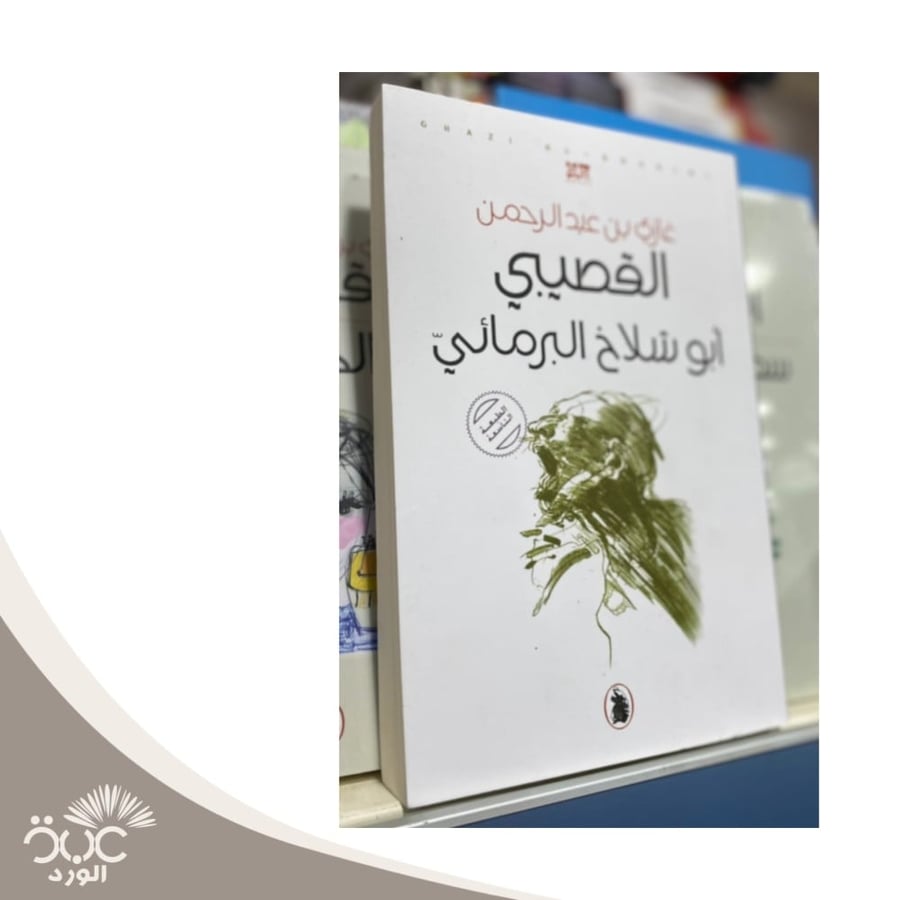
He is always and forever, Al-Qusaiibi, a traveler whose imagination and dialogic ability propel him to the farthest reaches, borders, and times that know no limits. The guide in his journeys is thought—aware of history, geography, meetings, diplomacy, oppressions, and repercussions—above all, Arabs as sciences rooted in a lived reality under the multiple-faced hegemons, their shadows extending from eternity, from the start of history marked by the Hijri, Gregorian, Persian, or Jewish calendar. Al-Qusaiibi moves spontaneously and freely, through monologues and dialogues that interrogate his interlocutor, to speak what stirs inside him of concerns and issues. Abu Shalaakh proceeds in recounting his stories and memories—from the beginnings of his brilliance, then the phase of resilience and defiance, Roosevelt’s deposit, the empire of "Um Saba'a Trading," and the Nasaween in his life—until he reaches his strange journey around the world and his discovery of the various aspects of the moon. The interlocutor, Yaqub Al-Munaddah, famous as Abu Shalaakh the amphibious, travels east, west, north, and south, meeting Hitler, Roosevelt, Eisenhower, Mao Zedong, uncovering secrets of the past, events, incidents, men, and women. As he roams the place, Abu Shalaakh the amphibious also roams through time, passing through the stages of early humans with their means of transportation—stones—up to airplanes, missiles, and the internet. Through him, Al-Qusaiibi confesses all taboos—political, literary, social—because the poet has rights others do not. His characters are symbols, his phrases are symbols, and his symbols are unlike any others. His philosophy of life, livelihood, and reality, all pass lightly through the lines of Al-Qusaiibi, who speaks with biting sarcasm that stirs the core of Arab pain and human pain sometimes, to burst out with smiles and laughter at other times. Why not? For Al-Qusaiibi laughs with a tortured laugh from pain. Abu Shalaakh the amphibious—Gazi Abdulrahman Al-Qusaiibi.
