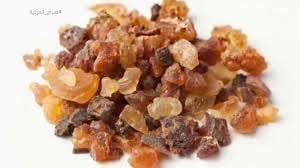
First class natural
30ر.س
Product description
Myrrh plant myrrh resin is the aromatic gum or resin that oozes from the stems and branches of more than 150 species in the genus of fragrant plants. These species, which are rare today, are spread across East Africa and the Arabian Peninsula, including Ethiopia, Eritrea, Yemen, and Somalia. The myrrh plant, which is considered the most common source of myrrh, grew abundantly in this region. Like other desert species worldwide, the plants are leafless most of the year. The yellowish-red resin (gum) oozes from the stem, either naturally or from wounds caused artificially. It has a sweet taste and a fragrant smell. In Africa, about 50 species of myrrh produce oleoresins, which are often mixed with other substances. Oleoresins are semi-solid extracts composed of gum and essential or fatty oils, obtained by vaporizing the materials used in their production. Oleoresins are also prepared from spices such as basil, sweet pepper, cardamom, celery seeds, cinnamon bark, clove buds, fenugreek, pine balsam, ginger, jamb, frankincense, scepter, marjoram, nutmeg, parsley, pepper (black/white), pimenta (spices), rosemary, sage, savory (summer/winter), thyme, turmeric, vanilla, and West Indian bay leaves. Myrrh was a highly valued and very expensive plant. In India and Tibet, it is mentioned that myrrh was used as an herbal medicine. Myrrh was the royal perfume of the Parthian Empire, which included modern Iran, Iraq, and neighboring lands. Ancient Egyptian papyri from 2000 BC mention that myrrh was used for embalming the dead. Burning myrrh was a common method to prevent the spread of fleas and foul odors. In ancient Rome, the price of myrrh was five times that of frankincense (fragrant plant). Herodotus mentions the use of myrrh as a disinfectant, incense, and medicine in Greece during the fifth century BC. Myrrh was burned in funeral pyres to mask the smell. In traditional Chinese medicine, the myrrh plant was imported from the Persian region via the Silk Road, and it is believed to be beneficial in improving circulation, treating arthritis, rheumatism, and uterine disorders. The Talmud describes the following incense recipe: seventy maneh (unit of measurement = approximately 500 grams) of balsam, ambrosia, galbanum, and frankincense; sixteen maneh of myrrh, cassia, spikenard, and saffron; twelve ribs (20 grams) of three aromatic peels, nine cinnamon, nine. It also states that if Cypriot wine is unavailable, old white wine can be used instead. Then, Sodom salt and a herb are added to increase the smoke of the incense in precise amounts. The Bible contains three prominent references to myrrh. The first is when the three kings brought gifts of gold, frankincense, and myrrh to the infant Jesus shortly after his birth. The second is when Mark noticed that Jesus was offered wine mixed with myrrh to ease his suffering on the cross, but Jesus refused to take it. The third reference is when John said that Nicodemus brought a mixture of myrrh and aloe weighing seventy-five pounds to anoint Jesus' body before placing it in the tomb. Biblical verses describe the use of myrrh as a fragrant incense: "I arose to open to my beloved; and my hands dropped with myrrh, and my fingers with the fragrant myrrh, upon the handles of the lock" (Song of Songs 5:5). The Book of Psalms (45:8) states: "All your garments smell of myrrh." Such references, like those in Song of Songs, have various interpretations by religious scholars and scientists. Some see these references as sincere, while others describe the aromatic properties of the herb. Some Christian denominations still use myrrh in religious ceremonies.
