Microphone noise-canceling
40.68ر.س
49.6ر.س-18%Product description
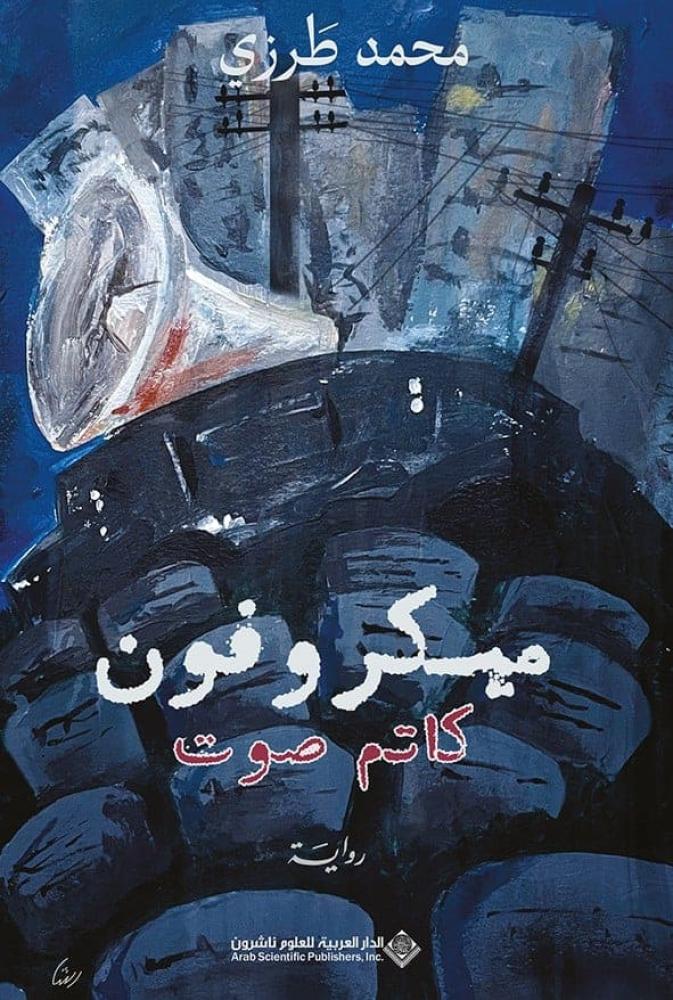
Unless it occurred to the people of literature and their followers; it occurred to Muhammad Tarzi; yes. The pen of the son of the city of Tyre settled this time in front of the graves' inhabitants, but those alive among them, who live on the edge of graves, the marginal, the exhausted, who have no profession but mourning the dead, digging graves, and chasing their daily bread, and if they dream of salvation from this dead land, their dream will be nothing but a mirage blown by the wind. And as Ghada Al-Samman once said, "Our homeland is a cemetery with microphones, not suitable for anything but death, memorials, canonization of the immortal, glorification of the divine, and hatred of the remaining." Muhammad Tarzi says in this novel a story of a homeland afflicted with microphones resembling the colors of their parties and sects. Microphones that besiege the people with hymns, speeches, and false victories. They are of a special kind, their loud voices silence the mouths, and they pledge loyalty to the leader, leaving the rest of the people either loyal or revolutionary. Through a burning black comedy and realistic observation of what has become of the Lebanese today, Muhammad Tarzi writes in "Mute Microphone" with an omniscient narrator about the state of total collapse passing through his homeland, focusing on his hero "Sultan" and his future; and through him, on the social segment he represents—opponents and critics of the authority and its victims. These are met by a segment of the influential, power-worshippers, and those bloated from stealing public money; monopolists of medicine, electricity, and food. Amid this rotten world, "Sultan," the hero of this story, lives with his family on the edge of the cemetery, helping grave diggers and guiding the living to their dead loved ones’ graves, waiting for a chance that will never come. He studied accounting but couldn’t secure a job, and when love knocked on his door, it became an illusion and a memory. When he and his comrades revolted against injustice, they were accused of treason and conspiracy against the homeland. Like any young man, he had dreams outside the cemetery walls—dreams of becoming a writer, traveling, and a different future. But in a country ruled by the forces of the status quo, fate has a different opinion... With this discourse, Muhammad Tarzi approaches an area that Arabic novels have not touched since the socialist realism movement, giving attention to margins that deserve consideration and treatment. From here, we understand the intellectual orientations that shape novelist Muhammad Tarzi and lie behind the creation of a narrative where the story is based on a fundamental meaning: the human being’s lack of feeling of existence in the place of birth, if the conditions for realizing his humanity are absent.

From Mecca