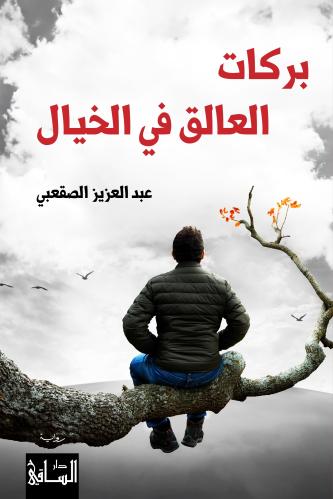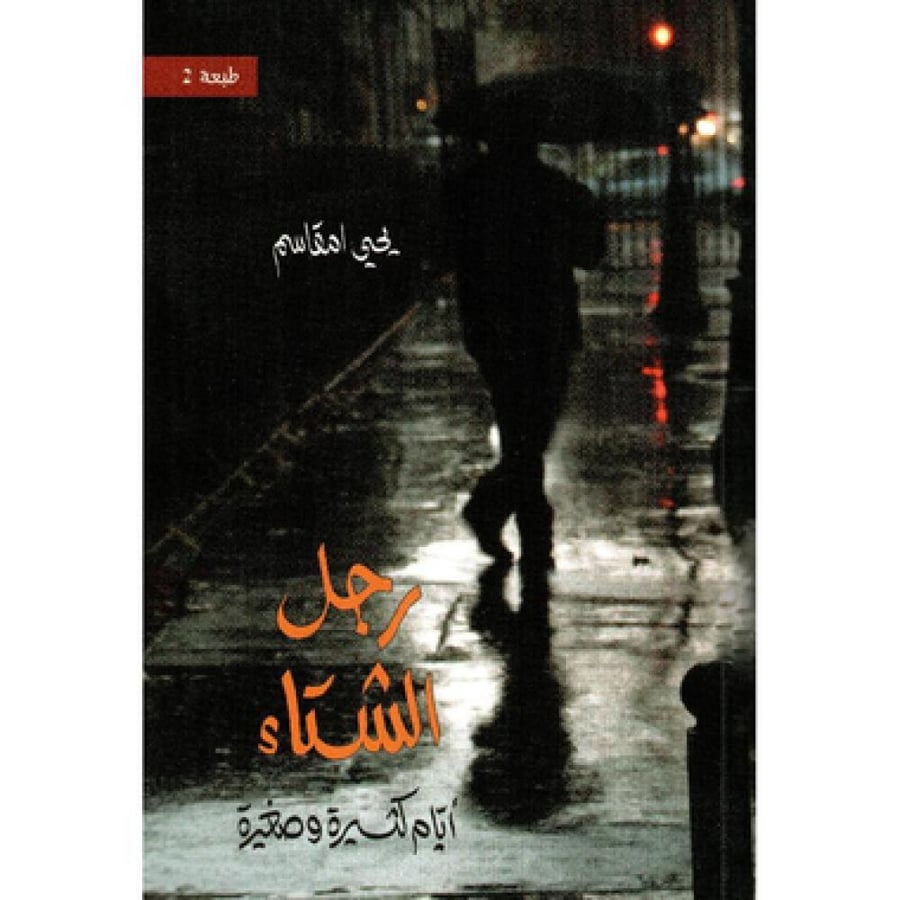

Winter man
36.40ر.س
52ر.س-30%Product description
A novel in which identity becomes complicated to reveal itself through futility, its first meeting promising and its last a long silence.. "The Ego and the Other" are intertwined in the language of human love, the aesthetics of necessary loss, and through a narrative perspective characterized by: "ambiguity and possibility." Figuratively, the novel equates Paris with a French girl, reading the expansion of space and the condition of belonging. In a circular time, the novel examines the reality of an Arab in this city, recalling its eras and its response to change and the extremities of modernity, and its multiple forms that are veiled in another history. The novelist borrowed the tragedy of existence from Naguib Mahfouz and the working of language from Edwar Al Kharrat, and the longing for time from Gamal Ghitani, and the alienation of the Arab human from Abdulrahman Munif. He combined what he wanted to transcend in a multi-level text, with language as the creator of existence and what can exist. Here, the writing style is characterized by the use of verbs: the ego in the present tense, without past tense.. and the "forecasting" form is the attribute of the work; writing as what will be, and the language of the marginal, the language of "the remaining," and the remaining is nothing but a victory for a robbed heart. A different narrative proposal with three components: the time that "consumes" things; leaving behind awareness that troubles memory, and the awareness of the soul with the dominance of time that makes human life a continuous past, and a complex language aiming to "fix" the fleeting moment. How does the fictional narrative transform into a language that bridges the gap between the permissible and the forbidden? And how does the "linguistic imagination" become a method questioning the "comprehensive truth"?.. Here, the difficulties of renewal and the creation of a unique methodology by the writer in this novel become apparent. Conscious reading of the text is inseparable from the effort of achievement, and the obsessive writing with willpower, as Yahiya Maqasem, seeks a "patient" reader, for this is a work that does not deserve an Arab reader accustomed to writing in a vertical manner that disregards the horizontal, and such experimentation carries astonishing revelations.

From Mecca
Questions you might have