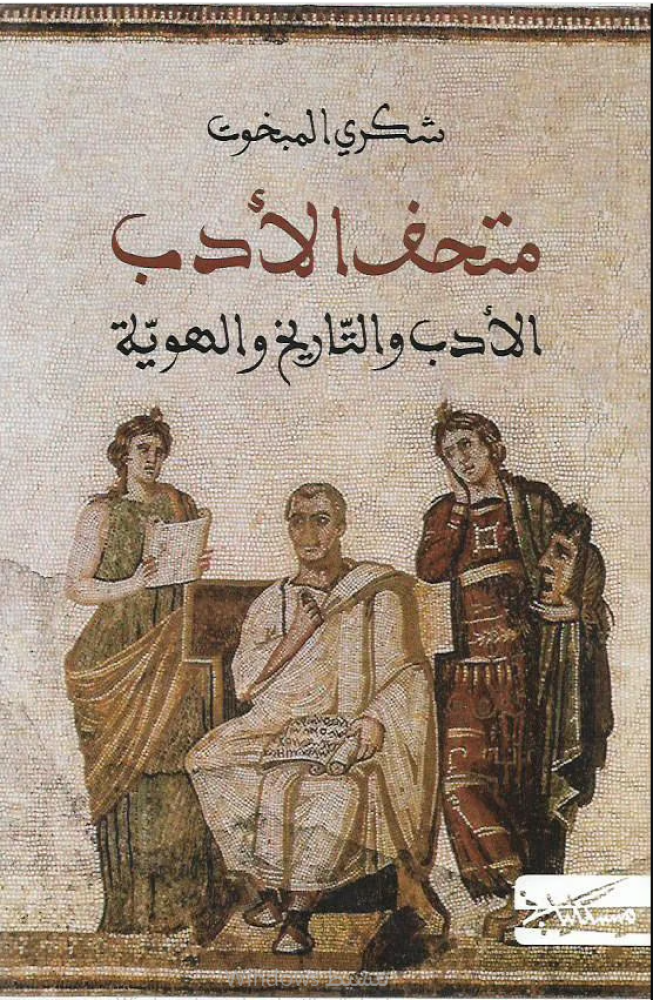
Literature Museum
51.52ر.س
73.6ر.س-30%Product description
According to the manners of its museums, and its museums are books of the history of literature. So the one who reflects on these books sees clearly a collection of intellectual, literary, and cultural artifacts represented in various forms of discourses all revolving around the concept of literature. And in this book, there is a look at what researchers have created from books that shaped the story of Tunisian literature in its two aspects: the realistic historical and the imaginary mental. And the transition from "Arabic literature" in general to "Tunisian literature" is not just a transition from a whole to a part, but rather a change in the research agenda leading to a radical shift from the centers of Arabic literature to what was considered its margins, and what that raises of issues and problems when each Arab country focuses on writing its literary history. And this is what the author expects for all countries that speak the language today, in addition to the Egyptian and Levantine renaissance centers, when they change the perspective for researching their literary history. The history of literature is a national practice par excellence that investigates the "talents of peoples" and their "genius," based on creating the national narrative and defining its boundaries, and pointing to its symbolic coordinates on the cultural literary map. Why this book? Deep understanding of Tunisian literature: The book provides a comprehensive study of the history of Tunisian literature within the broader context of Arab literature, contributing to enhancing your understanding of cultural identity. A new critical perspective: The book reveals a critical and analytical view of the history of literature, illustrating how it is influenced by cultural, political, and social forces in the region. Enriching literary knowledge: The author offers insightful visions on how cultural and national identity influence the shaping of literature, enriching your literary background and deepening your knowledge of Arab literature. Appreciation of cultural diversity: The book strengthens our awareness of the importance of diversity within literary cultures in the Arab world, showing how these diversities affect the overall Arab identity. A controversial historical perspective: It highlights how centers and margins of Arab literature are viewed and how literary history is redefined through new and innovative methods.

From Mecca
Questions you might have