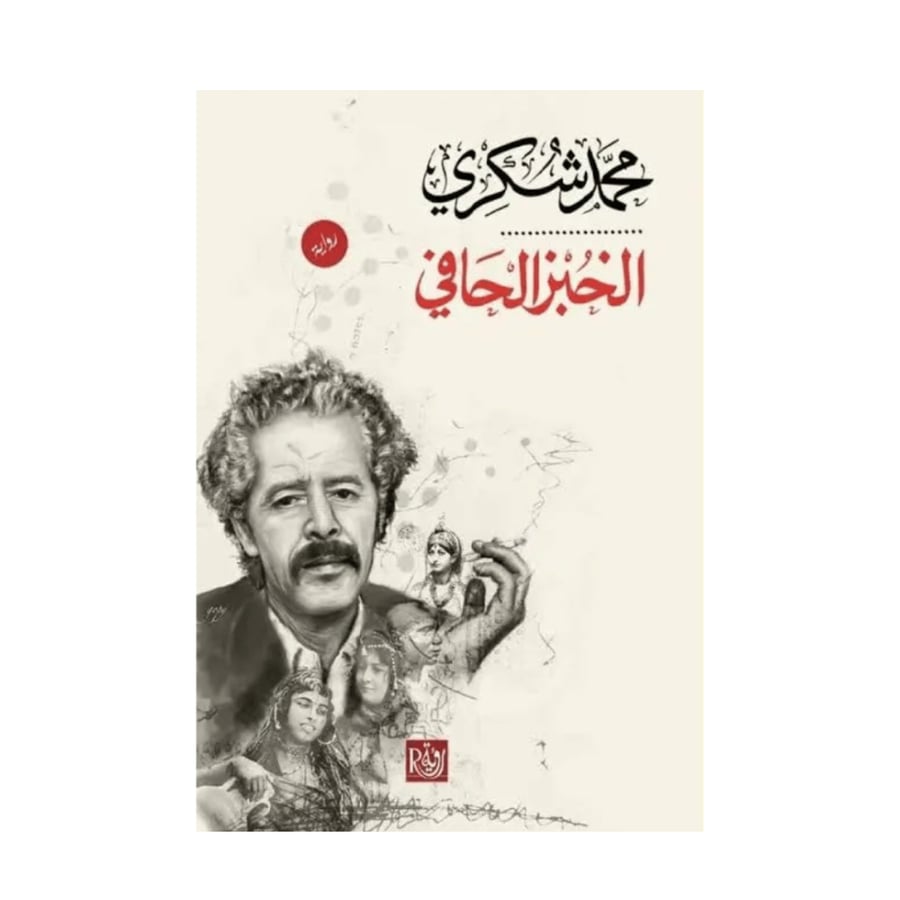
The barefoot bread - Mohamed Choukri
43.34ر.س
Product description
The novel tells the tragedy of a person whose circumstances refused him except to remain in the darkness of illiteracy until he reached the age of twenty, so his youth was a drift into a world of misery where violence alone was the daily strength of the displaced, and this was in a crushed environment subjected to colonialism and its resulting spread of poverty, hunger, ignorance, and epidemics, where eating from trash and superstitious rituals like the incident of drinking blood for healing took place. The mother of the hero of the novel resorted to "fortune-tellers" and lit candles on the graves of saints to get closer to God so that her husband would come out. His mother was forced to sell vegetables and fruits in the city markets while Shukri fed on the trash of wealthy Christian Europeans, not the poor Muslim Moroccan trash, as he claimed. The boy coexisted through this with morally deviant individuals and groups. The hero grew up in a family where the father's role was oppressive and harsh, indulging in snuff and cursing God. The violence in which the son was raised leads to his spiritual, moral, and ethical destruction, and makes him passively reject the traditional family system, where the father is at the top. The writer seeks to destroy the symbolic status of the father and break his authority, which is the cause of his misery, as he felt dissatisfied with his mother's laughter with his father. "Damn all fathers if they are like my father," "I hate people who resemble my father." His intense hatred for his father pushed him to replace his masculine community with a feminist one and developed in him a tendency toward violence and revenge. "In my imagination, I don't remember how many times I killed him." When his father was beaten in front of him, this scene was a consolation for him. Publisher: Dar Ru'ya. Number of pages: 274. Cover type: hardcover.

From Jeddah
Questions you might have