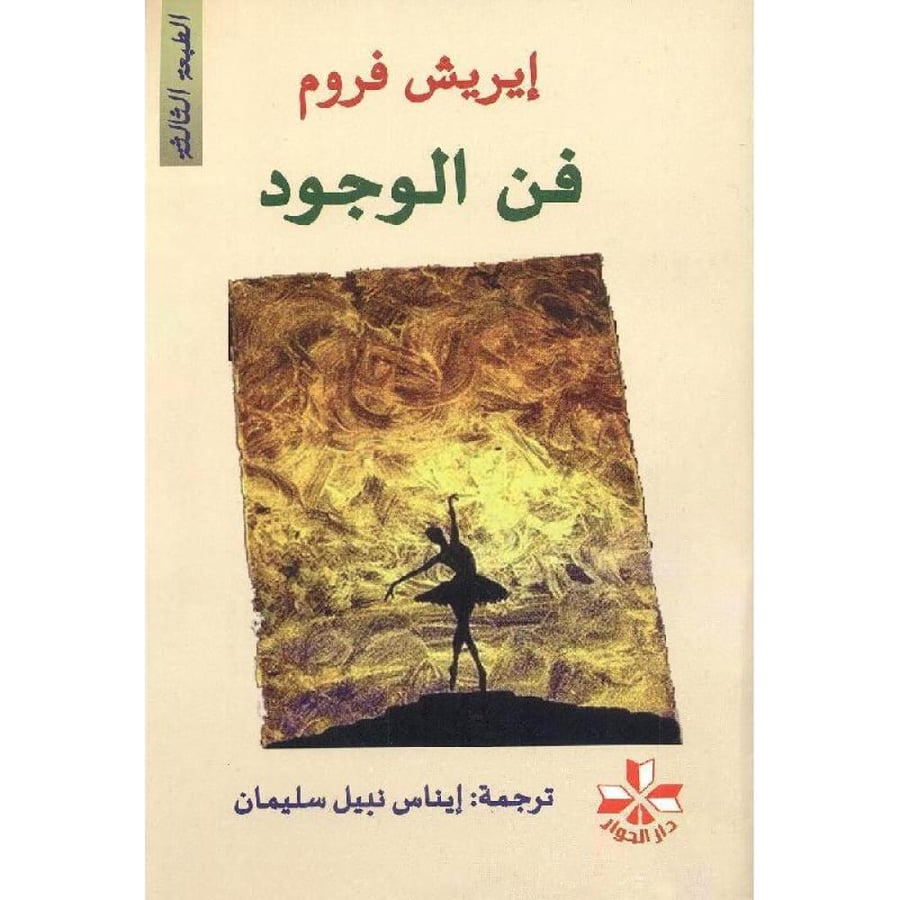
The art of existence
23ر.س
46ر.س-50%Product description
The Publishing House Al-Hewar
Author Name: Irish Froms
Publication Year: 2017
Number of Pages: 192
About the Book:
It is true that all living beings, whether animals or humans, desire life, and this desire only ceases under exceptional, unnatural circumstances, such as when a person is overwhelmed by unbearable pain, or when overwhelming feelings like love, hatred, pride, and loyalty sweep over them, as these feelings can be stronger than the human desire to live itself.
It seems that nature, or you could say the process of selection, has endowed every living being with the desire to live, and whatever reasons they believe are behind their desire to live, these are just attempts to rationalize that biological and instinctive drive that nature has given them.
The two truths that do not need explanation are: "We desire to live" and "We love to live life," but the questions that need answers are: "How do we want to live?" "What do we seek from life?" "What makes life meaningful to us?"
People give different answers to these questions, which are somewhat similar; some will say they desire love, others openly say they desire power, some talk about their desire for security, and others mention seeking sensory pleasures and comfort, while some desire fame. However, many agree that what they want is "happiness," and this is also what most philosophers and religious scholars have stated, saying it is the goal humans strive for.
But if happiness includes the various previous meanings, which are considered largely exclusive, then it becomes abstract and thus loses its value. The real importance lies in studying the meaning of the word "happiness" as seen by the ordinary person or the philosopher.
In the first part of this book, I tried to explain the nature of states of possession and existence, and the consequences of the dominance of either state over human happiness. I concluded that pure humanization requires overcoming the tendency of possession in favor of action, and selfishness and the ego in favor of participation and others.
As for the second part of the book, I presented some practical suggestions regarding steps that might be beneficial, such as preparing to make efforts toward humanization.

From Riyadh