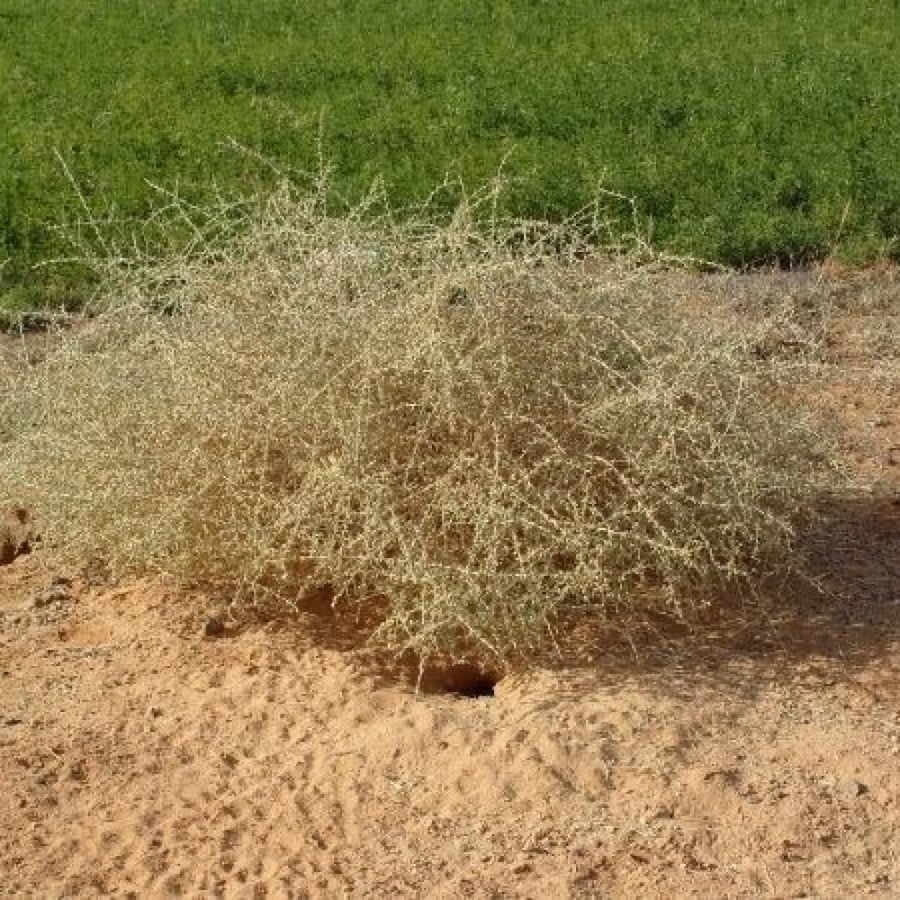
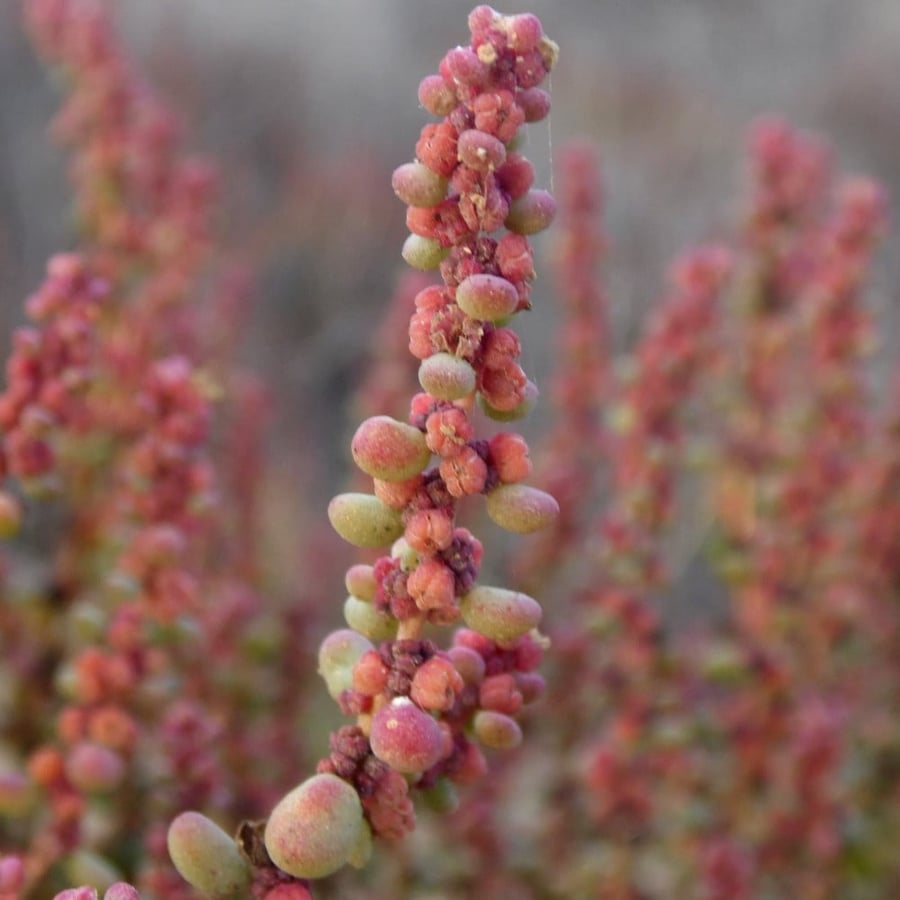
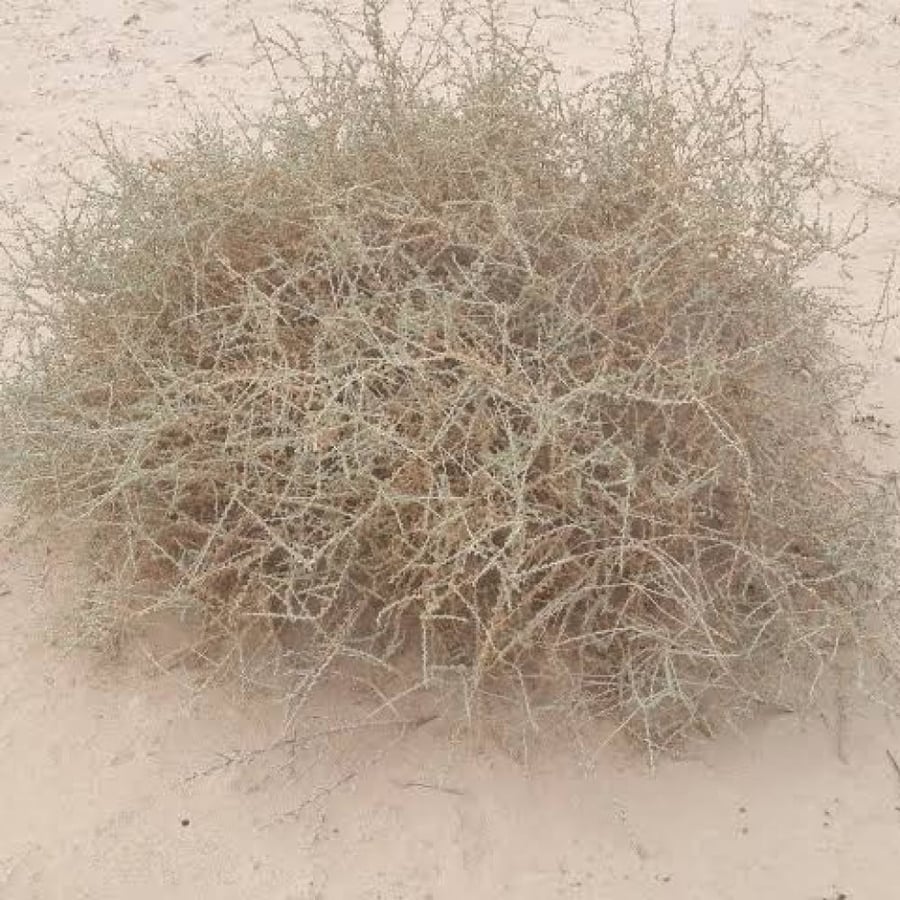

Seeds of the plant Al-Dhamran (Traganum nudatum)
6ر.س
Product description
Common name: Al-Dhamran
Scientific name: Traganum nudatum
Also known as: Thar or Athar or Wali or Khurith
The plant Al-Dhamran belongs to the Chenopodiaceae family, sometimes reaching a length of two meters. It is a shrub with flexible, tangled stems, evergreen leaves, and fast growth.
• Flower of the Al-Dhamran plant: Its small yellow flowers bloom in spring.
• Seeds of the Al-Dhamran plant: Their small, round seeds are dark brown in color.
• Growing season for the Al-Dhamran plant: It is planted in late winter and spring, and can also be cultivated year-round in agricultural reserves and enclosed or plastic-covered areas where temperature can be controlled, sunlight reaches, or adequate lighting is available.
• Suitable climate and soil for the Al-Dhamran plant: It tolerates drought, high temperatures, and cold, and can live in desert areas. It grows in fertile, well-drained, ventilated soils, resistant to frost, and is watered regularly.
• Method of cultivating the Al-Dhamran plant: It is grown from seeds planted at a depth of 1 cm to 2 cm from the soil surface. It can be fertilized with organic fertilizer at least once. The seeds need moisture during germination, but after growth, they do not require much water. It is not recommended to plant in highly saline soil, and it should not be irrigated with highly saline water. It is advised to plant fresh seeds.
• Its benefits and uses: Al-Dhamran is one of the medicinal herbs used as a traditional remedy, with effectiveness as an antibacterial and antioxidant.
• Original habitat of the Al-Dhamran plant: Arabian Peninsula, also found in the Levant, Egypt, and the Maghreb.

From Buraydah