


Local basil seeds
5ر.س
Product description
Common name: Basil
Scientific name: Ocimum basilicum
Also known as: Habi - Rawaaz - Mshmoum leaves - Basil of Hammam - Padrug
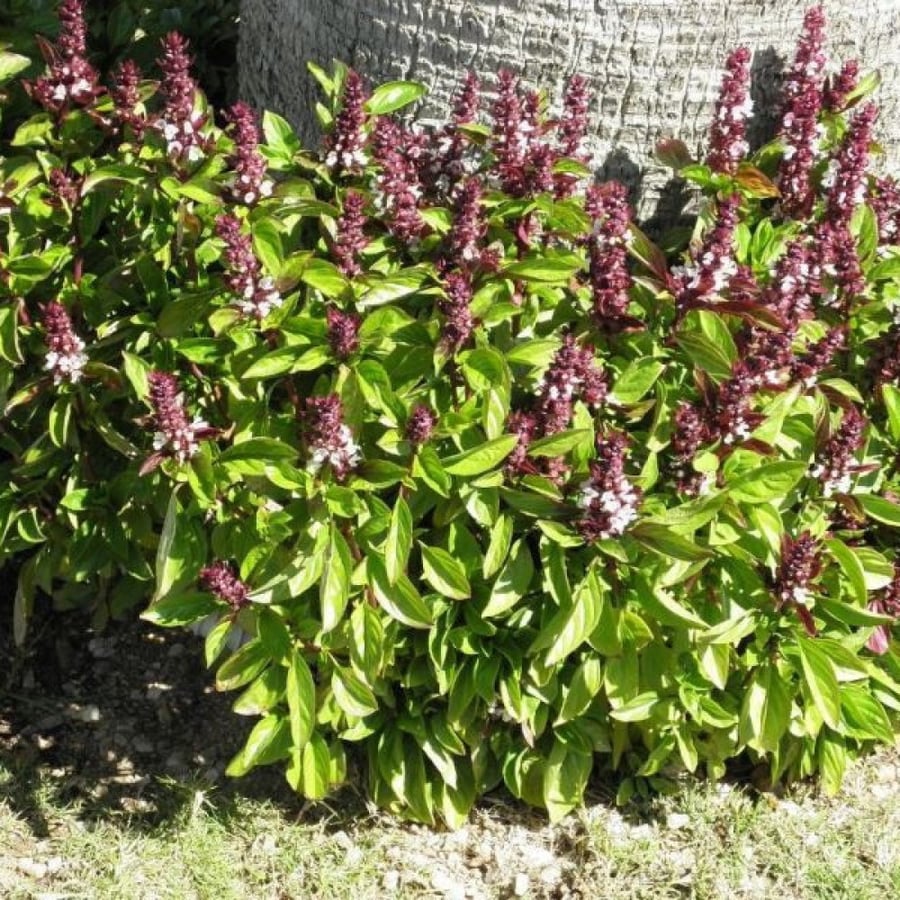
Basil is an annual herbaceous plant that can have a long growing period in areas with mild winters. The height of basil reaches between 50-100 cm, and its width is about 50 cm. Its leaves are round and aromatic with a strong scent, usually bright green, but there is another attractive variety with dark red to purple tinged leaves called Burbresence.
Basil flower: Its flowers at the beginning of growth are white, then turn to a shade closer to purple, and have a fragrant scent. It blooms during the summer season.
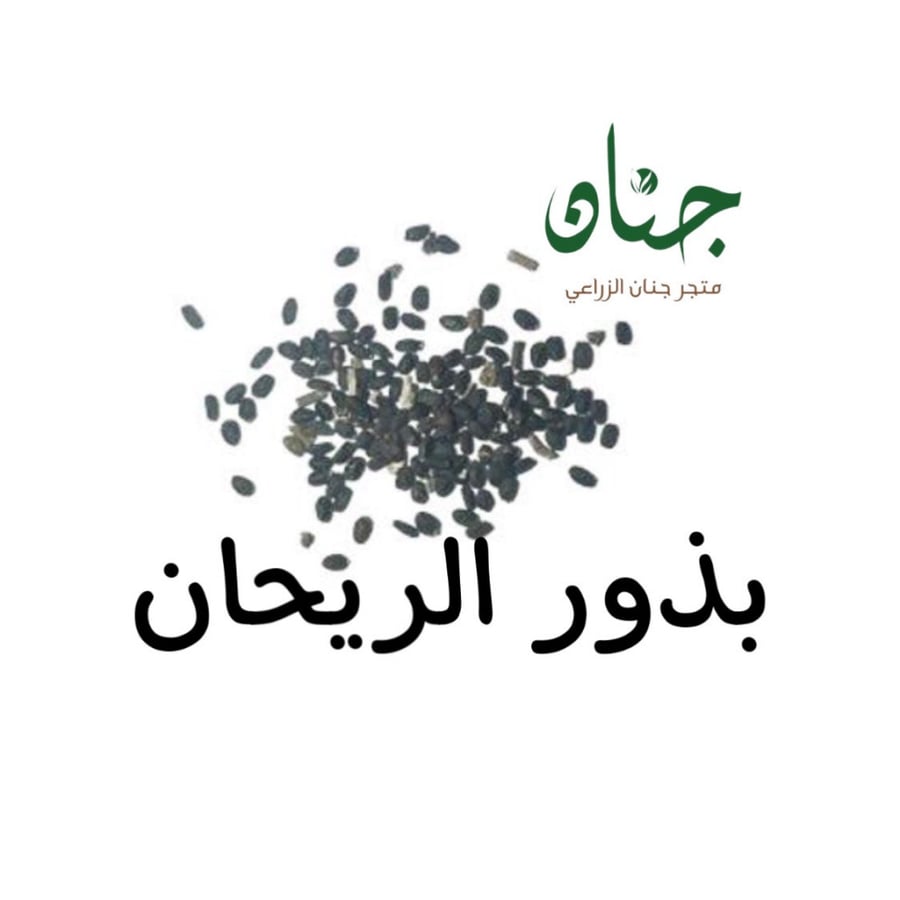
Basil seeds: They are small, about 0.2 cm, and black in color.
Basil germination season: Basil is planted in mid-spring, and it can also be cultivated year-round in protected agricultural environments, enclosed or plastic places where temperature can be controlled, and where it receives sunlight or adequate lighting for the plant.
Suitable climate and soil for basil cultivation: Basil prefers to grow in soil exposed to sunlight for long periods. Additionally, the soil pH (acidity) should be between 6 and 6.5, which is suitable for most vegetables. It also grows in moist, low-salinity soil, and should be watered regularly.
Basil cultivation method: Ensure the end of the frost wave before planting seeds directly in the soil at a depth not exceeding 1 cm. After five to seven days, the seeds will sprout. Once the delicate seedlings develop three or four leaves, they should be separated with a distance of approximately 15 to 30 cm by removing excess seeds. It can also be fertilized with organic fertilizer at least once.
Its benefits and uses: It is cultivated for decoration as it is a flowering plant with a fragrant scent. Its leaves are used as a flavoring in Eastern dishes.
Original habitat of basil: It is believed that basil originates from India or Africa.

From Buraydah