

Rosemary seeds (Rosmarinus officinalis)
9ر.س
Out of Stock
Product description
Common name: Rosemary
Scientific name: Rosmarinus officinalis
Other names: Mary’s flower
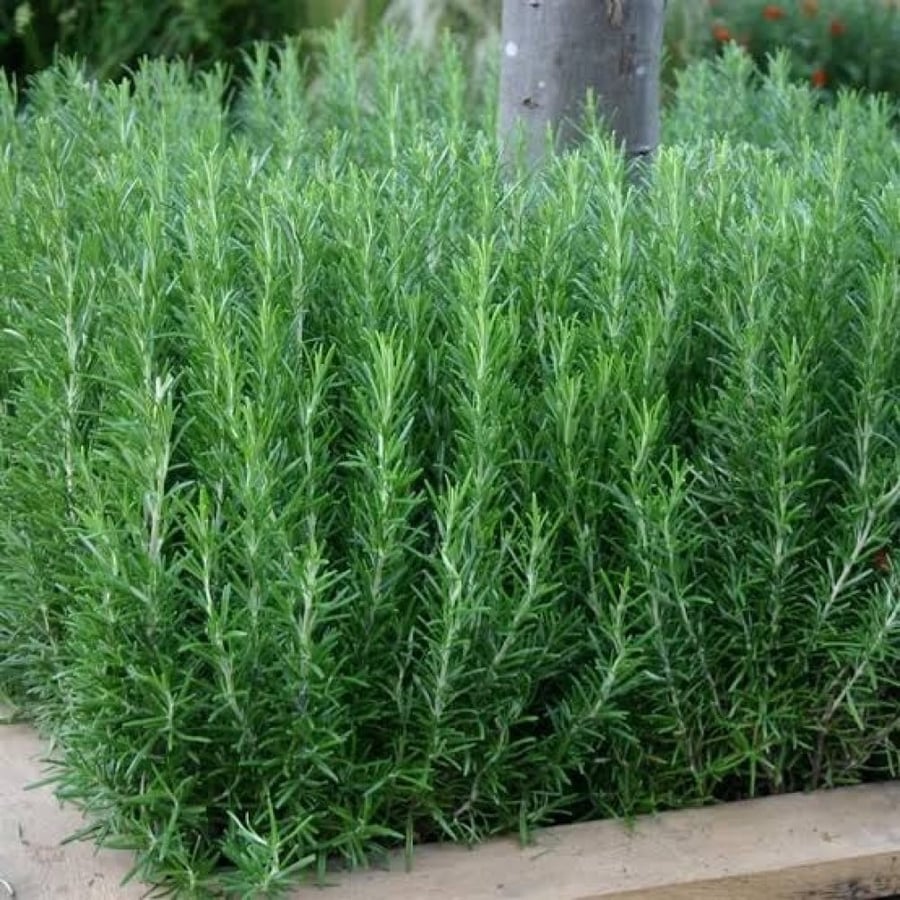
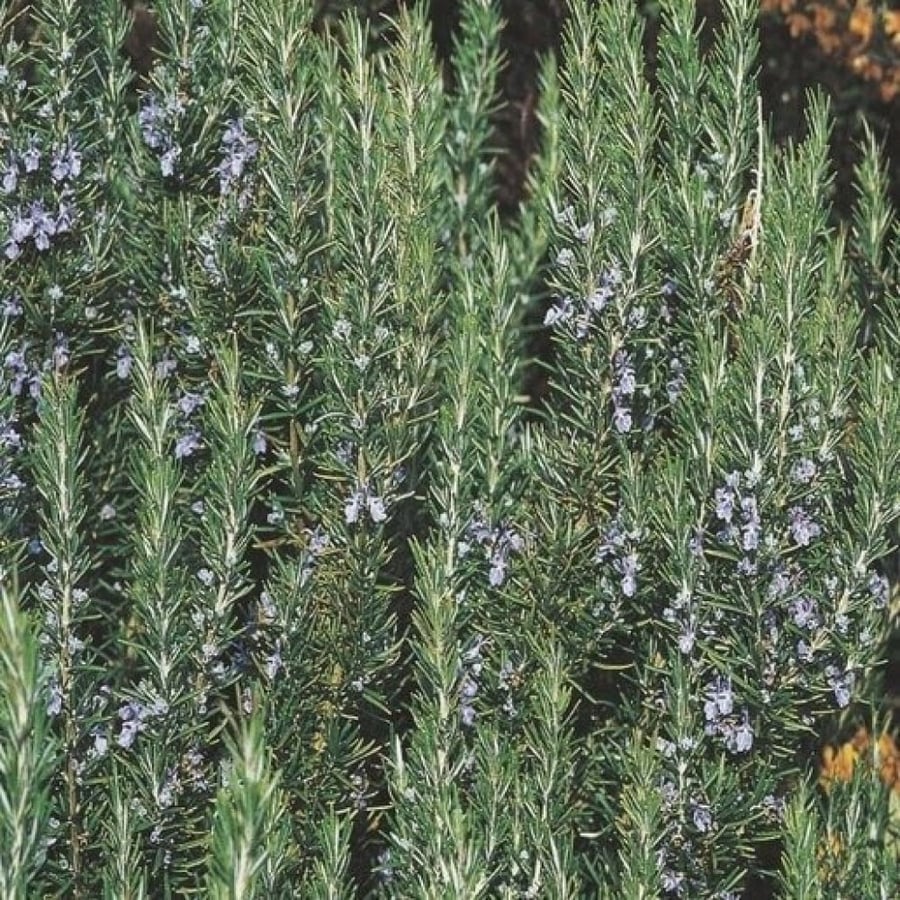
Rosemary is from plants of temperate regions, it usually grows near coasts, and it is a dwarf evergreen shrub that grows up to 1.5 to 5.0 meters tall. Its shape is usually round, oval, or irregular, and the leaves are straight, thread-like, dark green. This plant is suitable for sunny locations where it emits a strong scent from its leaves, and it is an herb with a good taste.
• Rosemary flower: Light blue flowers appear at the beginning of spring, about 1 cm in size, borne on branches in a cluster-like inflorescence, blooming from March to May.
• Rosemary fruit and seeds: The fruit is the seeds, which are small brown capsules, about 0.2 cm in size.
• Rosemary propagation season: It is preferred to plant rosemary in mid-winter, and it can be planted outdoors in mid-spring, 10 to 12 weeks before the last frost. It can also be cultivated year-round in protected agricultural environments, enclosed or plastic places where temperature can be controlled, and where the plant receives sufficient sunlight or lighting.
• Suitable climate and soil for rosemary cultivation: The plant requires moderate watering with low salinity. It prefers semi-humid sites and is frost-resistant. It needs fertile clay soil and sunlight.
• How to plant rosemary: Rosemary is propagated by seeds planted at a depth of 1 cm from the soil surface. It can also be fertilized with organic fertilizer at least once during flowering.
• Benefits and uses of rosemary: Rosemary is used as an ornamental plant and also has insect-repelling effects. Its leaves are widely used in Italian cuisine, added as a flavoring in many dishes, and used for roasting meats. It is also consumed as a hot beverage, believed to relieve headaches. Its oil is used for body massage, and it is included in shampoo and air fresheners.
• Native habitat: Its original habitat is the Mediterranean region and Asia.

From Buraydah