



Lobelia flower seeds
8ر.س
Out of Stock
Product description
Common name: Lobelia flower
Scientific name: Lobelia erinus
Also known as: Indian tobacco
A perennial herbaceous plant, either climbing or creeping, reaching a height of up to 20 cm. The leaves are light green, ovate in shape, 10 mm long, 4-8 mm wide, with serrated edges.
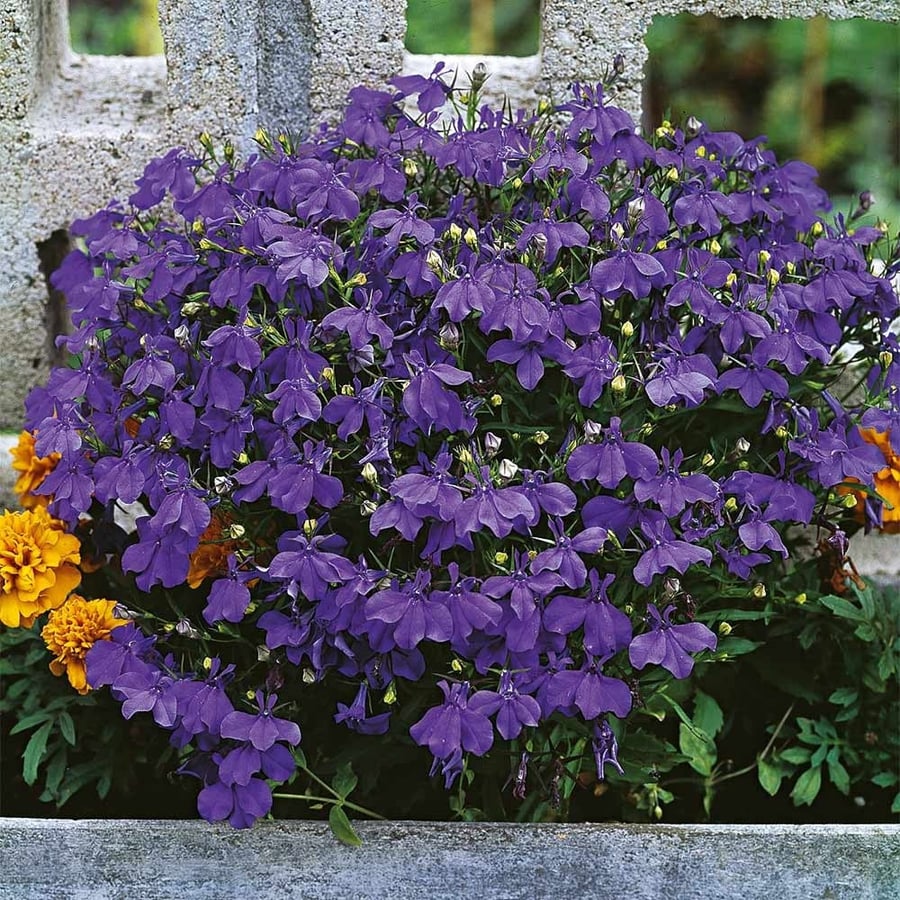
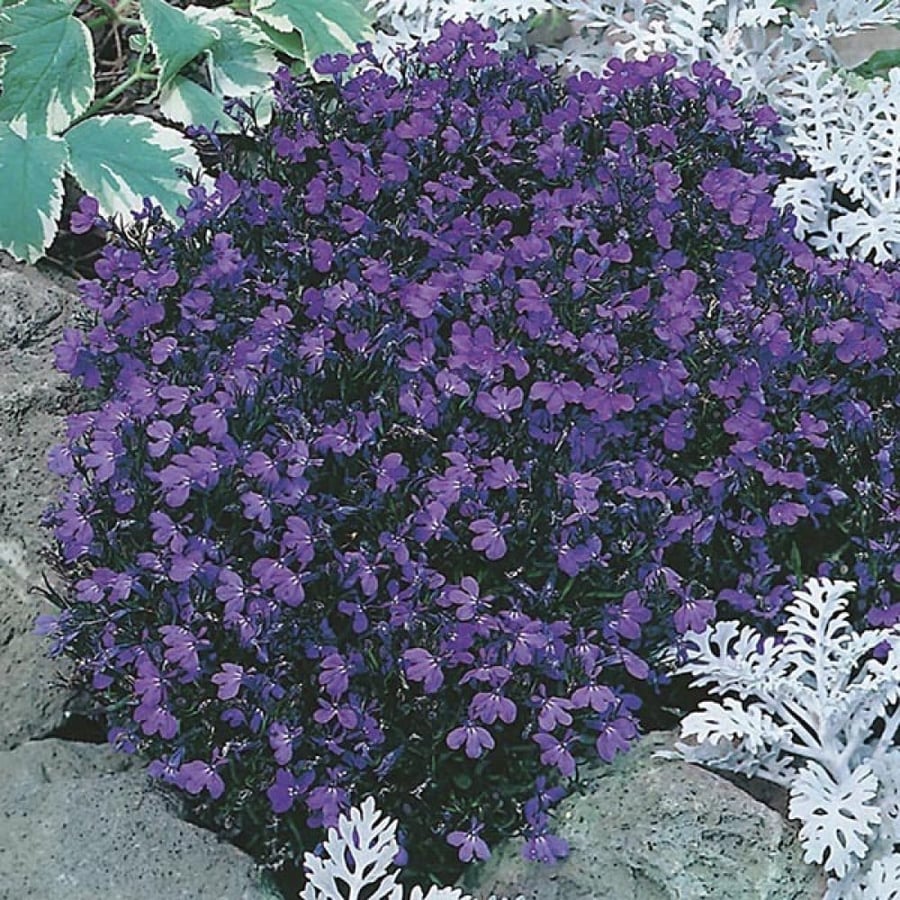
Lobelia flower: The flower is tubular, ending with petals in three to five broad lobes, and its color varies depending on the variety between shades of blue, sometimes white, carried in open cluster inflorescences.
Lobelia seed: Its fruit is a capsule up to 1 cm in diameter, containing very small seeds like grains of sand, brown in color.
Propagation season: Lobelia is planted from mid-February to the end of March, although experienced gardeners recommend doing so in the first half of March. It can also be cultivated year-round in protected agricultural environments, enclosed or plastic places where temperature can be controlled, sunlight reaches the plant, or adequate lighting is available.
Suitable climate and soil for lobelia cultivation: The plant needs direct sunlight and fertile, well-drained soil. It also requires abundant watering in winter, but care should be taken to avoid waterlogging. It can withstand low temperatures.
Method of planting lobelia: It propagates through very tiny seeds, so it is preferred to mix them with sand and evenly spread on the soil. It needs watering twice during the peak of summer, with soil turning to provide necessary aeration. When it starts to grow, water it by pouring into a basin, avoiding strong spraying of water, as this can cause branches to bend or break. If it suffers from a pest, stop watering immediately until it dries, then add potassium to the soil surface before resuming watering.
Benefits and uses: Lobelia is famous as a favorite garden plant for its long flowering period. It is used in landscaping as a ground cover and for border planting. There are climbing or trailing varieties of lobelia, suitable for planting in decorative baskets, flower pots, and on walls.
Original habitat: South Africa

From Buraydah