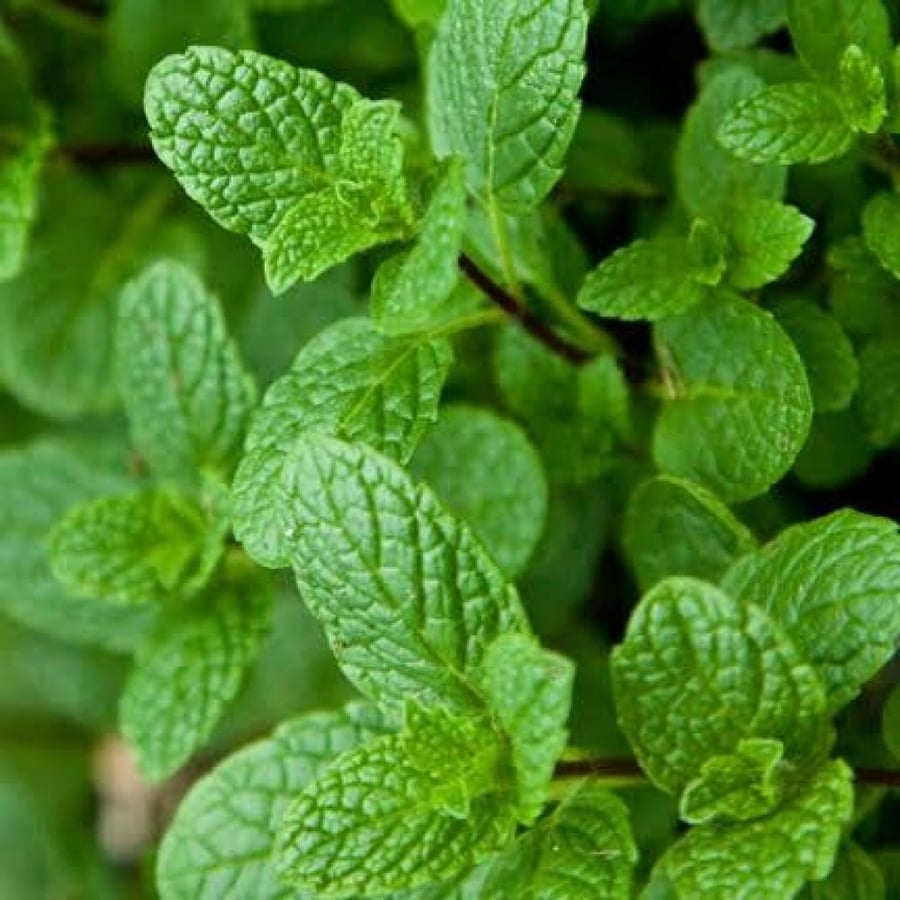


Local mint seeds
9ر.س
Out of Stock
Product description
Common name: Local Mint
Scientific name: Mentha
Among its names: Naanan (Mint)
A fragrant, perennial plant belonging to the Lamiaceae family from the Lamiales order, with branched, upright stems and leaves arranged in opposite pairs, ovate in shape with serrated edges, dark green in color. It is a repellent of ants and flies due to its strong, distinctive scent.
Local mint flowers: Its flowers are white to purple in color, blooming in spring.
Local mint seeds: Their seeds are very tiny, smaller than grains of sand, with approximately 5000 seeds per gram, and are brownish-black in color.
Planting season: Local mint seeds are planted in spring and autumn if the climate is frost-free, preferably from the first half of February until the end of March.
Suitable climate and soil for growing local mint: The planting site should have good sunlight, especially in the morning hours. It should be planted in fertile soil with a pH level between 6.0 and 7.0. A little fertilizer can be added every few weeks. The soil must be moist and watered regularly.
Method of cultivating local mint: It reproduces by seeds or by dividing the plant. For direct planting in the ground, since mint seeds are very tiny, it is better to mix 0.5 grams of seeds with 50 grams of sand to facilitate seed distribution.
Its benefits and uses: Local mint is used in tea, salads, appetizers, and many types of dishes in most cultures around the world. It also has multiple health benefits.
Original homeland: Levant countries, Egypt, the Maghreb, and Europe.

From Buraydah