


Yellow Jacaranda seeds - Abu Al-Makarem
54ر.س
Out of Stock
Product description
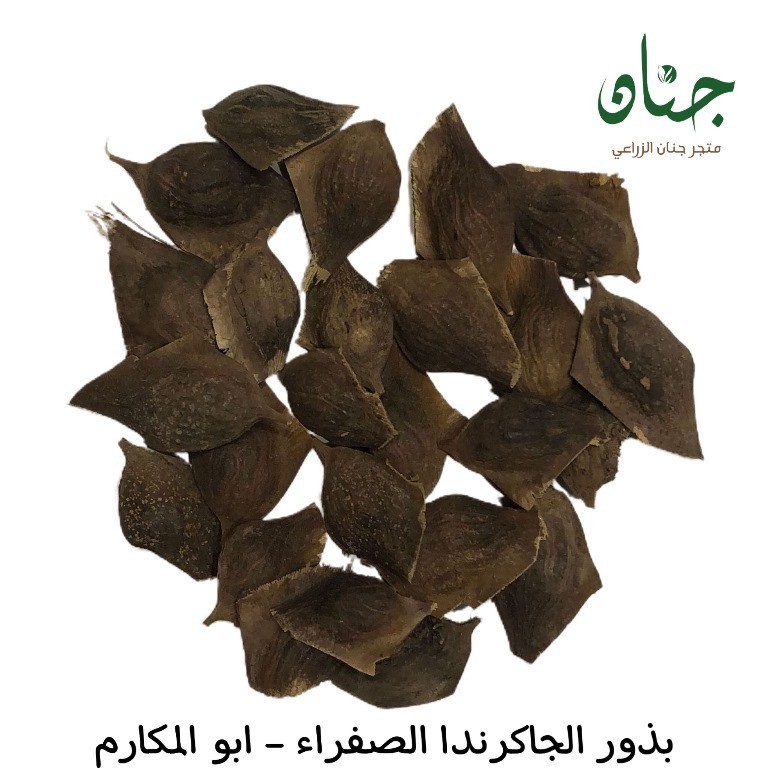
Number 200 seeds
Common name: Yellow Jacaranda - Abu Al-Makarim
Scientific name: Tipuana tipu
Other names: Tipuana - Rosewood
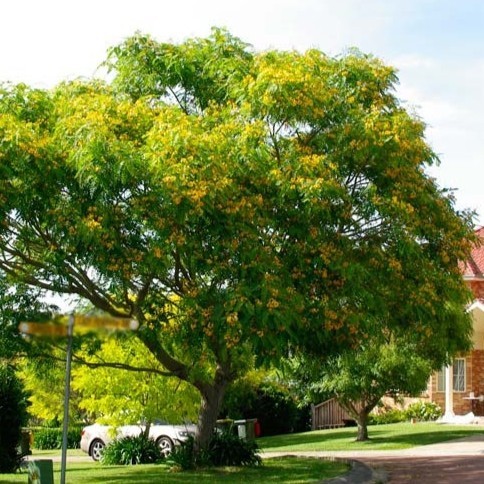
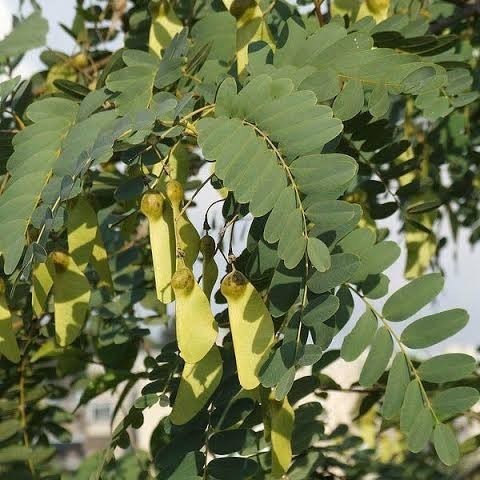
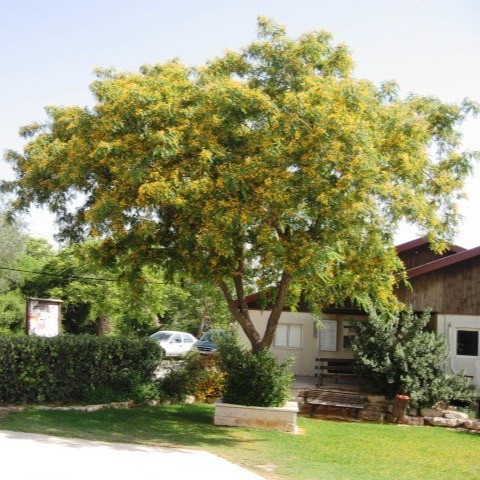
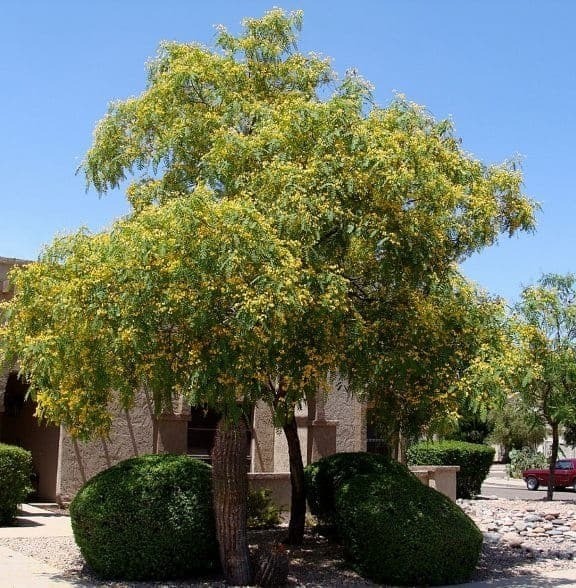
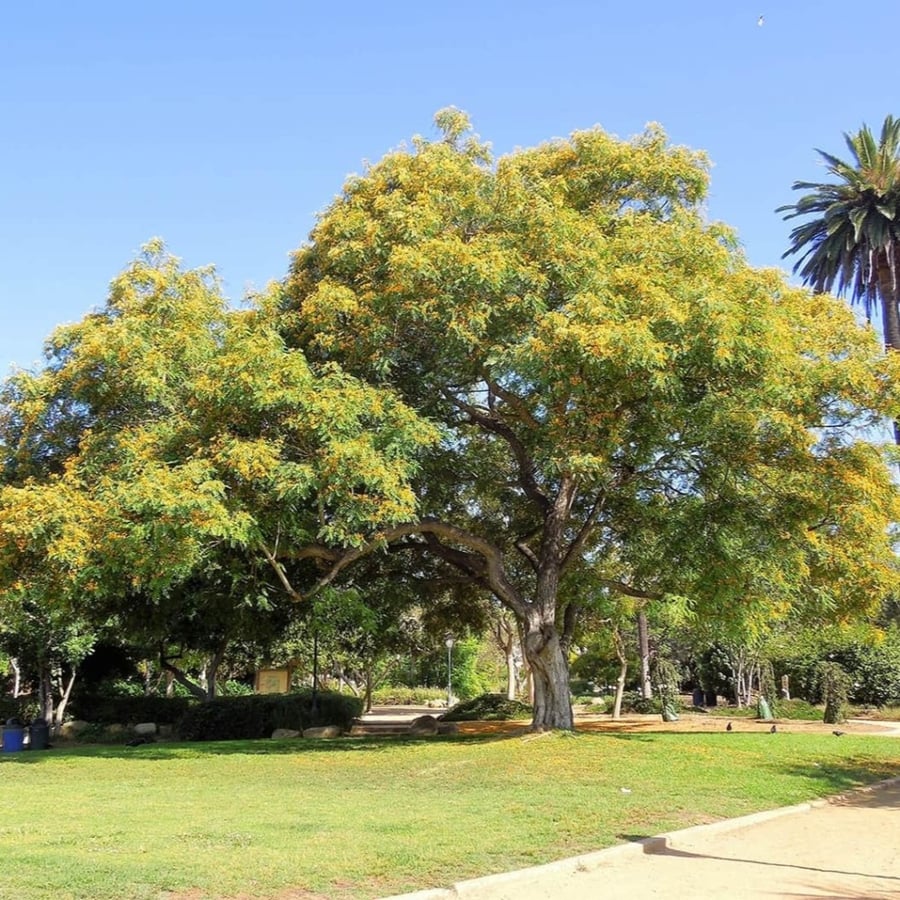
A semi-deciduous tree, exceeding 10 meters in height, forming a flat canopy that expands with age to take the shape of an umbrella, reaching a width of up to 10 meters. The leaves are compound with feathery leaflets consisting of several oval-shaped leaflets. It is a tree with active roots, and it is not recommended to plant it near fences and water tanks.
• Yellow Jacaranda flowers - Abu Al-Makarim:
Flowers appear from late spring to early summer. The flowers are abundant, in clusters, and resemble pea flowers, with a golden color. Falling flowers create a dense cover on the ground.
• Fruit and seeds of the yellow Jacaranda - Abu Al-Makarim:
The fruit is winged pods, 4 cm – 8 cm in size, not edible. Inside, they contain seeds.
• Growing season for the yellow Jacaranda - Abu Al-Makarim:
It is cultivated and propagated by seeds from January to May, and can also be planted year-round in agricultural preserves, enclosed or plastic places where temperature can be controlled, sunlight reaches, or where adequate lighting for the plant is available.
• Suitable climate and soil for the yellow Jacaranda - Abu Al-Makarim:
The tree is exposed to full sunlight. It tolerates salinity and withstands light frost. The alkaline soil should be improved by adding compost and acidic fertilizers. Young trees should be pruned and supported from the beginning to form a straight trunk. It requires moderate watering in well-drained soil.
• How to plant the yellow Jacaranda - Abu Al-Makarim:
It propagates easily through seeds at a depth of 1 cm – 2 cm, and needs care and support during its early growth stages. Afterward, it requires little maintenance.
• Its benefits and uses:
Used ornamentally for the beauty of its flowers and for shade to protect from the sun.
• Native habitat of the yellow Jacaranda - Abu Al-Makarim:
Its original habitat is Bolivia, and it has been successfully cultivated in Saudi Arabia and Gulf countries.

From Buraydah