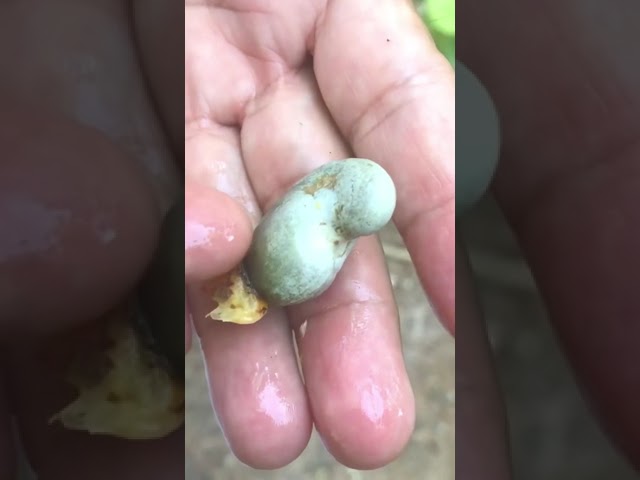


Cashew tree seeds
14ر.س
Product description
Common name: Cashew tree
Scientific name: Anacardium occidentale
Other names: Cashew - Bladash
A perennial and evergreen tree from the Anacardiaceae family, it has a thick, irregular woody trunk in most cases. Its leaves are oval, thick, and arranged. It usually begins to bear fruit at the age of 3 years, from which the well-known cashew fruits are harvested, which are considered one of the most important types of nuts in the world. It has been cultivated in the United Arab Emirates and has proven successful.
Cashew flower: Its flowers form in clusters up to 25 cm long, with each small flower having 5 pointed petals. Initially, they are pale in color and then turn red.
Cashew seeds and fruit: Its fruit is shaped like an apple that gradually turns red as it ripens. The true fruit is at the end of the cashew apple, and seeds are extracted from it, surrounded by a double shell. Caution is advised when touching the sap around the seed shell, especially after germination, as it contains anacardic acid, which can cause allergies and skin irritations for some people.
Cashew tree germination season: It is planted in autumn and spring, and can also be cultivated year-round in agricultural protected areas, enclosed or plastic places where temperature can be controlled, sunlight reaches, or where adequate lighting for the plant is available.
Suitable climate and soil for the cashew tree: The cashew tree can adapt to hot and dry climates and thrives in fertile, well-drained soil.
How to cultivate the cashew tree: It reproduces through cuttings and seeds, which are planted in the soil at a depth of 1 cm from the surface. It can also be fertilized with organic fertilizer at least once to accelerate its growth and development.
Its benefits and uses: Its fruits are considered one of the most expensive nuts in the world, with Brazil, Ivory Coast, and India being the top exporters of cashew.
Original habitat of the cashew tree: Brazil.

From Buraydah