
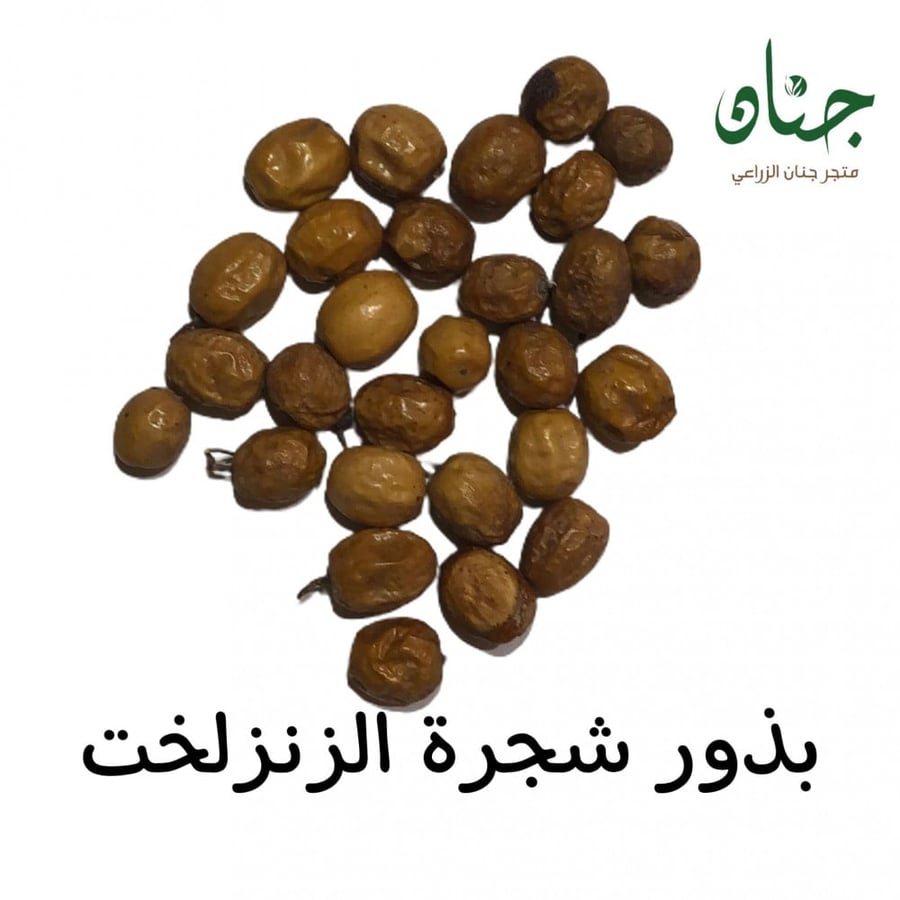


Seeds of the Zanzalakh (Melia azedarach)
34ر.س
Product description
Number 300 seeds
Common name: Zanzalakh
Scientific name: Melia azedarach
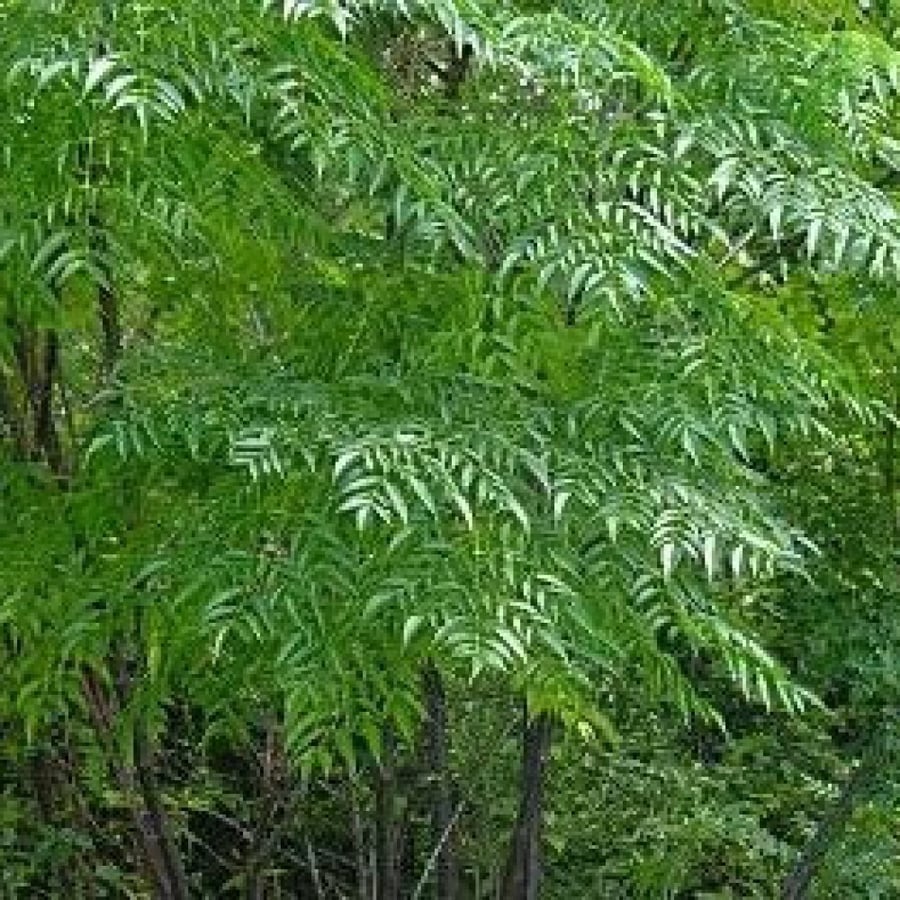
Zanzalakh is a deciduous tree that reaches a height of 6 to 17 meters, and its branches can spread up to 12 meters. The word "Azdarakh" is a non-Arabic term composed of two parts: "Azad" meaning "beautiful" and "Derakh" meaning "tree," so it is the beautiful tree. The tree has a wide, open crown, and it often has multiple branches. The leaves are green, fresh, compound pinnate, arranged alternately, with oval-shaped leaflets with serrated edges.
• Flower of the Zanzalakh tree: The flowers are purple, violet, or yellow tending towards white, appearing in spring in an open cluster inflorescence that can reach up to 25 cm in length. The size of each flower is 5.1 cm. The tree begins to bloom at three or four years of age.
• Fruit and seeds of the Zanzalakh tree: Its fruits are small, spherical, containing the seed inside, arranged in a cluster with spaced-out berries resembling chickpeas when ripe.
• Season for germination of the Zanzalakh tree: The planting season is February and March, and September to November. It can also be cultivated year-round in agricultural protected areas, enclosed or plastic places where temperature can be controlled, sunlight reaches, or adequate lighting is available for the plant.
• Suitable climate and soil for the Zanzalakh tree: It tolerates drought and frost, grows in various soil types, and can withstand moderate salinity. Small trees may not tolerate frost. It prefers regular watering.
• Method of cultivating the Zanzalakh tree: It propagates through seeds and cuttings. Soaking seeds in water is not necessary but is good for speeding up growth, as the Zanzalakh grows quickly.
• Its benefits and uses: It is used for decoration and shade, and its wood is used in woodworking industries. It has medicinal uses. It also plays a role in repelling mosquitoes and insects, and a new insecticide has been made from seeds of the Zanzalakh tree.
• Native habitat of the Zanzalakh tree: Mountainous regions of China and South Asia.

From Buraydah