




Jojoba seeds
7ر.س
Product description
Common name: Jojoba
Scientific name: Simmondsia chinensis
Other names: Hohoba - Gray box - Wild hazelnut - Deer jujube
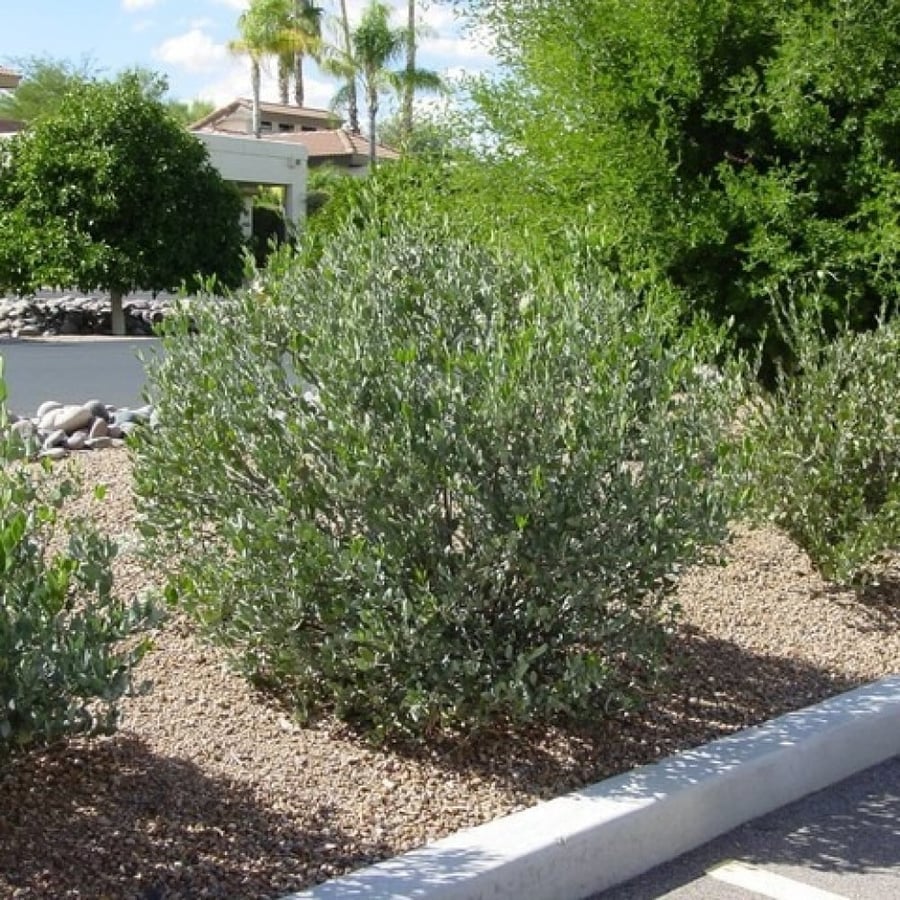
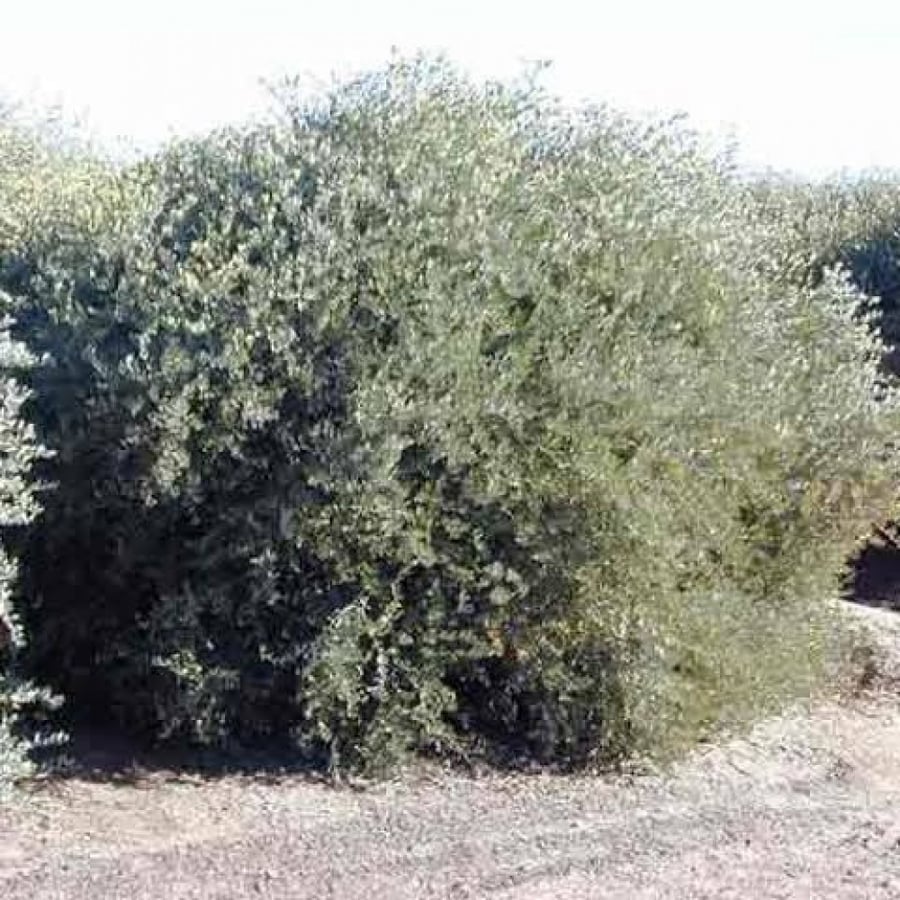
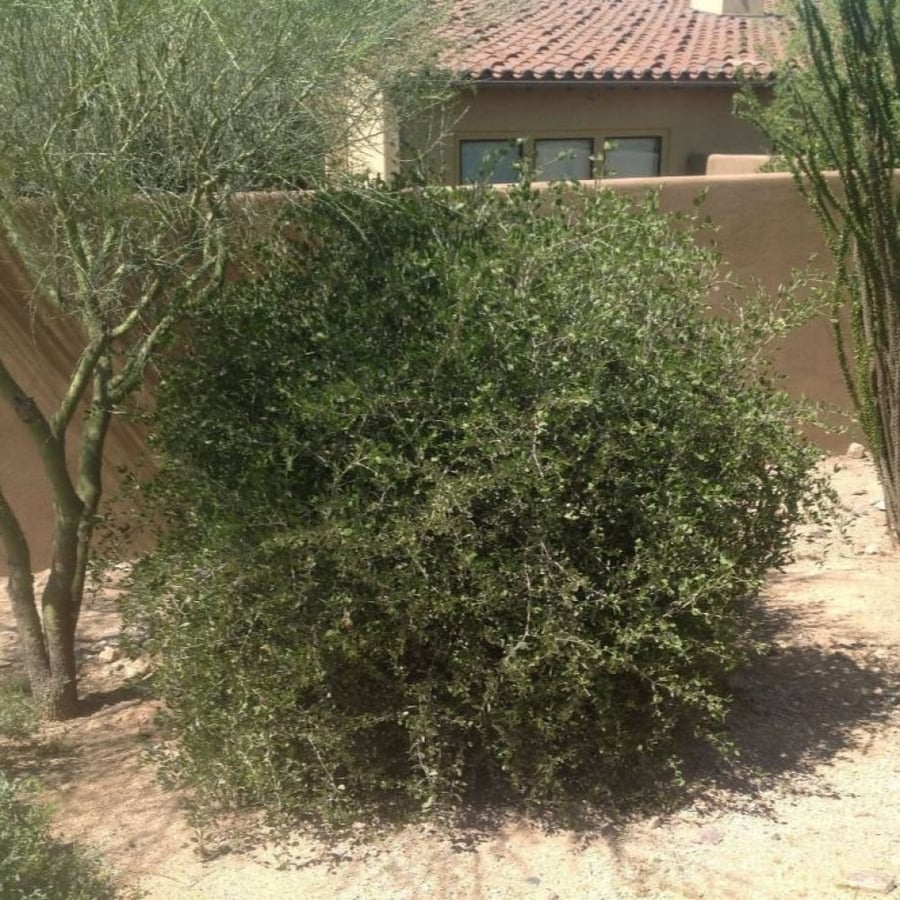
Jojoba is a wild plant that grows as a large shrub, evergreen, and lives for 100–150 years. The plant has a strong root system consisting of a deep taproot that can reach more than 10 meters in length, from which a set of lateral roots branch out that are not superficial. These roots range in height from 1.5 to 4 meters, depending on the amount of rainfall or irrigation water. The leaves are oval-shaped and resemble olive leaves but are thick and leathery, covered with a thick layer of wax in the form of crystals to reflect the maximum amount of sunlight.
Jojoba flower: Its small yellow flowers are scentless and lack petals, not attractive to insects, and bloom from the beginning of spring until early summer.
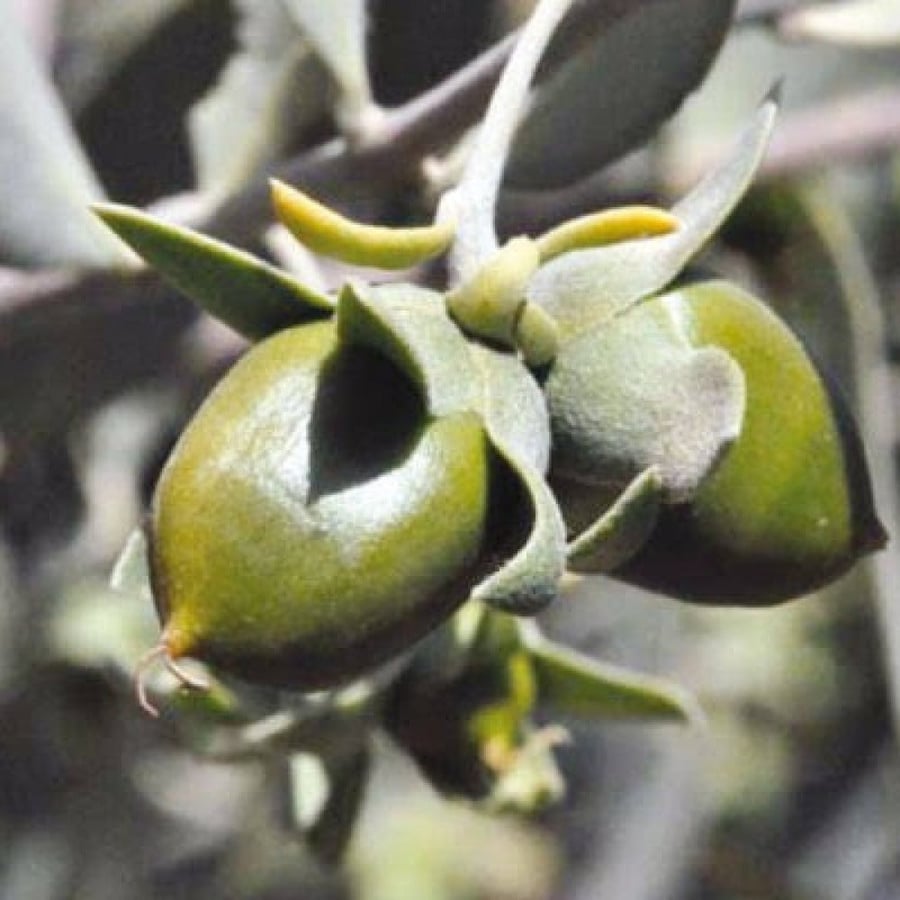
Jojoba fruit and seeds: The fruit is usually solitary, sometimes in pairs or in clusters, with 2–10 fruits per cluster. The Hohoba fruit typically contains one elongated seed with a circular diameter, but sometimes there are two half-circular seeds.
Jojoba planting season: The best time to plant jojoba by seed is August, with germination occurring after 17 days. It can also be cultivated year-round in protected agricultural environments, enclosed or plastic-covered areas where temperature can be controlled, and where adequate sunlight or lighting is available.
Suitable climate and soil for jojoba: Jojoba tolerates high temperatures and cold extremes, but for a plentiful crop, the ideal conditions are around 36°C during the day and 18°C at night. Jojoba is not suitable for cultivation in tropical areas or regions with heavy rainfall and flood risk. The best soil for growth is well-drained sandy soil, but it also tolerates high soil salinity and does not require much water.
Jojoba cultivation method: It propagates through seeds, which are preferably soaked in warm water for 24 hours before planting. The seeds are then planted at a depth of no more than 1 cm from the soil surface. Regular watering is needed until the seedlings appear.
Its benefits and uses: Production of oils and fuel, often called green gold due to its economic importance. It is also suitable for developing vegetation cover in deserts.
Native habitat of jojoba: The Sonora deserts in North America, and it is also cultivated in Saudi deserts and Gulf countries.

From Buraydah