





Honey Acacia tree seeds - Al-Dhaba (Acacia mellifera)
7ر.س
Product description
Common name: Talh Al-Asali Tree - Al Duba
Scientific name: Acacia mellifera
Among its names: Sweetened Acacia - Pouch Tree
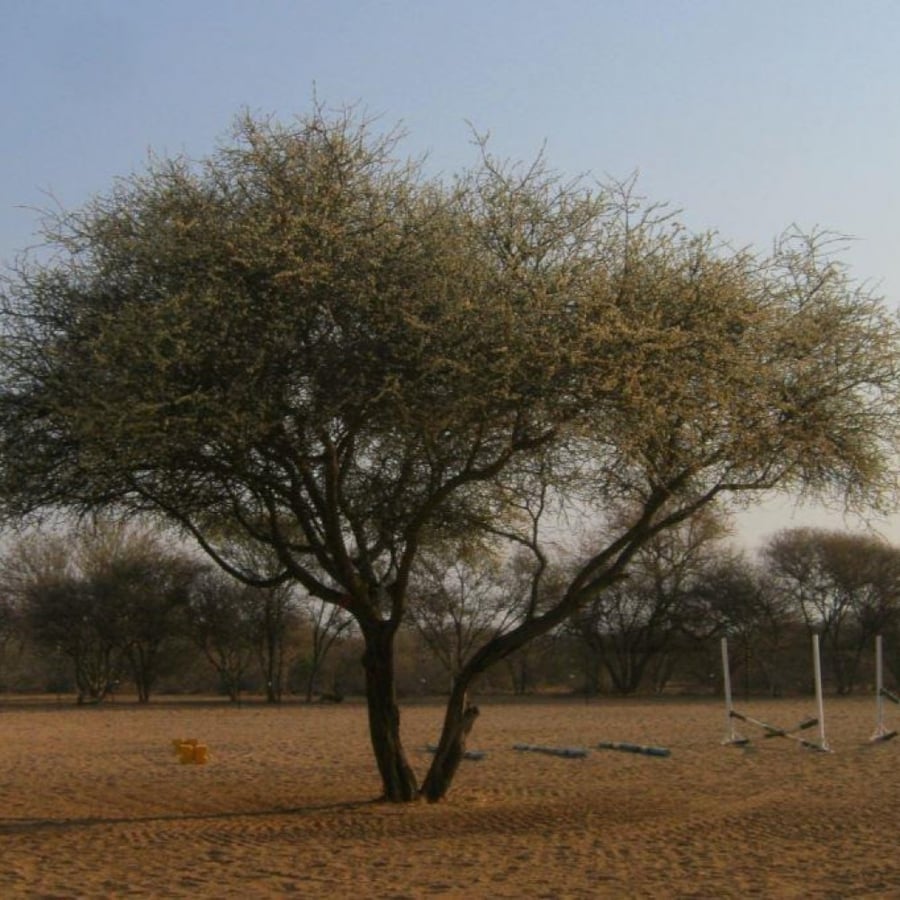
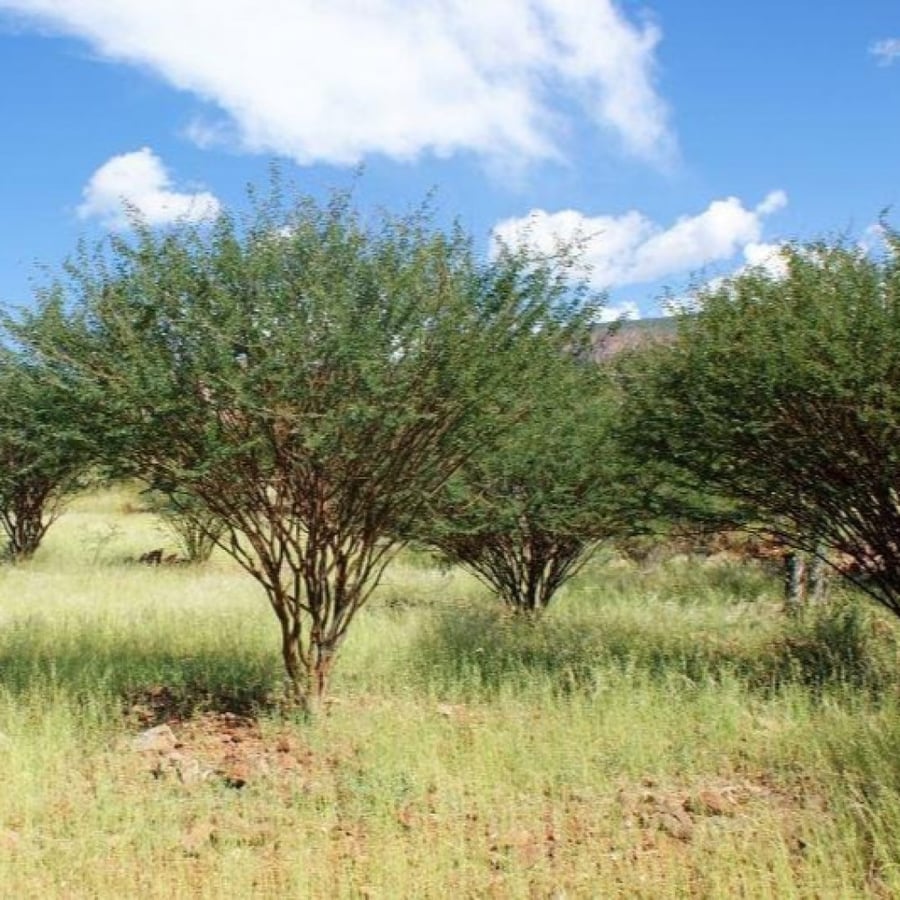
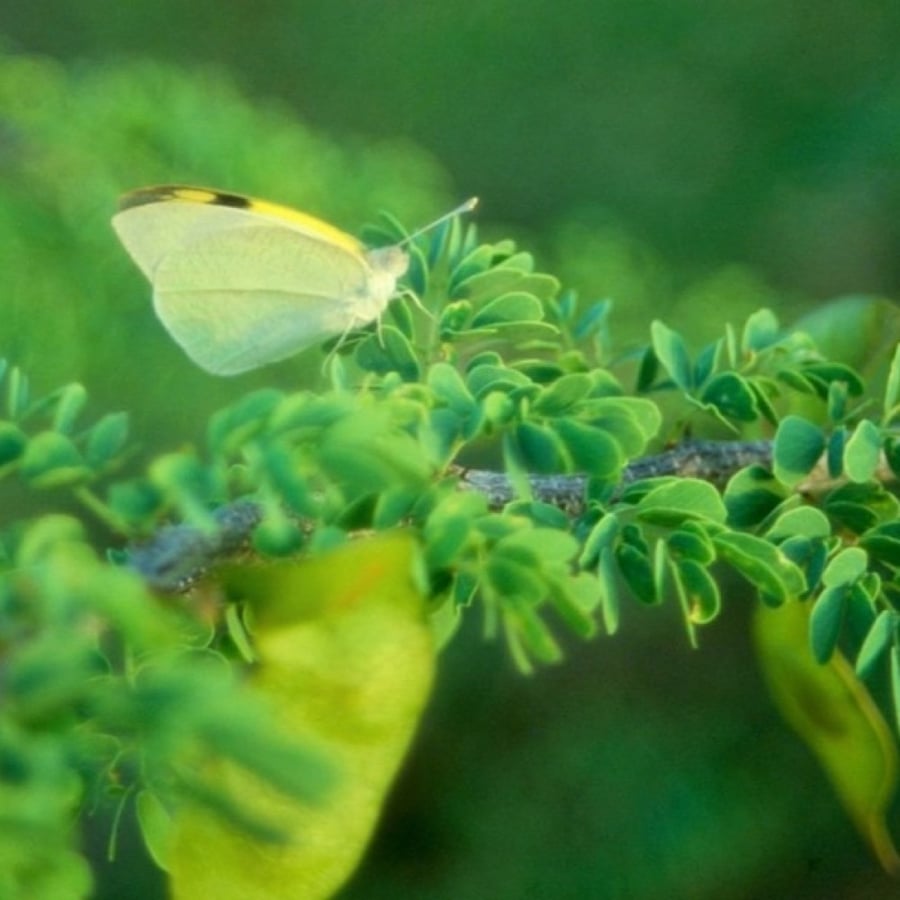
A small-sized and perennial thorny tree from the genus Acacia, reaching up to 7 meters in height, with dense branches, a wide crown, and compound green oval-shaped leaves. It is distinguished by its fragrant flowers that bees are attracted to, and it can also be shaped as a bonsai tree.
• Talh Al-Asali Tree - Al Duba flower:
Its flowers are spherical, forming in axillary inflorescences, with a yellowish-white color, and have a fragrant scent especially at night. They are attractive flowers that bees are drawn to, blooming densely from the beginning of September until the end of November.
• Seeds and fruit of the Talh Al-Asali Tree - Al Duba:
Its fruits are small pods containing round, flat seeds, and are brown in color.
• Growing season for the Talh Al-Asali Tree - Al Duba:
It is cultivated outdoors during moderate weather periods in autumn and spring, and can also be grown year-round in agricultural reserves and enclosed or plastic places where temperature can be controlled, with access to sunlight or sufficient lighting for the plant.
• Suitable climate and soil for the Talh Al-Asali Tree - Al Duba:
The Talh Al-Asali or Al Duba tree is highly tolerant of drought and high temperatures, and it loves sunlight. It is capable of withstanding strong winds and can be planted in most types of soil.
• How to cultivate the Talh Al-Asali Tree - Al Duba:
It propagates through cuttings, and also by seeds that are soaked in water for 24 hours before planting in soil at a depth of 1-2 cm, then watered regularly until the plant sprouts.
• Its benefits and uses:
It is cultivated for its flowers that attract bees, as well as for fencing and windbreaks. Additionally, it is used as livestock fodder, and has medicinal uses, being widely used in traditional African medicine.
• Native habitat of the Talh Al-Asali Tree - Al Duba:
Dry areas in Saudi Arabia and Africa.

From Buraydah