



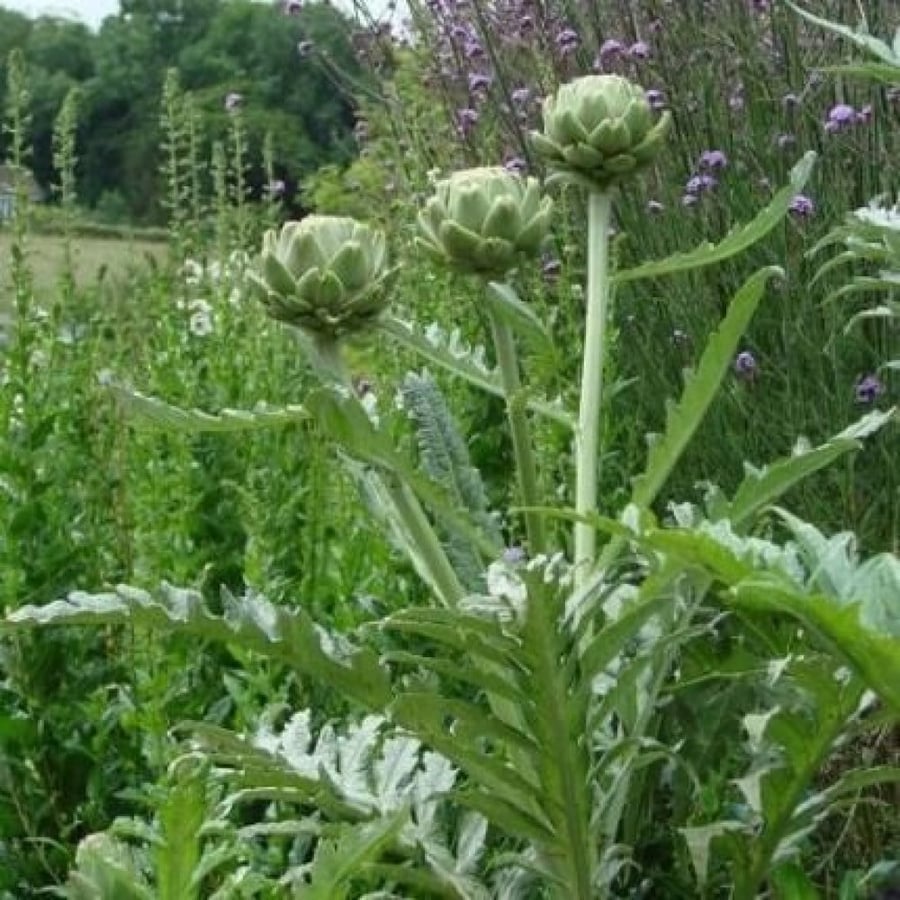
Artichoke thistle seeds
7ر.س
Product description
Common name: Artichoke Thistle
Scientific name: cynara cardunculus
Among its names: Khurshuf - Ground Thistle - Ankinar - Qanariya
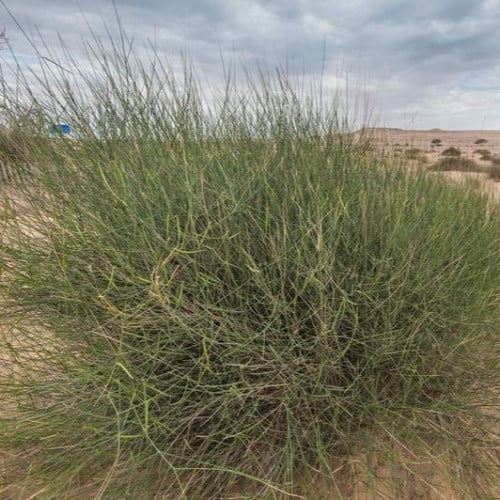
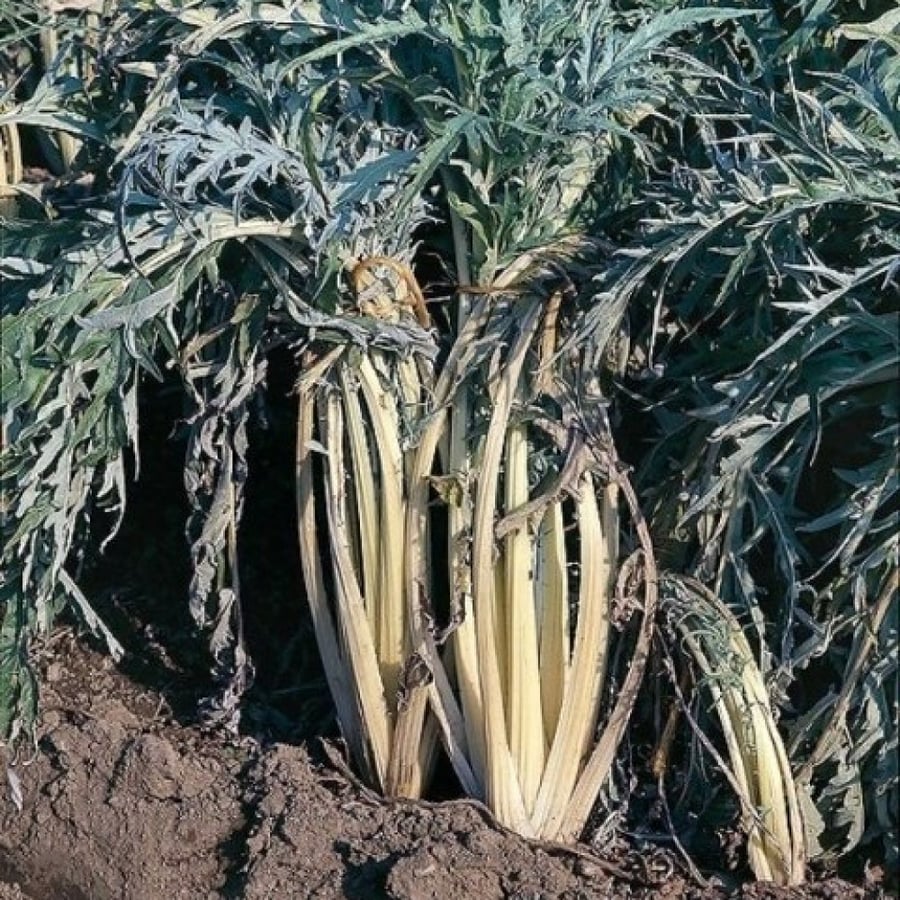
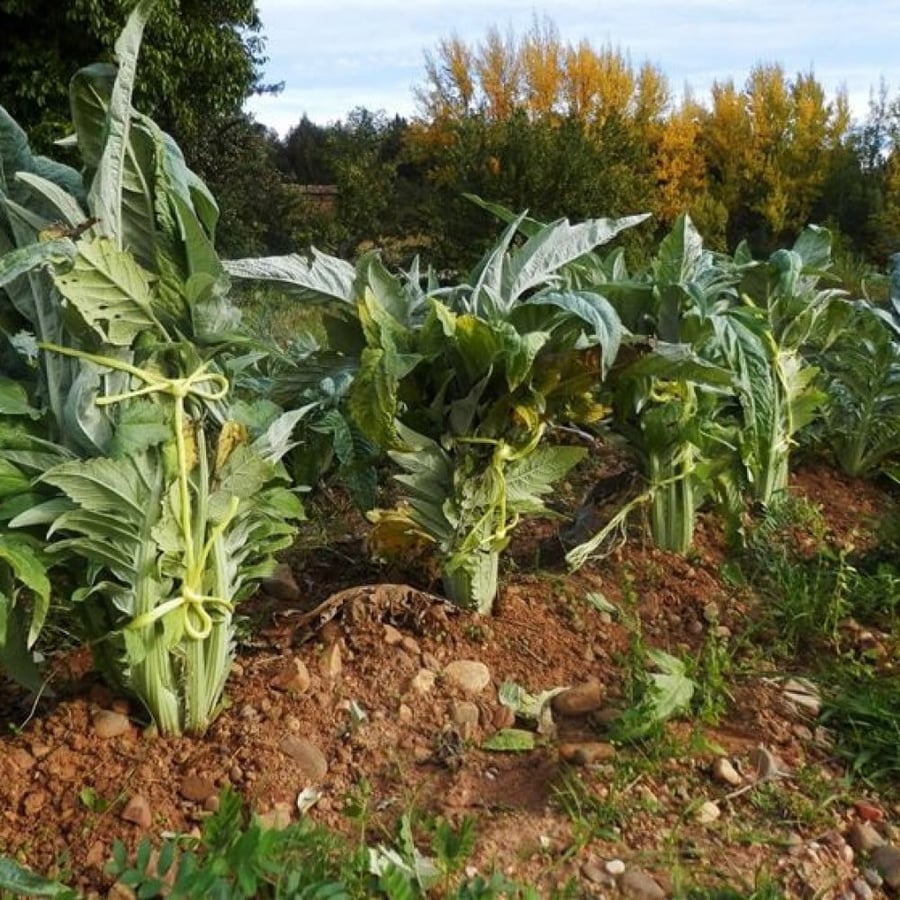
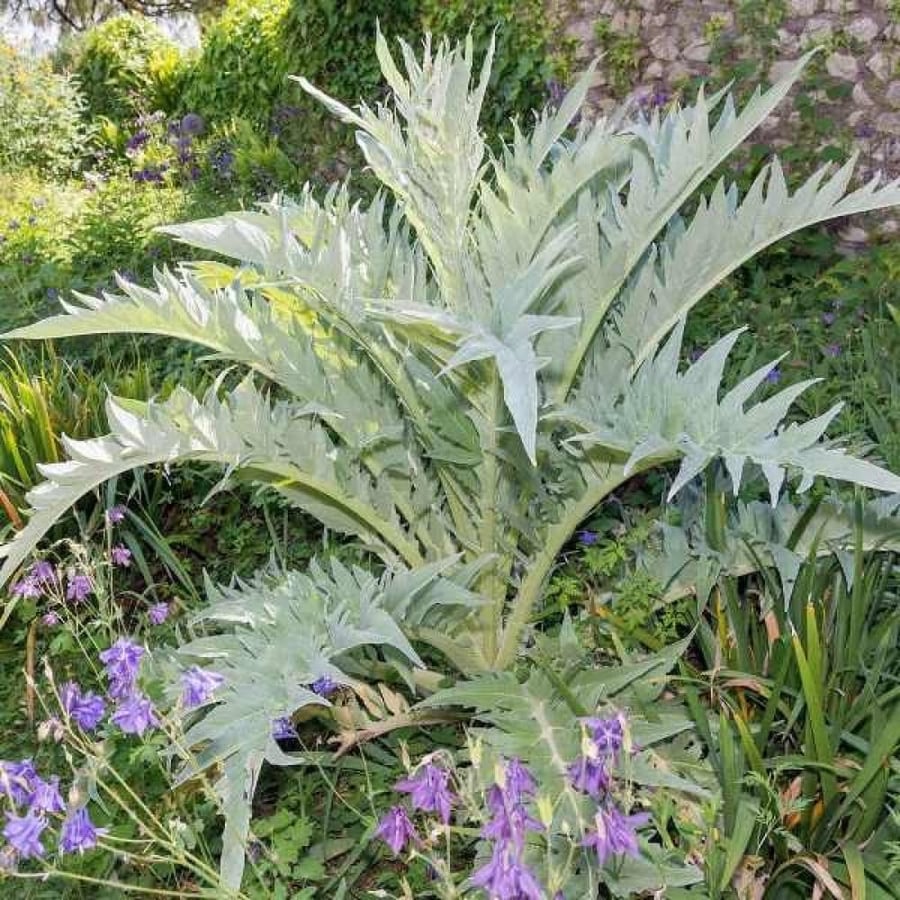
Herbaceous thorny perennial plant from the genus Khurshuf of the Asteraceae family, exceeding one meter in height, with a short trunk, a thick root, and tuberous lateral roots. Its leaves are long, light green in color, with rhombic lobes and serrated edges. The lower part of the thorny artichoke is incised and gradually branches upward. Its flower heads are eaten before they open, in addition to the base of the inner leaves. It is widespread in the Mediterranean basin region, where it grows in deserts, and its fruits are called by many names including Qoq, Qarnoun, Qanariya, Qarnoun, and Qamoul.
What is the shape of the thorny artichoke flower?
Its flowers form on a cylindrical floral axis that exceeds 1.5 meters in height. The flower heads are used as food before they open, and are left to bloom for ornamental purposes.
The fruit and seeds of the thorny artichoke:
The fruit is the same as the flower before it opens, in addition to the base of the inner leaves. Its seeds are medium-sized, cylindrical, brown in color, and up to 1 cm long.
When is the best time to plant the thorny artichoke?
It is cultivated from seeds during the spring season.
What is the suitable climate and soil for growing the thorny artichoke?
It grows in moderate climates and does not tolerate strong frost or temperatures below zero. It can be cultivated in salty, deep, and dry soils.
What is the method of cultivating the thorny artichoke?
It propagates through seeds planted at a depth not exceeding 2 cm. It can also be fertilized with organic fertilizer at least once to accelerate growth and development. It requires abundant water during the germination period.
What are its benefits and uses?
It is cultivated for its fruits, whose flower heads and the base of the inner leaves are eaten, often served in salads in some cultures. It has many health benefits because it contains vitamins A and B, and most of its carbohydrates are inulin, which, upon hydrolysis, converts into fruit sugar, making it suitable as food for diabetics. The flower heads are used in nutrition and are suitable for patients with diabetes, liver issues, and constipation, as they contain a significant amount of inulin that converts into fructose. It also contains some laxative and anti-constipation digestive juices.
Where is the native homeland of the thorny artichoke?
In the central and western Mediterranean basin, where it grows in the wild. Additionally, an annual festival is organized in America specifically for this plant.

From Buraydah