


Shy seeds - Mimosa pudica
38ر.س
Out of Stock
Product description
Number 500 - 1000 seeds
Common name: Shy or Mimosa
Scientific name: Mimosa pudica
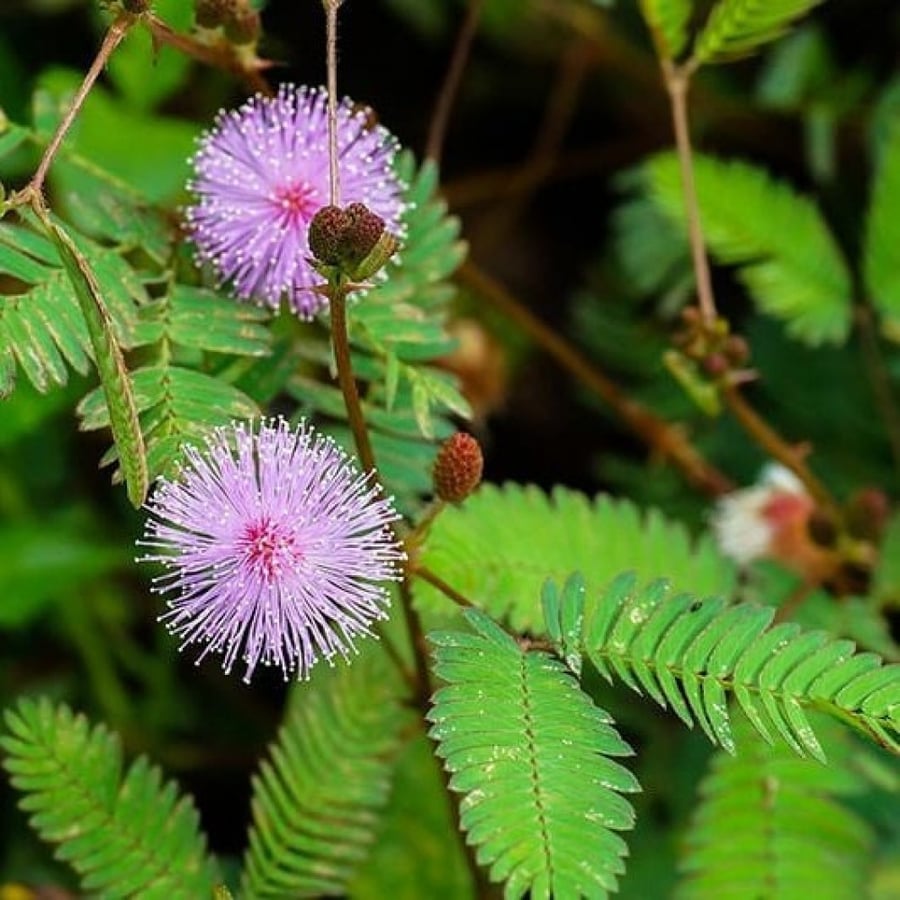
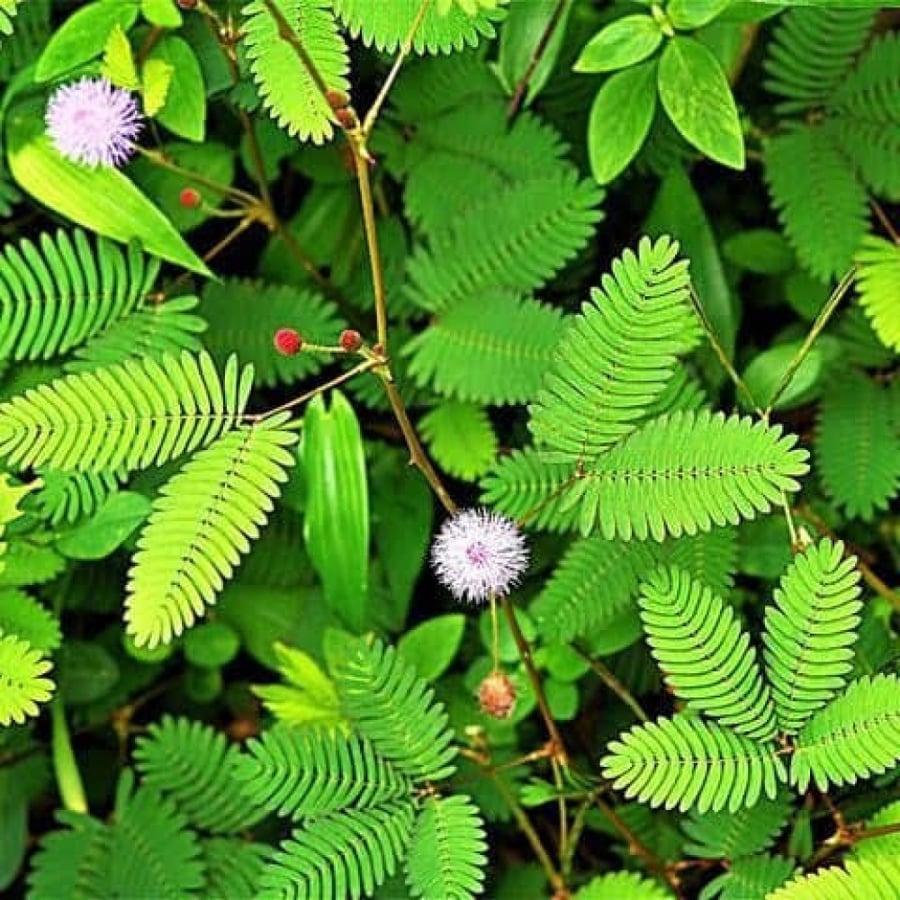
A tropical shrub with a slender stem reaching up to 1.5 meters, its leaves are compound pinnate that fold upon themselves and hang down when touched, heated, blown on, or vibrated. This is why it is described as shy due to this amazing contraction. The shy branches out randomly, so it is better to prune it regularly to keep it with a single upright stem.
• Shy flower - Mimosa pudica: Its flowers are spherical, pinkish-purple in color, with the pink bud emerging from the leaf axis in mid-summer, and their number increases as the plant ages.
• Fruit and seeds of the shy - Mimosa pudica: The fruit consists of a cluster of 2-8 pods, each about 1-2 cm long, with spines on the edges. These pods divide into segments of 2-5, each segment containing a pale brown seed about 2.5 mm long. The seed coat is hard to prevent predation, like many other plant species, so we remove the seeds from the pods to prepare them for planting.
• Best season for germination of the shy - Mimosa pudica: The best time to plant the shy is in autumn and spring; it can also be cultivated year-round in protected agricultural environments, enclosed or plastic places where temperature can be controlled, sunlight reaches the plant, or where adequate lighting is available.
• Suitable climate and soil for planting the shy - Mimosa pudica: Loves sunlight and humidity, sensitive to cold and frost, grown in fertile, well-drained soil.
• How to plant the shy - Mimosa pudica: It is planted by cuttings or seeds. It is preferable to soak the seeds in water for one day before planting, and they are sown at a depth of 1-2 cm.
• Its benefits and uses: Used for decoration in gardens and homes, considered one of the remarkable and eye-catching trees due to its amazing contraction when touched.
• Native habitat of the shy - Mimosa pudica: South America and Central America, cultivated in Middle Eastern countries.

From Buraydah