

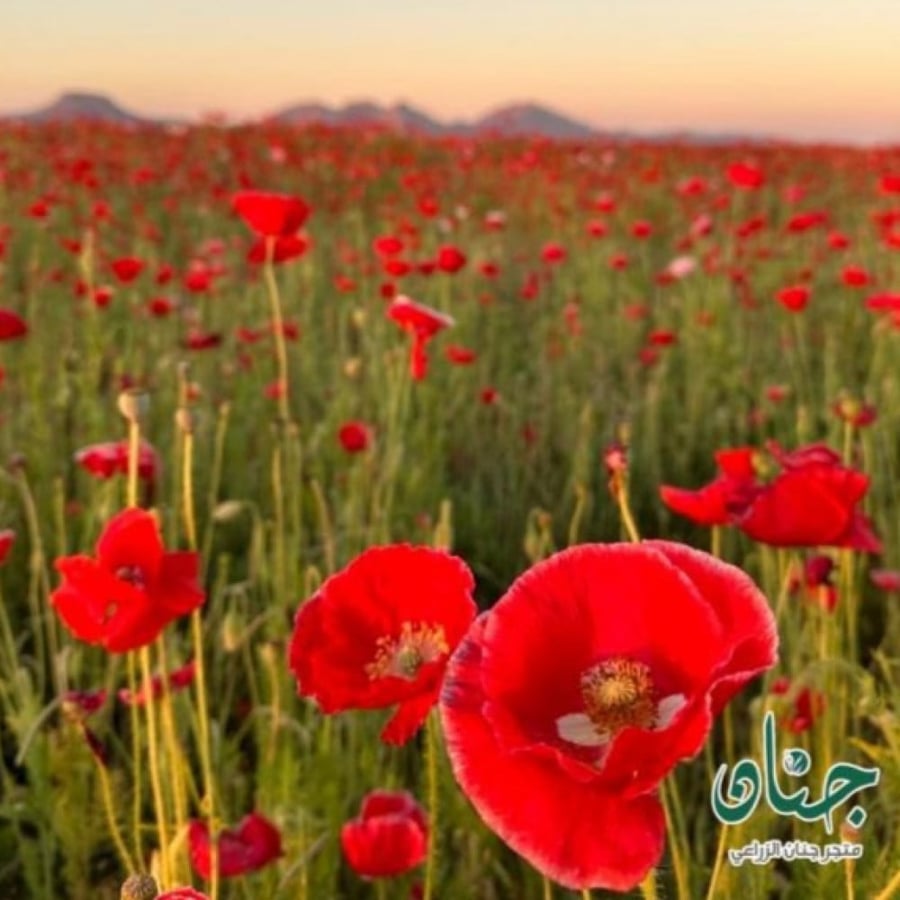
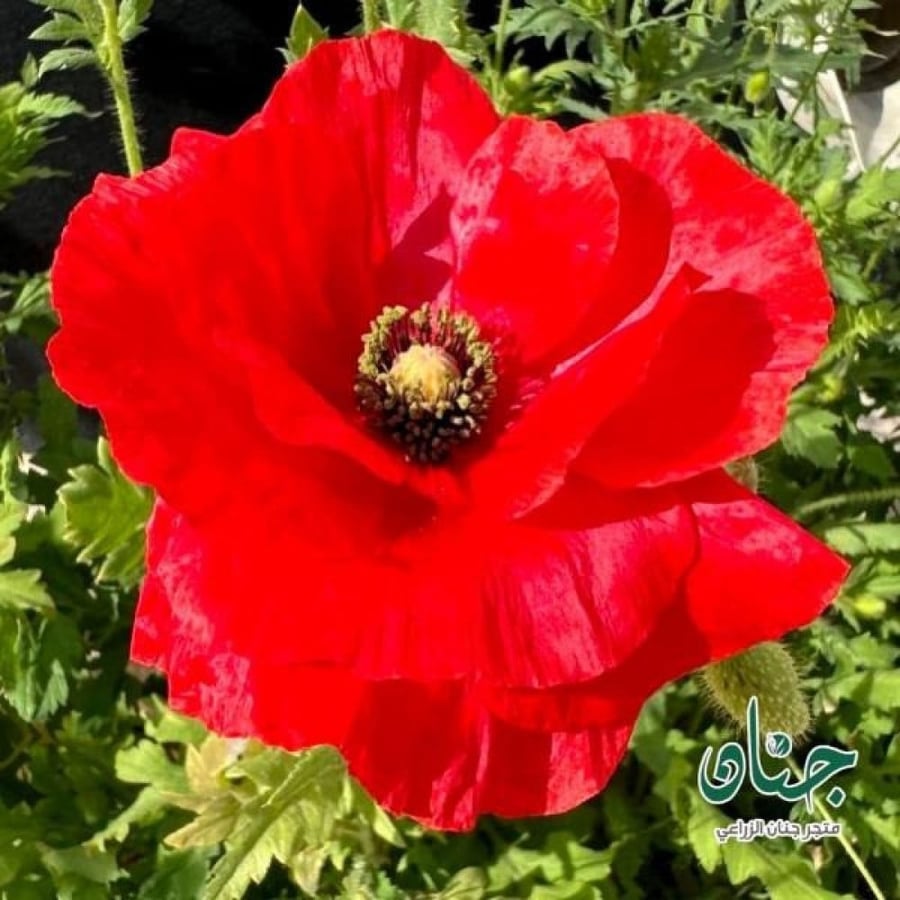
Red Didehan seeds - Anemone (Papaver glaucum)
32ر.س
Product description
Common name: Didehan flower - Anemone
Scientific name: Papaver glaucum
Other names: Gray poppy - Mughazara - Hissar
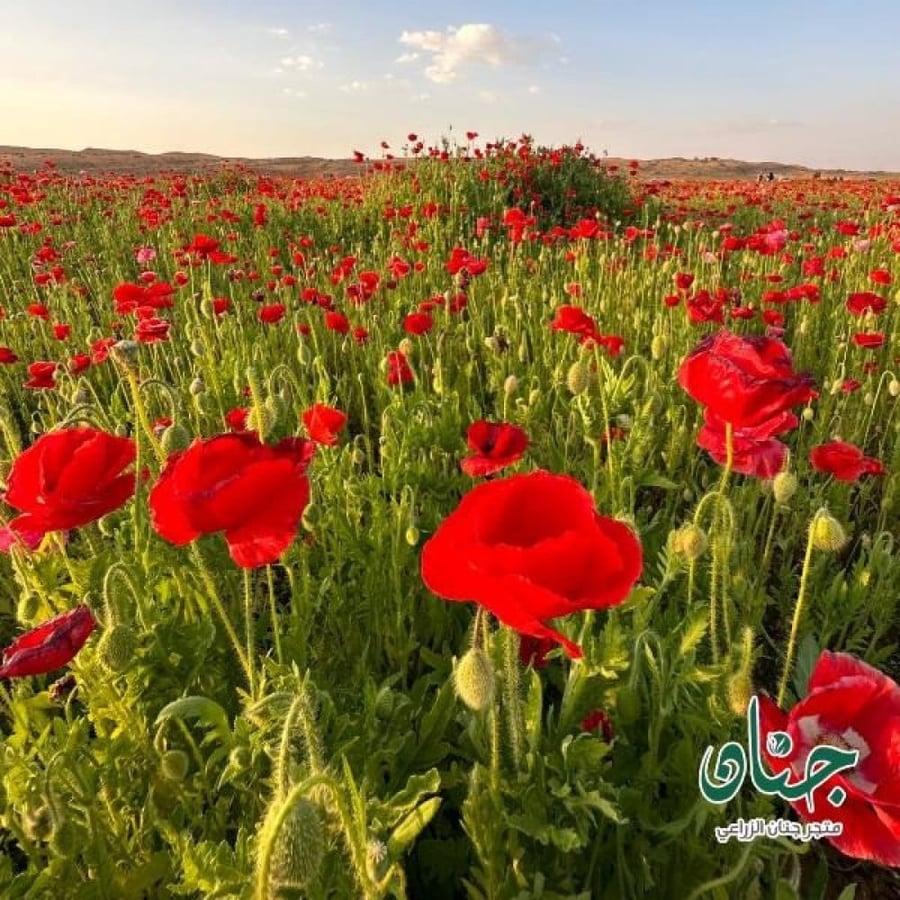
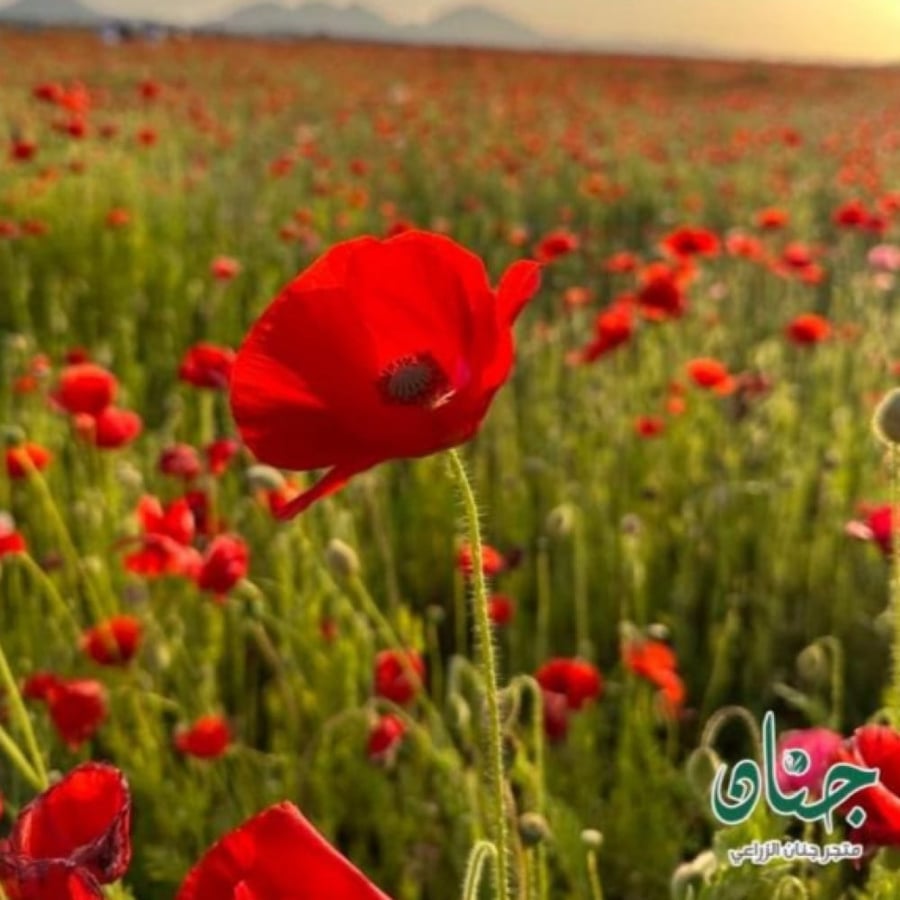
A seasonal wild winter plant from the poppy family, it has a slender, tender stalk about a meter long topped with a single flower. Its leaves are lance-shaped with serrated edges covered with white hairs. Didehan is distinguished by its bright red flowers and is one of the rare plants that have gained people's interest in the Saudi Arabian desert. Many poets have praised its beauty, including Muhammad Al-Ahmad Al-Sudairy in his famous poem "Yaqool Min ‘Ada," where he says:
When will our homes and the valleys be lush again after they were barren,
We see the Didehan blooming like brocade with a narrow waist,
And it scatters on the ground the petals of the poor.
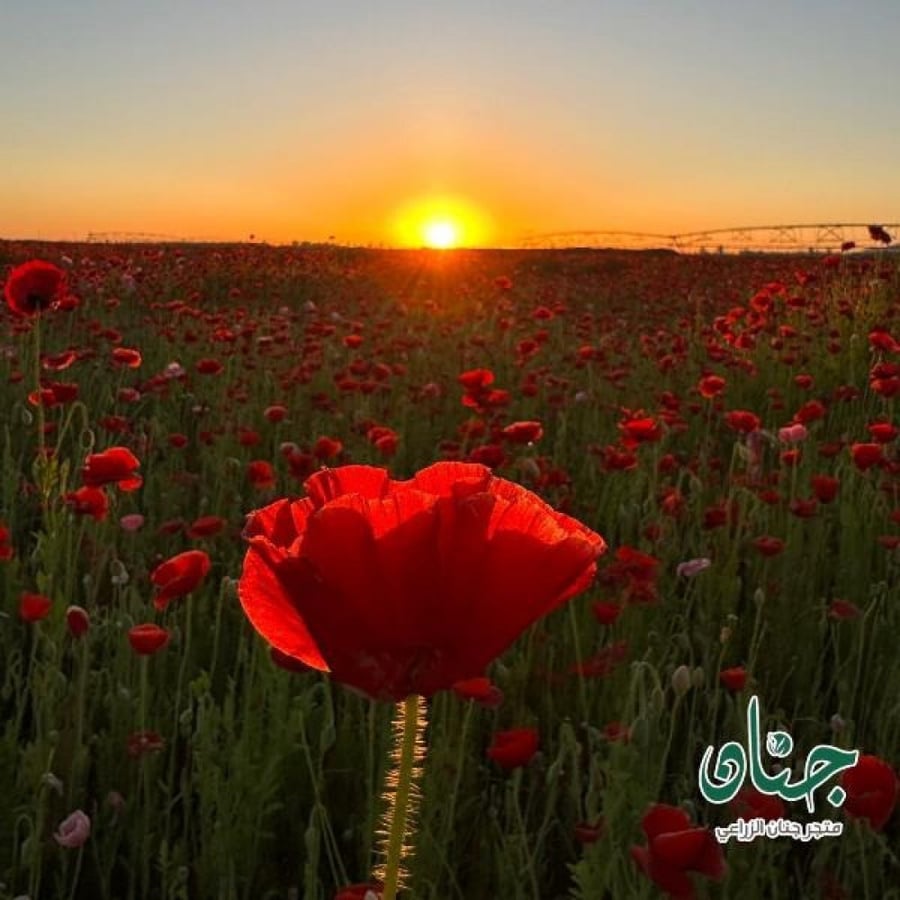
Its red color attracts attention, with large petals and a soft black spot in the center.
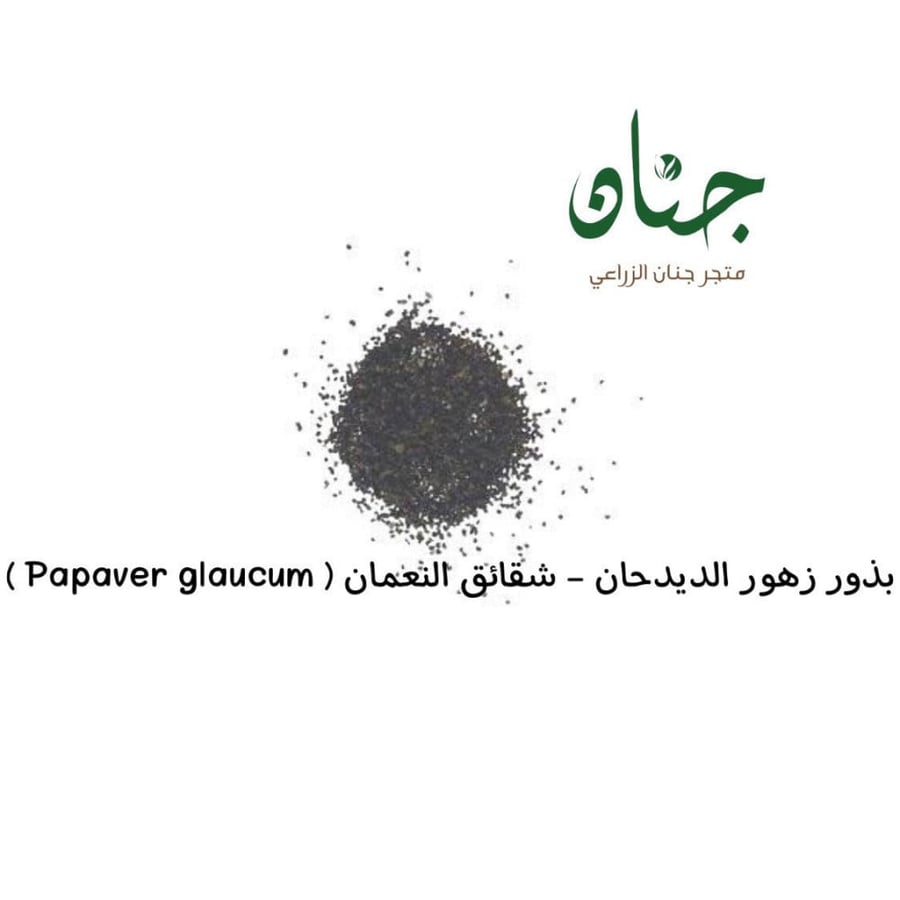
Didehan seeds: The seeds are tiny, round, and sand-sized, with a brownish-black color.
Germination season: October and November are the best months for germinating Didehan seeds. It can also be cultivated in winter and spring, or in protected areas throughout the year.
Suitable climate and soil for cultivation: Didehan requires moderate temperatures between 15 - 28°C and well-drained light soil. It does not tolerate high salinity.
How to cultivate Didehan: It is grown from seeds, either in plant containers and germination trays or directly in the ground. Since the seeds are extremely tiny, it is better to mix 0.5 grams of seeds with 50 grams of sand to facilitate distribution. The seeds should be watered regularly to prevent the soil from drying out during germination.
Its benefits and uses: Didehan flowers are cultivated for decoration in homes and private gardens as they are rare in deserts. They also have medicinal uses.
Original habitat: Europe, North Africa, and some parts of Asia. It appears during spring in the northern regions of Saudi Arabia.

From Buraydah