The translation is empty.
60ر.س
Out of Stock
Product description
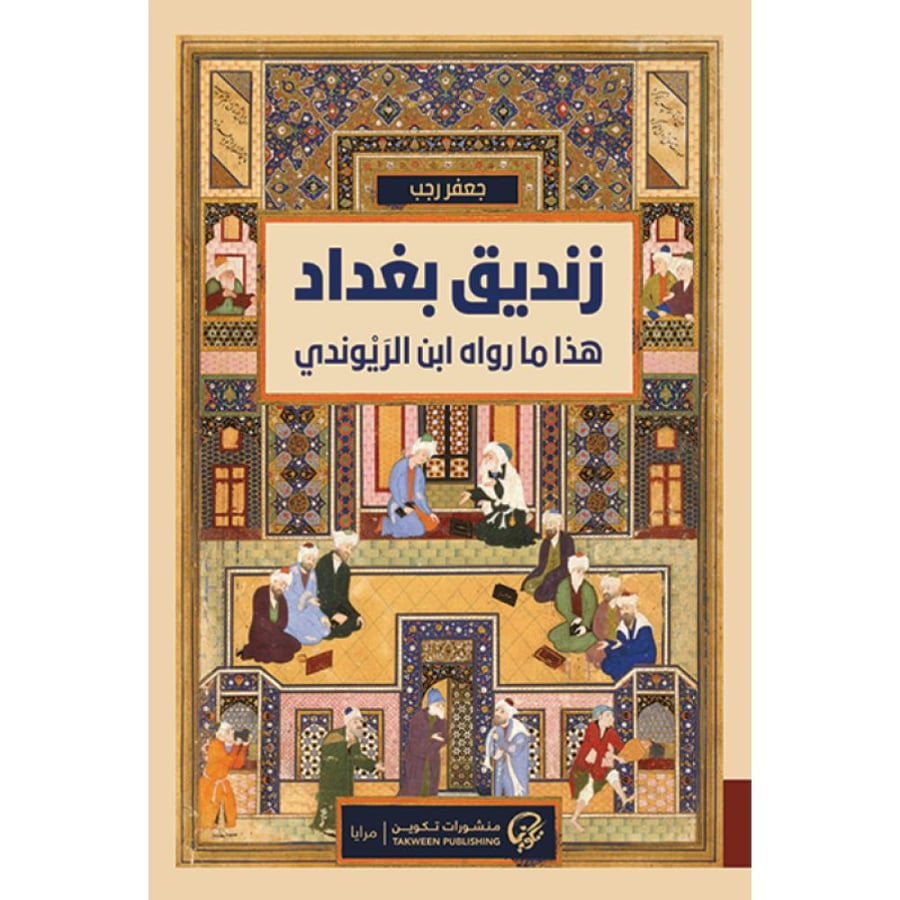
The novel "Zandiq Baghdad" is among few Arab novels that address heresy in Arab and Islamic history, as the novel follows the life of a remarkable and perplexing Arab thinker, the son of Rayundi, mistakenly called Ibn al-Rawandi or al-Rundi. He lived in the first half of the 3rd century AH. He was one of the most prominent thinkers of his era among the enlightened. After his death, like many free thinkers, he was accused of heresy and disbelief. The book "Zandiq Baghdad" can be considered as a biographical novel of a thinker and scientist who is unlike any other.
In the novel "Zandiq Baghdad," much has happened, east and west, some of its optimism was planted in my heart after it warned me. I remember I took it as a joke and told her: "All this is on my palm." She said: "Yes, O naive one, your fate is written on your hands!" I challenged her: "No, my fate I draw with my own hands!" She laughed mockingly and said: "Don't be too confident, O foolish girl. Many have surrendered after realizing that the wind does not follow the command of the captain, and the rains do not fall by the monks' prayers, and earthquakes are not frightened by the Sultan's armies. They always thought that the world was in their hands, and when they were in His hands, they thought they were rooted trees that the wind cannot break nor the storms bend. But in reality, they are just tree leaves in the mercy of autumn winds, thrown where they hate, not where they love. Remember, O daughter of Adam, that (Adam's first cry is 'Ah,' and his last is 'Blood')... Only those whose hearts are connected to the Highest will survive."
