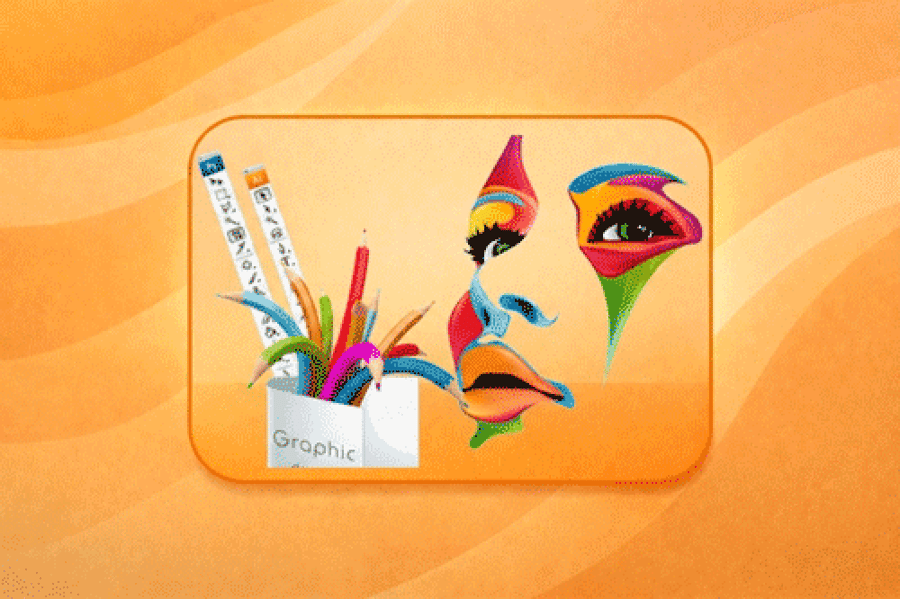
Training bag - basics of logo design and building visual identity
149ر.س
249ر.س-40%Product description
The professional logo design program focuses on providing trainees with the technical knowledge and practical skills necessary to create unique and impactful logos. The program aims to enable participants to integrate the philosophy of colors, the art of simplicity, and modern digital techniques to produce logos and icons that accurately align with the identity of business activities and meet the requirements of digital and print use in the contemporary job market. ⏳ The timeline Total time: 12 focused training hours. Number of days: 3 training days (4 training hours each day). 🎯 The purpose of the program and the target audience 🎨 Graphic designers and beginners: those seeking to master logo design and develop visual and creative thinking skills. 👨🏫 Trainers and supervisors: those wishing to acquire a specialized training kit to train interested individuals on digital arts techniques through professional design fundamentals. 💼 Startup owners and entrepreneurs: those wanting to understand the mechanisms of building their business identities and choosing suitable colors and symbols for their audience. 📱 Digital content creators: those interested in creating distinctive visual identities for their accounts, channels, and online platforms. 🖌️ Calligraphers and visual artists: those aiming to merge traditional arts with digital techniques to produce contemporary and innovative logos. ✅ The objectives of the training program This creative program aims to achieve tangible outputs that ensure the trainee can: ✨ Gain deep knowledge of the fundamentals of logo design and its evolution over time. 🎨 Apply principles of choosing the right colors and utilizing their psychology based on the nature of the activity and target audience. 💻 Use basic digital programs and tools professionally to produce and export logo prototypes. 🚀 Develop the creative and visual skills necessary to turn mental ideas into lively visual symbols. 📈 Employ professional methods and tools to design a comprehensive logo that meets the real identity requirements. ⚙️ Interpret and analyze the impact of modern technology and artificial intelligence tools on the future of logo design. 📐 Build and design a professional comprehensive logo that complies with digital and print display standards and global metrics. 📑 The program modules (training units) Unit One: Introduction to logo engineering and design 📐 Technical foundation: how logos have evolved throughout history and transformed into dense symbolic icons. Color psychology: selecting the right colors for the logo and how to coordinate them based on the fundamentals of color theory. Review of basic logo design programs (such as Adobe Illustrator) and their technical differences. Unit Two: Skills of a professional logo designer 🖌️ Basic skills and artistic traits required for a successful logo designer. Study of various logo design methods (from paper sketches to digital vectors). Key tools and technological accessories for designing high-resolution professional logos. Useful tips and guidelines for designers to avoid repetition and falling into imitation, and rules of artistic critique for designs. Unit Three: Technology and business identity 💻 Analyzing the impact of modern technology and digitization on contemporary logo design methods. The "Less is More" principle: the art of simplicity and minimalism in global logo design. The comprehensive guide and practical steps for designing customized logos for business activities and e-commerce stores. Review of logo design types (typographic, symbolic, combined, and monogram). ❓ Frequently Asked Questions (FAQ) About the program What is the importance of studying the evolution of logos before starting actual design? 📜 Studying how logos have evolved provides the designer with a historical perspective and a deep understanding of how visual forms have been simplified over time, helping to create flexible logos that last for many years. How do colors affect the success and acceptance of a logo by the audience? 🎨 Colors carry immediate psychological messages; blue symbolizes trust, red symbolizes passion and movement; thus, learning how to choose the correct logo colors ensures the message of the activity reaches the target audience accurately without mediation. Does the program require prior knowledge of hand drawing? ✏️ No, it does not; the program focuses on digital logo design methods and the use of modern software tools that help convert geometric shapes and simple ideas into professional logos. Why has "the art of simplicity" become the prevailing trend in logo design? ✨ Simple logos are easier for consumers to remember and recognize, and they display clearly on smartphone screens and small icons, which is covered in the comprehensive logo design guide in the third unit. Does the development of technology and artificial intelligence negatively affect the profession of logo designers? 🤖 Technology is a helpful tool that increases production speed; the program reviews the impact of technology to teach you how to utilize these tools as the most important tools for designing a professional logo, while maintaining your unique human creative touch. How does this program help me in the actual job market? 💼 The program not only provides theoretical material but also offers practical steps to design a comprehensive logo that aligns with the identity of a real business activity, enabling you to start offering your services efficiently in the freelance market or companies. ⏳ The timeline Total time: 12 focused training hours. Number of days: 3 training days (4 training hours each day). ✅ Some useful kits: 🎓 Trainer Training Kit (TOT) This kit is the cornerstone for anyone seeking to master the art of presentation and influence; it focuses on preparing competent trainers to analyze training needs and design kits scientifically, with mastery of body language skills and dealing with different trainee types. 🤖 Fundamentals of Artificial Intelligence An exploratory journey into the future world, reviewing core concepts of artificial intelligence and how to harness its techniques to improve work and automation, giving the trainee a competitive edge in the rapidly evolving digital job market. 🎤 Effective Training This module focuses on breaking the stagnation in training halls by reviewing methods that ensure the highest levels of participation and interaction, transforming the educational process from mere lecturing into an engaging experience that leaves a lasting impact on the recipient. 📝 Electronic Assessment Design This section covers modern tools and methodologies for building accurate and fair digital evaluation tools, focusing on question formulation and automated result analysis, saving time and effort and ensuring precise educational measurement. 🛡️ Introduction to Cybersecurity In the age of data, protection becomes a priority; this section raises awareness of digital risks and how to protect personal and organizational information from breaches, serving as a security shield for all technology users. 📑 E-learning Strategies This section reviews the latest models of remote and blended learning, and how to design stimulating virtual learning environments based on active learning, ensuring high-quality continuous education and overcoming geographical barriers. 🧠 Critical Thinking Skills in Teaching This is not just a skill but a way of life; this section focuses on enabling teachers and trainers to instill questioning and analytical thinking in students, moving away from rote learning toward logical thinking and problem-solving. 💻 Managing Virtual Classrooms and Labs It covers the organizational and technical aspects of managing groups in the digital space, from choosing suitable platforms to controlling interaction and managing technical tools to ensure smooth and disciplined training sessions.

From Makkah Province