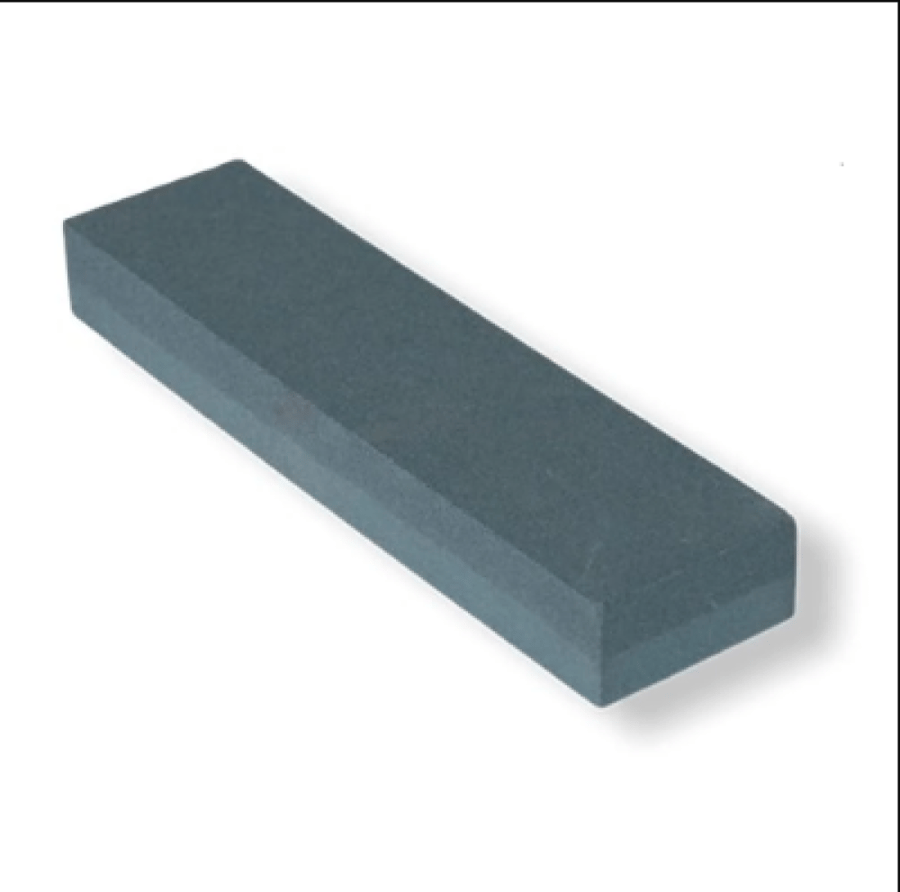
Aged stone, knife, Abu Kurt
6.50ر.س
Product description
Specifications Material: Usually made of synthetic abrasive materials such as aluminum oxide or silicon carbide. Double-sided (dual grit): Features two sides with different roughness levels: The coarse side: Usually between 200 and 600 grit, used to repair damaged edges and restore very dull blades. The fine side: Usually between 1000 and 8000 grit, used for fine honing and polishing the blade to achieve a very smooth and sharp edge. Shape and size: Available in different sizes, one common size is 150×50×25 mm. Accessories: Sometimes comes with a non-slip rubber base for safety during use. Usage method Preparation: Before use, soak the stone in water for 10-15 minutes until fully saturated (air bubbles appear). Place the stone on a flat and stable surface, preferably using a non-slip base. Sharpening (coarse side): Start with the coarse side of the stone (lower grit number). Hold the knife at an angle of about 15 to 20 degrees with the stone surface. Draw the blade across the stone with a smooth motion from the heel to the tip, maintaining a fixed angle and applying light to moderate pressure. Repeat several times on each side of the blade until the basic edge is restored. Polishing and smoothing (fine side): Flip the stone to the fine side (higher grit number). Repeat the same drawing process while maintaining the angle, but with lighter pressure, to smooth and polish the edge. Cleaning: After finishing, wash the knife manually with warm water and soap to remove any metal residues, then rinse and dry immediately. Clean the stone with water and a brush to remove iron filings, then let it dry completely before storing. Warnings Personal safety: Handle knives with extreme caution during and after sharpening to avoid injury, and always focus on the task at hand. Water or oil only: Do not use water and oil together on the same stone; choose only one based on the type of stone (most modern stones are designed for use with water). Proper pressure: Avoid applying excessive force during sharpening, as this may damage the blade edge or change the sharpening angle. Flattening the stone: With repeated use, the surface of the stone may become uneven. Use another flattening stone or a rough surface (such as wet cement) periodically to level its surface for consistent sharpening results. Storage: Be sure to store the stone completely dry after use to prevent cracking or mold growth. Surface stability: Always ensure the stone is securely fixed on a stable surface to prevent dangerous slipping during sharpening.

Questions you might have