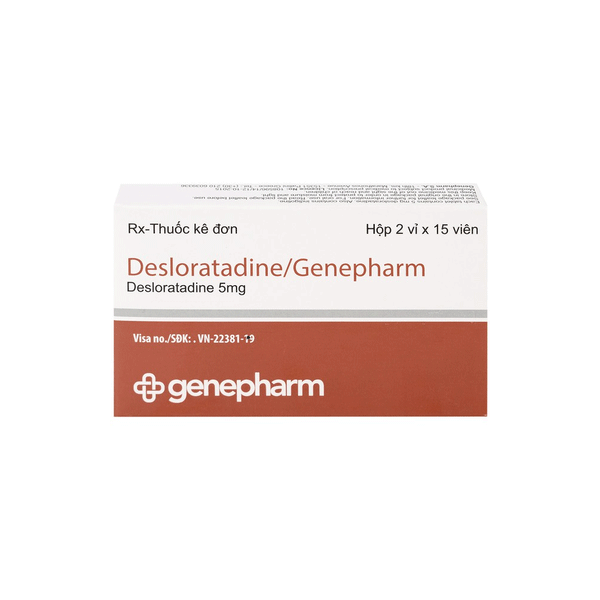
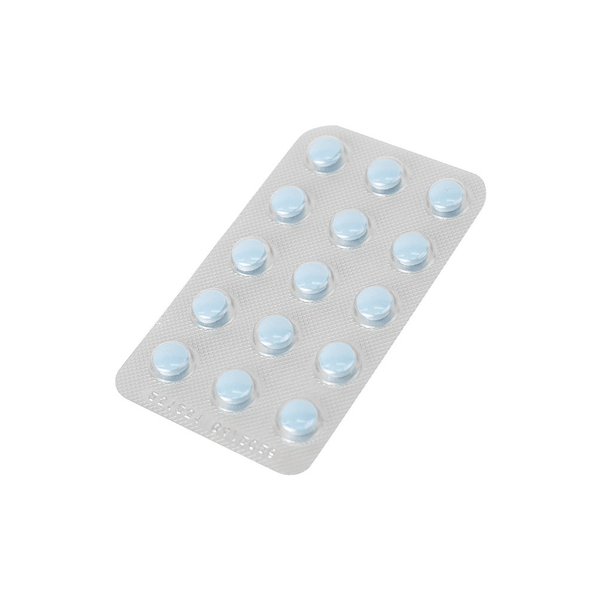
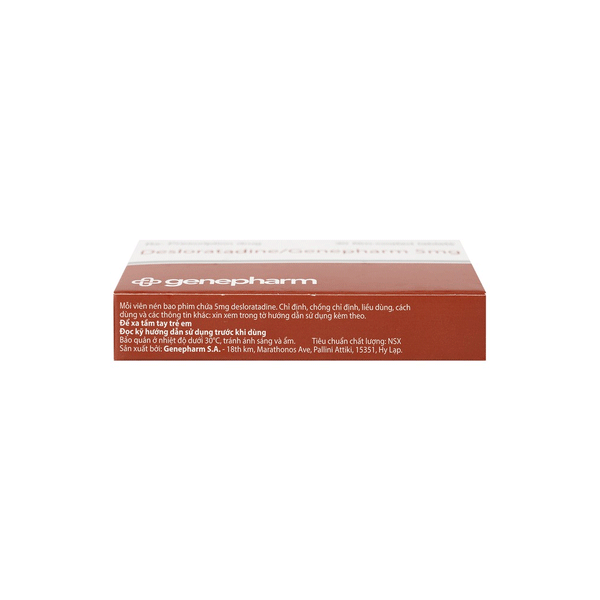
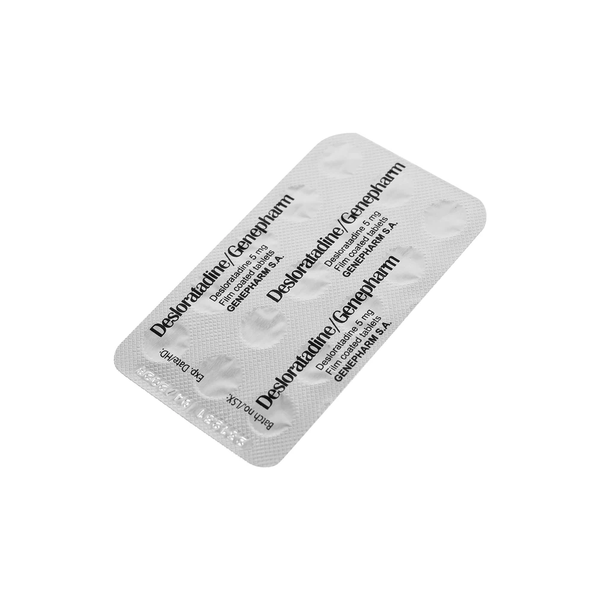
Genepharm Desloratadine 5mg Tablet 30
16.75ر.س
Product description
Ingredients
Each film-coated tablet contains
Active substance: Desloratadine 5 mg.
Excipients: Microcrystalline cellulose (E460), pregelatinized maize starch, magnesium stearate, colloidal anhydrous silica, Opadry blue 03A30735 (contains hydroxypropyl methylcellulose, titanium dioxide E171, microcrystalline cellulose, stearic acid, indigotine E132).
Uses
Indications
Desloratadine is used in adults and adolescents aged 12 years and over for the relief of the following symptoms:
Allergic rhinitis
Urticaria
Pharmacodynamics
Mechanism of action
Desloratadine is a long-acting, non-sedating antihistamine with selective H1-receptor antagonist activity. After oral administration, desloratadine selectively blocks peripheral H1-receptors because the active substance cannot enter the central nervous system. Desloratadine has demonstrated antiallergic activity in in vitro studies. This includes inhibition of the release of cytokines such as IL-4, IL-6, IL-8, and IL-13 from human mast cells and basophils, as well as inhibition of P-selectin adhesion to endothelial cells. The clinical significance of these observations remains to be confirmed.
Clinical Effects and Safety
In clinical trials at doses up to 20 mg of desloratadine given daily for 14 days, no statistically or clinically significant cardiovascular effects were observed. In a pharmacology clinical trial, desloratadine was given at a dose of 45 mg daily (9 times the usual dose) for 10 days, and no prolongation of the QTc interval was observed. No clinically relevant changes in desloratadine plasma concentrations were observed in drug interaction trials when desloratadine was given with ketoconazole and erythromycin. Desloratadine does not enter the central nervous system at all. In a controlled clinical trial, the group taking the usual dose of 5 mg daily did not have a higher incidence of drowsiness than the group taking placebo. A single daily dose of desloratadine 7.5 mg did not affect psychomotor performance in clinical trials. In a single-dose study in adults, desloratadine 5 mg did not affect standard measures of flight performance including drowsiness or flight-related tasks. In clinical pharmacology trials, concomitant use of desloratadine and alcohol did not increase alcohol-induced behavioral impairment or increase sleepiness. No statistically significant differences in psychomotor test scores were observed between the desloratadine and placebo groups. Whether taken alone or with alcohol, desloratadine is effective in relieving symptoms such as sneezing, runny nose, and nasal itching, as well as itchy, teary, red, and itchy eyes and mouth in patients with allergic rhinitis. The effect of desloratadine in controlling these symptoms persists for 24 hours. For children
The efficacy of desloratadine tablets has not been demonstrated in trials in adolescent patients aged 12 to 17 years. In addition to seasonal and perennial classifications, allergic rhinitis can be alternatively classified as intermittent allergic rhinitis and perennial allergic rhinitis based on the duration of symptoms. Intermittent allergic rhinitis is when symptoms occur less than 4 days per week and last less than 4 weeks. Persistent allergic rhinitis is when symptoms occur 4 or more days per week and last more than 4 weeks. Desloratadine was effective in reducing the burden of seasonal allergic rhinitis as measured by the Rhinoplasty-Related Quality of Life Survey score. The greatest improvement was observed in the domains related to usual problems and daily activities limited by symptoms. Chronic idiopathic urticaria has been studied as a clinical model for urticaria, because the basic pathophysiology is the same, regardless of the cause, and because chronic patients can recover easily. Because histamine release is the causative agent of all types of urticaria, desloratadine is effective in providing symptomatic relief in urticaria other than chronic idiopathic urticaria and is recommended in clinical guidelines. In two placebo-controlled studies in patients with chronic idiopathic urticaria over 6 weeks, desloratadine reduced pruritus, hive size, and number 1 day after initiation of treatment. In each trial, this effect persisted for more than 24 hours between doses. In another clinical trial of antihistamines in chronic idiopathic urticaria, a small number of patients showed no response to antihistamines. Improvement in pruritus was seen in 50% of patients, including 55% of patients treated with desloratadine and 19% of patients receiving placebo. Desloratadine treatment also significantly reduced interference with sleep and daytime physiological function, a four-point scale used to assess this effect.
