Al-Haram Seeds 50 Seeds
6ر.س
Product description
Guide to cultivating the seeds of the Hirmal Hirmal
A desert plant, strong, tolerant of harsh conditions, and has many uses in traditional medicine and decoration. Its seeds are easy to germinate and require simple care.
Plant description
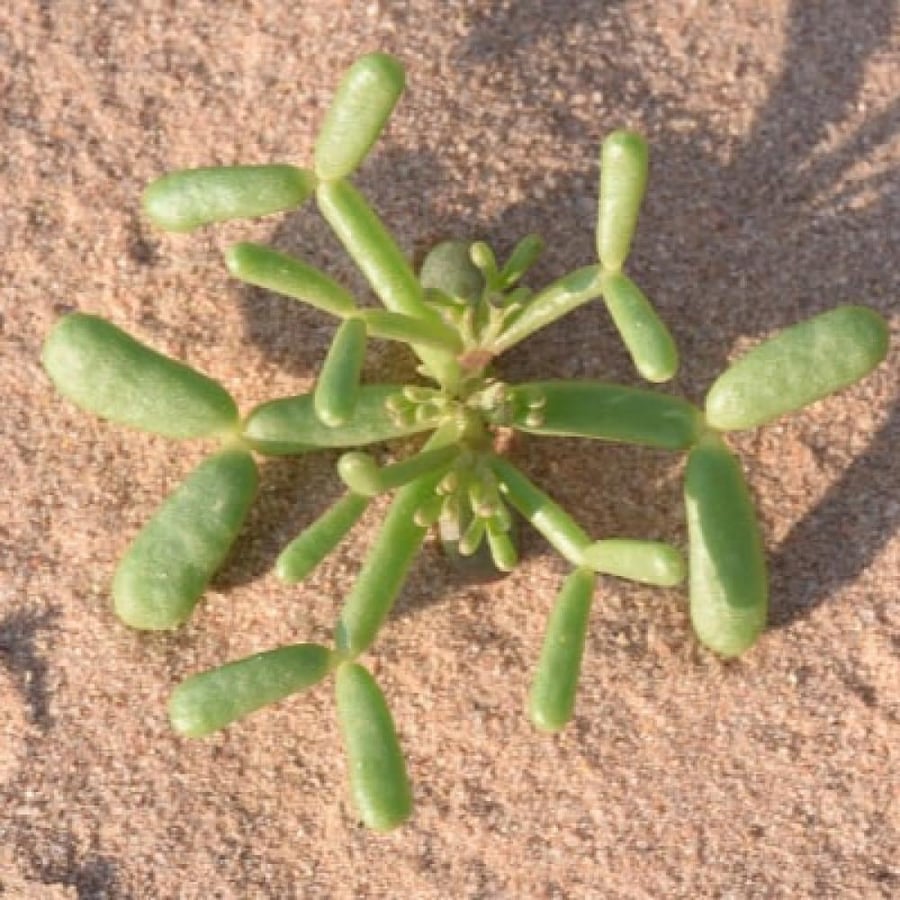
Appearance: a small shrub, with small grayish leaves, and yellow flowers with a fragrant smell.
Habitat: spread in desert and dry areas.
Adaptation: tolerates drought and extreme heat, and grows in sandy and rocky soil.
Benefits of the Hirmal plant
Medical uses: used in traditional medicine to treat many diseases such as cough and rheumatism.
Environmental uses: helps stabilize sandy soil and prevents erosion.
Decorative: used in garden and rock decoration.
Growing Hirmal seeds
Best time to plant: it is preferable to plant Hirmal seeds in spring after rainfall.
Soil: prefers well-drained sandy soil.
Watering: Hirmal does not need much water, but requires regular watering during early growth.
Fertilization: Hirmal does not need fertilizer, as it adapts to poor soil.
Planting steps
Soil preparation: loosen the soil well and remove weeds and stones.
Seed scattering: scatter the seeds on the soil surface and cover them with a thin layer of soil.
Watering: water the soil immediately after planting, then repeat regularly.
Care: Hirmal does not need special care after germination.
Additional tips
Pruning: it is preferable to prune the plant after flowering to ensure better growth.
Propagation: Hirmal propagates by seeds.
Uses: the leaves and roots of Hirmal are used in traditional medicine.
Illustrative pictures
Important notes
Precautions: consult a doctor before using Hirmal for medical purposes.
Collection: gather the plant in a clean environment away from pollution.
Drying: parts of the plant can be dried and used later.
Hirmal is a priceless natural treasure, and can be used in many fields. Cultivating it in desert areas helps combat desertification and improve the environment.
