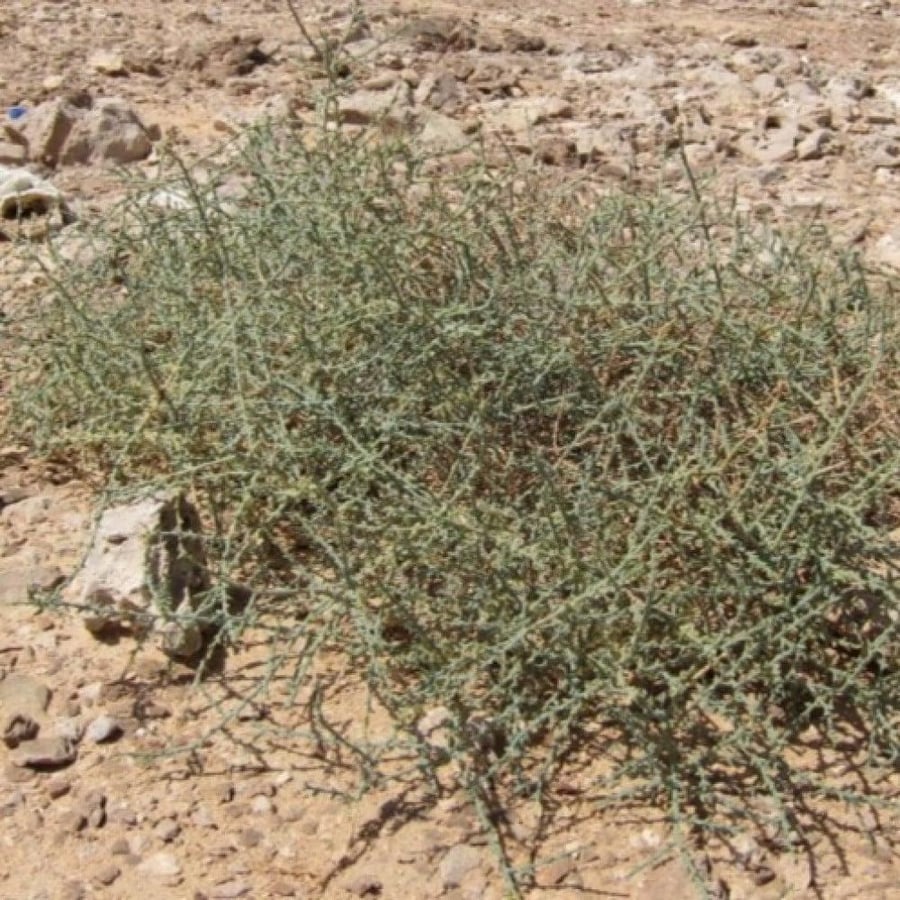
Seeds of the herb Al-Tahyan or Al-Hadida, 50 seeds
6ر.س
Product description
Seeds of the herb Al-Tayhan or Al-Hadida: treasures of the desert
Herb Al-Tayhan or Al-Hadida is a strong desert plant that withstands harsh conditions, with a long history of medicinal and environmental uses. The seeds of this herb carry many benefits and are considered a real treasure of the desert.
Plant description
Appearance: A small shrub, with small grayish leaves, and yellow flowers with a fragrant smell.
Habitat: Found in desert and dry areas, especially in the Arabian Peninsula.
Adaptation: Tolerates drought and extreme heat, and grows in sandy and rocky soil.
Benefits and uses
Medical uses:
Anti-inflammatory: Helps reduce various inflammations in the body.
Antioxidant: Protects cells from damage caused by free radicals.
Antimicrobial: Effective against bacteria and fungi.
Nerve calming: Helps relieve stress and anxiety.
Environmental uses:
Desertification control: Helps stabilize sandy soil and prevent erosion.
Insect repellent: Used to protect dates and grains from insects.
Other uses:
Animal feed: The herb’s leaves are used as animal feed during droughts.
Fuel: The dry branches are used as fuel.
Cultivation of Al-Tayhan seeds
Best time for planting: It is preferable to plant the seeds in spring after rainfall.
Soil: Prefers well-drained sandy soil.
Irrigation: Al-Tayhan does not need much water but requires regular watering during early growth.
Fertilization: Does not need fertilizer, as it adapts to poor soil.
Planting steps
Soil preparation: Loosen the soil well and remove weeds and stones.
Sowing seeds: Scatter the seeds on the soil surface and cover lightly with soil.
Irrigation: Water immediately after planting, then repeat regularly.
Care: Al-Tayhan does not require special care after germination.
Harvesting and uses
Harvesting: Leaves and flowers are harvested as needed.
Uses: The leaves and flowers can be used fresh or dried.
A decoction can be prepared from the leaves to treat some health issues, or oil extracted from the plant can be used for skin and hair care.
Important notes
Precautions: Consult a doctor before using Al-Tayhan for medical purposes.
Collection: Collect the plant in a clean environment away from pollution.
Drying: The leaves and flowers can be dried and used later.
Al-Tayhan is a priceless natural treasure and can be used in many fields. Cultivating it in desert areas helps combat desertification and improve the environment.
I hope this information is useful to you.
