Sammer seeds 1 kilogram
300ر.س
Product description
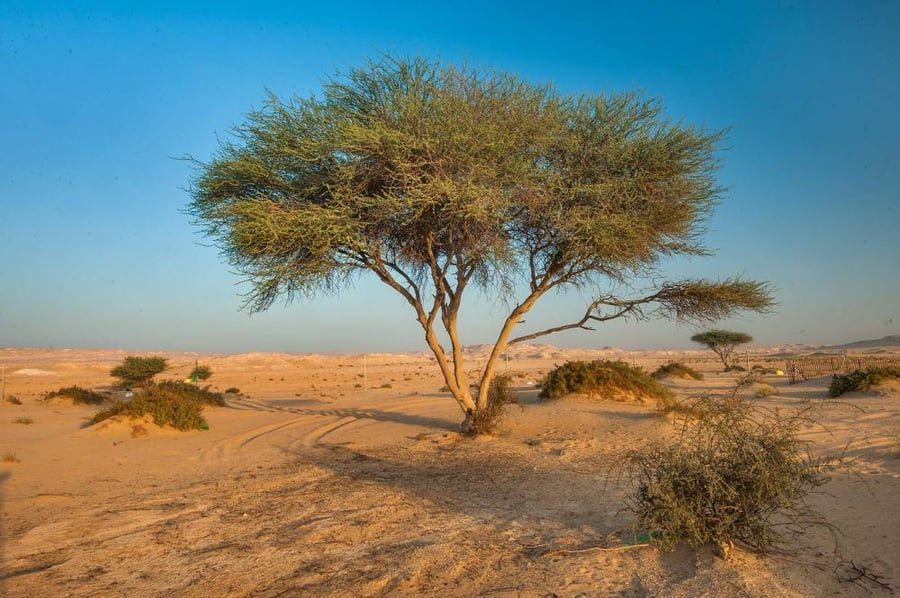
Agricultural description of the Sidr seed product. Sidr seeds are natural seeds extracted from the famous Sidr tree, which is a native tree that grows extensively in the desert and dry regions of Saudi Arabia. Sidr trees are known for their high adaptability to harsh climatic conditions and their numerous environmental and agricultural benefits, making them an ideal choice for sustainable farming and environmental improvement.
Characteristics of Sidr seeds:
Endure harsh conditions: Sidr seeds are characterized by their ability to germinate and grow in environments with high temperatures and limited water.
Drought resistance: Sidr trees resulting from these seeds consume minimal water, making them suitable for cultivation in arid areas.
Environmental productivity: Sidr trees contribute to soil stabilization and prevent erosion, in addition to providing shade and environmental protection.
Multiple benefits: Sidr leaves and flowers are used as bee feed to produce high-quality Sidr honey, and they are also used as a natural grazing source.
Planting times for Sidr seeds in Saudi Arabia:
Optimal planting period: Sidr seeds are planted during the rainy season, which usually extends from October to December in most regions of the kingdom. This period ensures sufficient moisture for the seeds to germinate naturally.
Suitable areas: Sidr seeds are planted in desert and semi-desert areas such as Najd, Hejaz, and the southern region, where conditions are ideal for the growth of these trees.
Planting method:
Soil preparation: The soil is cleared of weeds and rocks, and it is preferable to plant the seeds in light, well-draining soil.
Planting: Seeds are planted at a depth of 1-2 cm.
It is recommended to leave a distance of 3-4 meters between each seed to ensure healthy tree growth.
Irrigation: Relying on natural rainfall is preferred, but supplementary irrigation can be used during the early growth stages when rainfall is scarce.
Care: Small seedlings should be protected from overgrazing or any external damage.
The trees require simple pruning during early growth stages to strengthen the roots.
Benefits of Sidr cultivation:
Environmental: Reducing desertification.
Air purification and increasing green spaces.
A natural source: Producing Sidr honey.
Providing grazing food.
Traditional uses: Sidr wood is used in making traditional tools and firewood.
The Sidr seed product is a sustainable agricultural investment and an ideal choice for those seeking to improve the environment and increase productivity in dry and desert areas.
