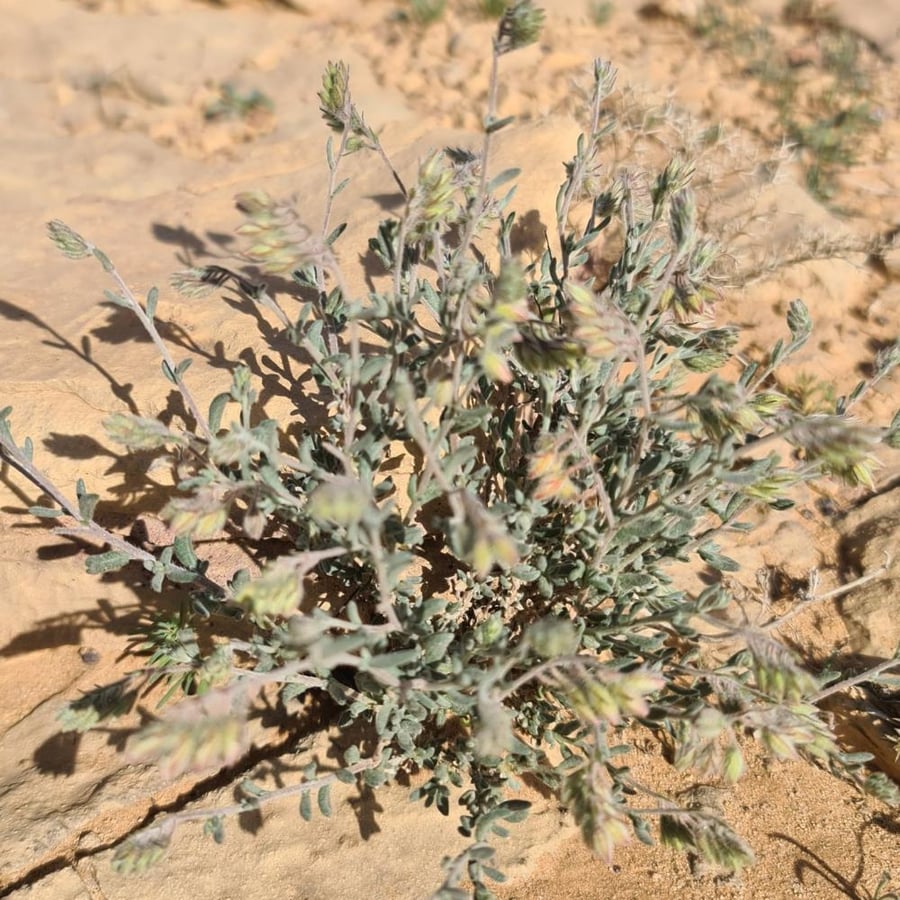
Ruqruq seeds 50 seeds
6ر.س
Product description
Ruqruq seeds, also known as Qasees or Truffle Herb, hold great importance in agriculture and traditional medicine. They have a symbiotic relationship with truffle (Faggot), where their presence helps the growth of the Faggot. In this section, we will detail information about Ruqruq seed cultivation. Basic information about the Ruqruq plant: Description: Perennial herbaceous plant, with small, rectangular leaves. Native habitat: Found in dry and semi-dry areas, such as the Levant, the Arabian Peninsula, and the Mediterranean Basin. Uses: Truffle cultivation: Ruqruq is a natural host for the truffle fungus, aiding its growth and proliferation. Animal feed: Its leaves and seeds contain valuable nutrients for animals. Traditional medicine: Used in some cultures to treat certain diseases. Ruqruq seed cultivation: Best time for planting: It is preferred to plant Ruqruq seeds in spring or autumn, after rainfall. Soil: Preferably alkaline, well-drained, and rich in organic matter. Watering: The planted seeds need regular watering to keep the soil moist until germination. Fertilization: The use of chemical fertilizers is not recommended, as they can negatively affect the growth of the truffle fungus. Propagation: Mainly through seeds. Steps for planting Ruqruq seeds: Soil preparation: Prepare the soil by digging and thoroughly loosening it. Seed scattering: Due to the small size of the seeds, it is preferable to mix them with fine sand and evenly scatter them on the soil surface. Watering: Water the soil immediately after scattering the seeds, then repeat regularly to maintain soil moisture. Covering: The planted area can be covered with a thin layer of straw or dry leaves to retain soil moisture and temperature. Waiting: The seeds will start to germinate after several weeks, depending on climatic conditions. Caring for the Ruqruq plant: Watering: Gradually reduce watering after germination, as the plant becomes able to withstand drought. Weed removal: Remove weeds growing around the Ruqruq plant, as they compete for water and nutrients. Protection from pests and diseases: Regularly check the plant to ensure it is free from pests and diseases. The relationship between Ruqruq and the truffle: Ruqruq and the truffle fungus live in a symbiotic relationship, where each benefits from the other. Ruqruq provides the fungus with organic material needed for growth, while the fungus helps the Ruqruq plant absorb water and nutrients from the soil. Truffles can only be obtained from lands where the Ruqruq plant grows. Important notes: Patience: Producing truffles is a long process that can take several years. Climatic conditions: The climate must be suitable for the growth of both Ruqruq and the fungus. Soil: The quality of the soil plays a crucial role in the success of Ruqruq and truffle cultivation.
