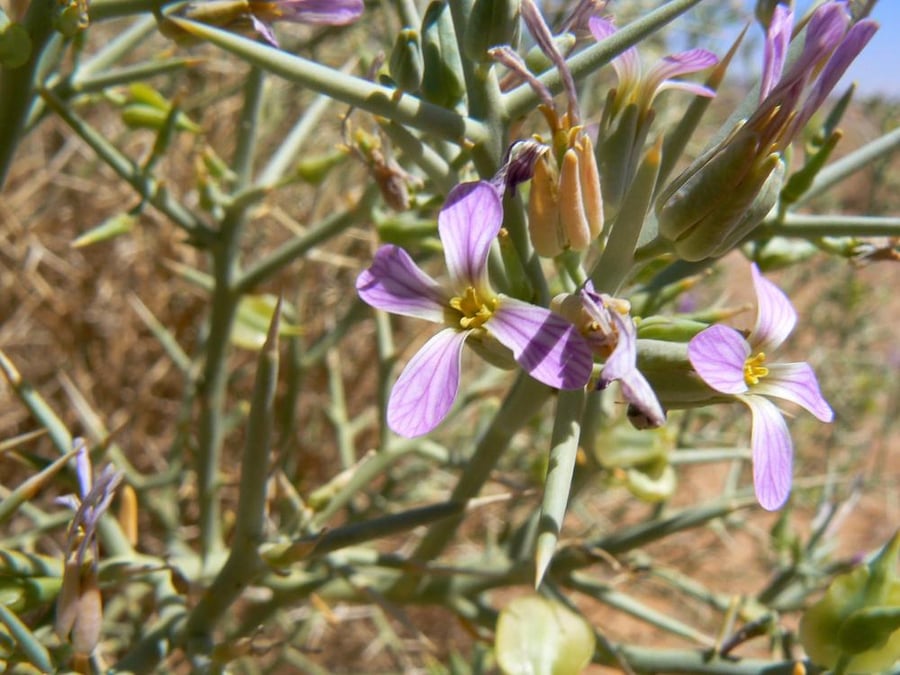


Shibram seeds
500ر.س
Product description
The Shibram tree
The Shibram tree is a strong desert tree characterized by its ability to withstand harsh conditions and drought. It is used in many fields, including traditional medicine and craft industries.
Basic information about the Shibram:
Scientific name: varies depending on the species, but it usually belongs to the genus Prosopis.
Description: spiny tree, its leaves are compound with feathery leaflets, and its flowers are small and green or yellow.
Uses: its wood is used for fuel and construction, its fruits are used as animal feed, and it has medicinal uses.
How to plant Shibram seeds:
Seed preparation:
Soaking: soak the seeds in hot water for 24 hours before planting to activate them.
Cracking: slightly break the outer shell of the seed to help the embryo exit.
Soil:
Type: prefers well-drained sandy soil, but adapts to different soil types.
Preparation: prepare the soil by digging small holes of appropriate depth for the seeds.
Planting:
Depth: plant the seeds about 1-2 cm deep.
Spacing: leave enough space between each seed to allow sufficient room for growth.
Watering: water the seeds immediately after planting and regularly to maintain soil moisture.
Seedling care:
Light: needs direct sunlight.
Watering: water the seedlings regularly, but avoid overwatering to prevent root rot.
Fertilizing: fertilize the seedlings with a balanced fertilizer once a month during the growing season.
Pruning: prune damaged or dead branches to improve the overall shape of the plant and encourage growth.
Additional tips:
Propagation: Shibram can also be propagated by cuttings.
Pests and diseases: the Shibram tree is generally strong and resistant to pests and diseases.
Other uses: in addition to decoration, Shibram is used to stabilize sandy soil and provide shelter for animals.
Benefits of planting Shibram:
Endures harsh conditions: tolerates drought and high temperatures.
Fast growth: grows quickly and reaches a large size in a short time.
Low maintenance: does not require special care.
Suitable for dry areas: ideal for regions suffering from water scarcity.
Note: some details about planting Shibram may vary depending on the species, region, and climate. Therefore, it is recommended to consult local farmers or agricultural experts before starting planting.
Important note: some parts of the Shibram plant may be toxic, so caution should be exercised when handling it, especially when children or pets are present.
