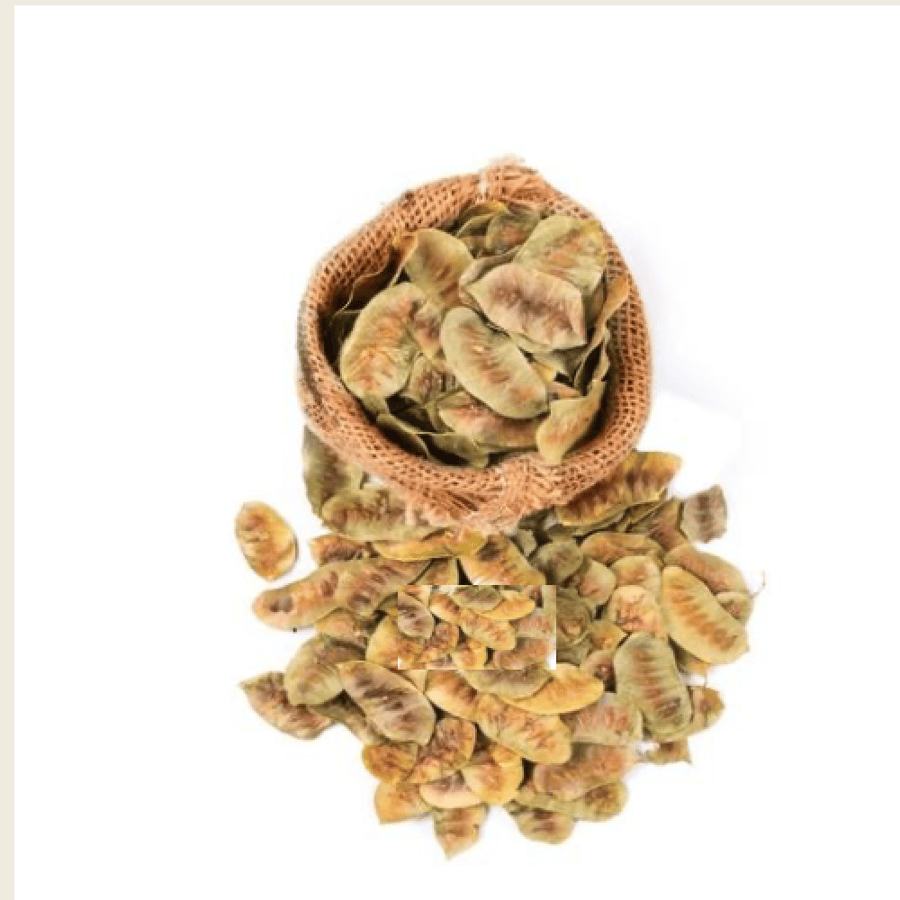
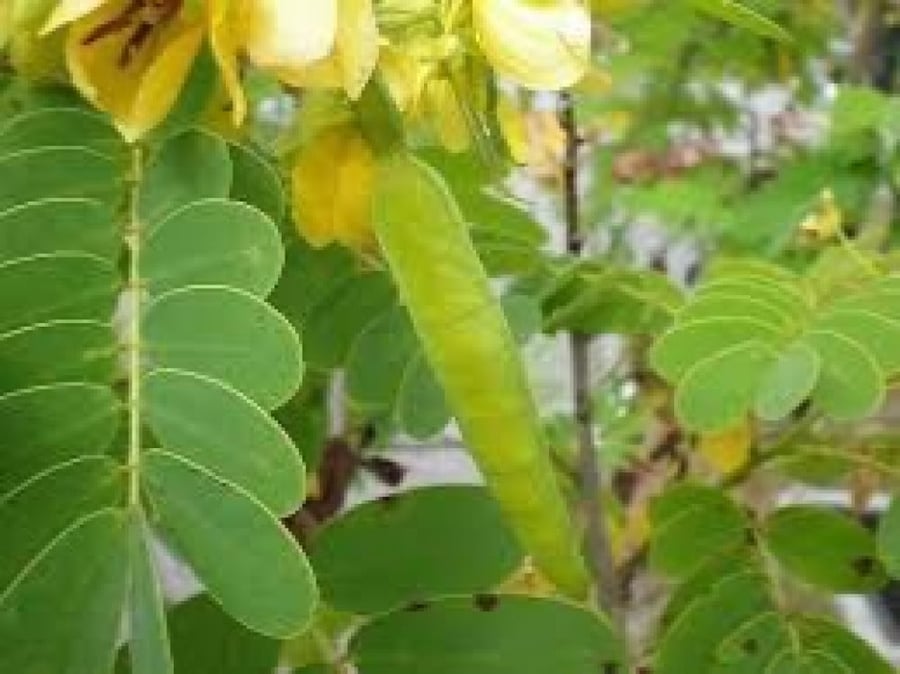
Sana Makki 50 seeds
9ر.س
Product description
Snamaki: a natural plant with many benefits
Snamaki is an herbaceous plant known for its health benefits, especially regarding regulating bowel movements and treating constipation. But, have you ever wondered how to cultivate this amazing plant? Let’s explore together the world of Snamaki cultivation.
Snamaki cultivation: a simplified guide
1. Choosing the seeds:
Quality: Make sure to obtain high-quality and fresh seeds.
Variety: There are different types of Snamaki, so select the type suitable for your climate zone.
2. Preparing the soil:
Aeration: The soil must be well-aerated to allow the plant’s roots to grow properly.
Fertility: Add some organic fertilizer to increase soil fertility.
Watering: Keep the soil moderately moist, but avoid waterlogging.
3. Planting the seeds:
Depth: Plant the seeds at a depth of about 1-2 cm in the soil.
Spacing: Leave enough space between each seed to prevent crowding.
Watering: Water the seeds immediately after planting.
4. Caring for the plant:
Watering: Maintain regular soil moisture, especially during summer.
Fertilizing: Fertilize the plant periodically with organic fertilizer.
Pruning: Regularly prune the plant to maintain its shape and increase productivity.
Protection: Protect the plant from common pests and diseases.
Ideal conditions for Snamaki growth
Climate: Snamaki prefers warm and moderate climates.
Light: It needs full sunlight exposure.
Soil: Prefers well-drained sandy soil.
Harvesting and storage
Harvest: Snamaki leaves and pods are harvested when fully mature.
Drying: Dry the leaves and pods in a well-ventilated shaded area to preserve them longer.
Storage: Store the dried Snamaki in an airtight container away from moisture and heat.
Benefits of cultivating Snamaki
Medical uses: Snamaki is used to treat constipation and cleanse the colon.
Industrial uses: It is used in the manufacture of some medicines and medical preparations.
Decorative: Snamaki can be cultivated for ornamental purposes in gardens.
Important warnings
Internal use: Consult a doctor before using Snamaki internally, especially for children, pregnant women, and nursing mothers.
Note: The information provided in this text is for informational purposes only and should not be considered a substitute for medical advice.

Questions you might have