

Sandalwood seeds - Coral Forest (Adenanthera pavonina)
8ر.س
Product description
Common name: Coral Forest Sandalwood - Coral Santalum
Scientific name: Adenanthera pavonina
Other names: Red Sandalwood - Red Bead Tree
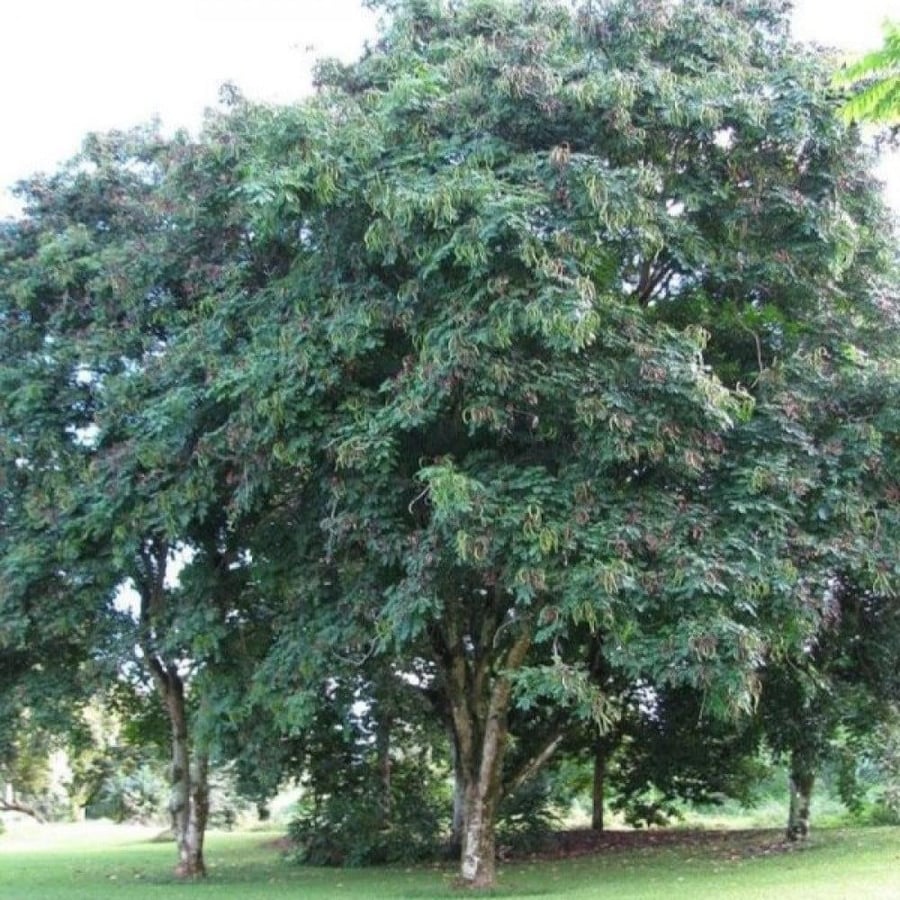
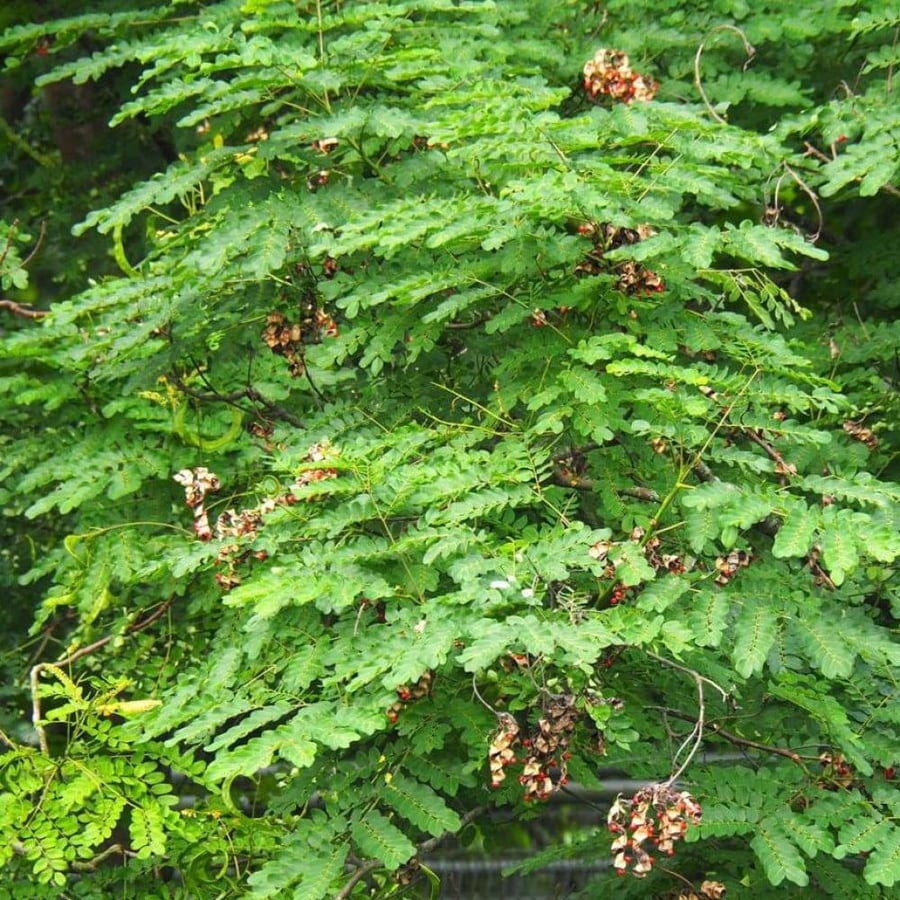
Deciduous, fast-growing, perennial tree with a gray bark trunk reaching up to 15 meters in height, with dense, oval-shaped leaves arranged in a shaded manner providing abundant shade, characterized by the scent of its bark and fragrant flowers. It is widely cultivated in East Asia where its wood is used as an alternative to sandalwood trees.
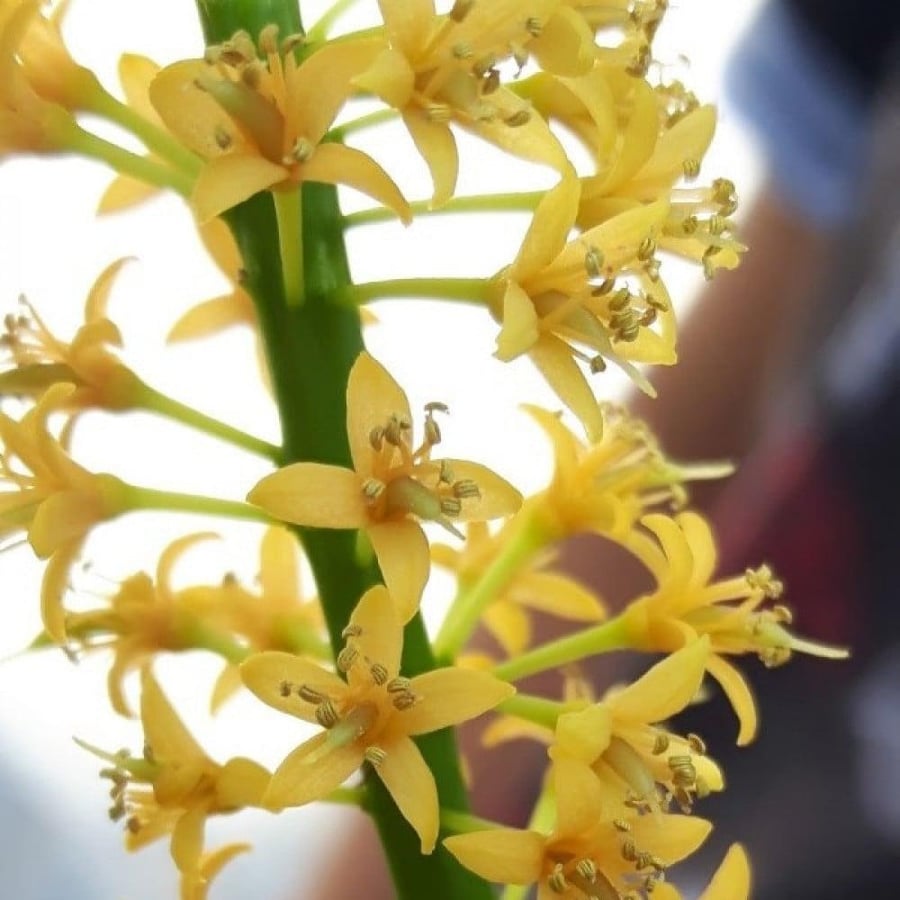
Flower of the Coral Santalum Tree - Coral Forest: Small yellow flowers with a pleasant scent, forming in conical clusters.
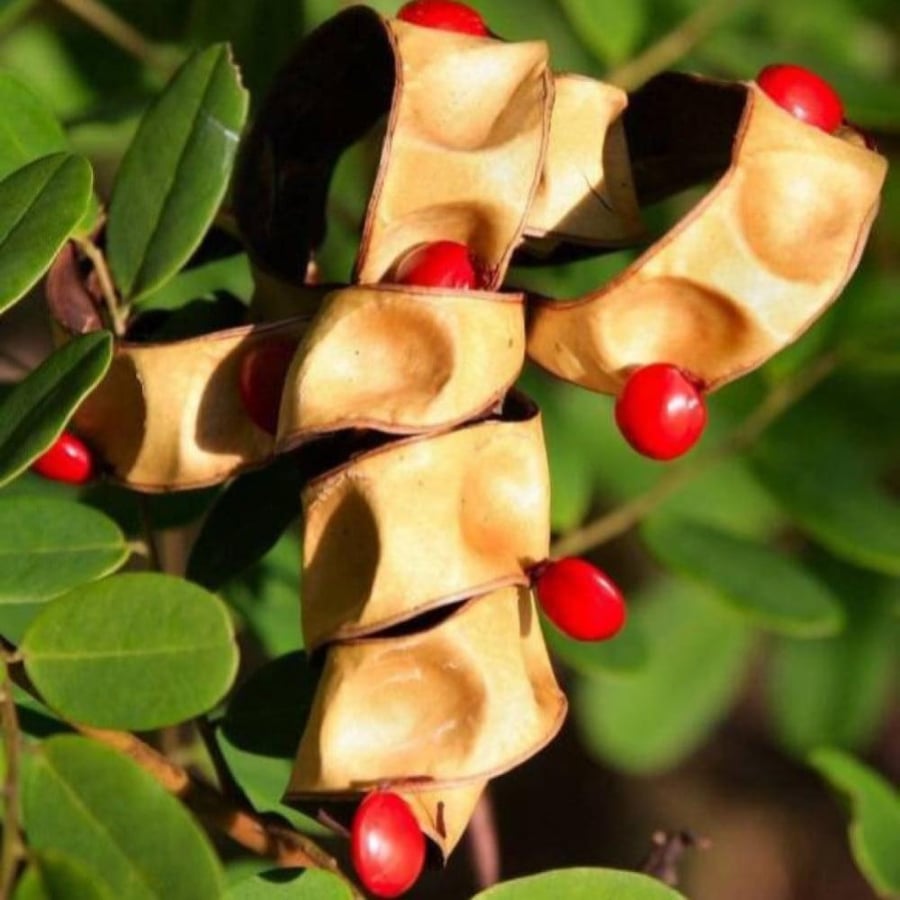
Seeds and fruit of the Coral Santalum Tree - Coral Forest: Its fruits are twisted pods containing smooth, red, beaded seeds.
Growing season of the Coral Santalum Tree - Coral Forest: It reproduces through suckers and seeds, which are preferably planted outdoors during the mild weather period in autumn and spring. It can also be cultivated year-round in agricultural reserves, enclosed spaces, or plastic environments where temperature can be controlled and sunlight or adequate lighting is available.
Suitable climate and soil for the Coral Santalum Tree - Coral Forest: It is a drought and heat tolerant tree with moderate resistance to cold, especially during early growth. It is planted in fertile to moderately fertile soil.
Method of cultivating the Coral Santalum Tree - Coral Forest: It reproduces by seeds planted at a depth of 1 to 2 cm and thrives with regular watering and fertilization.
Its benefits and uses: It is planted for decoration and shade in gardens and public places. It is also beneficial for nitrogen fixation in the soil, used as fodder, and has medicinal uses. Its seeds were historically used by jewelers and pharmacists in weighing, and as beads in making necklaces and bracelets.
Original habitat of the Coral Santalum Tree - Coral Forest: It is also densely cultivated in South American countries, India, and some East Asian countries.

From Buraydah
Questions you might have