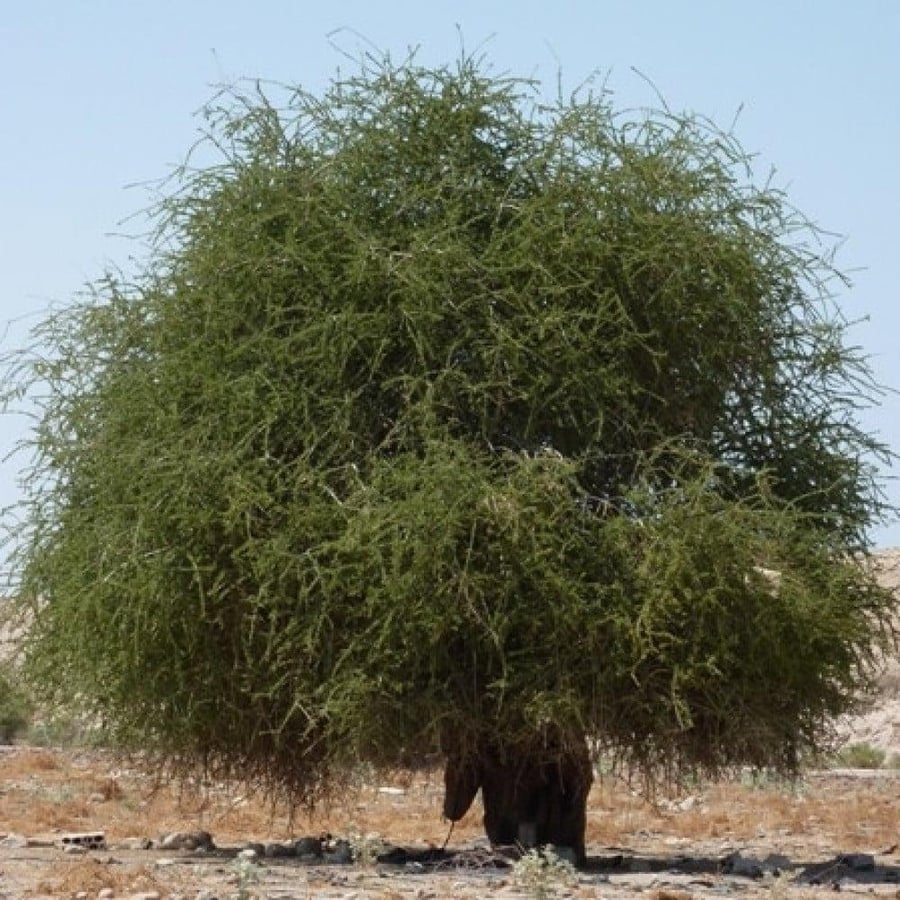


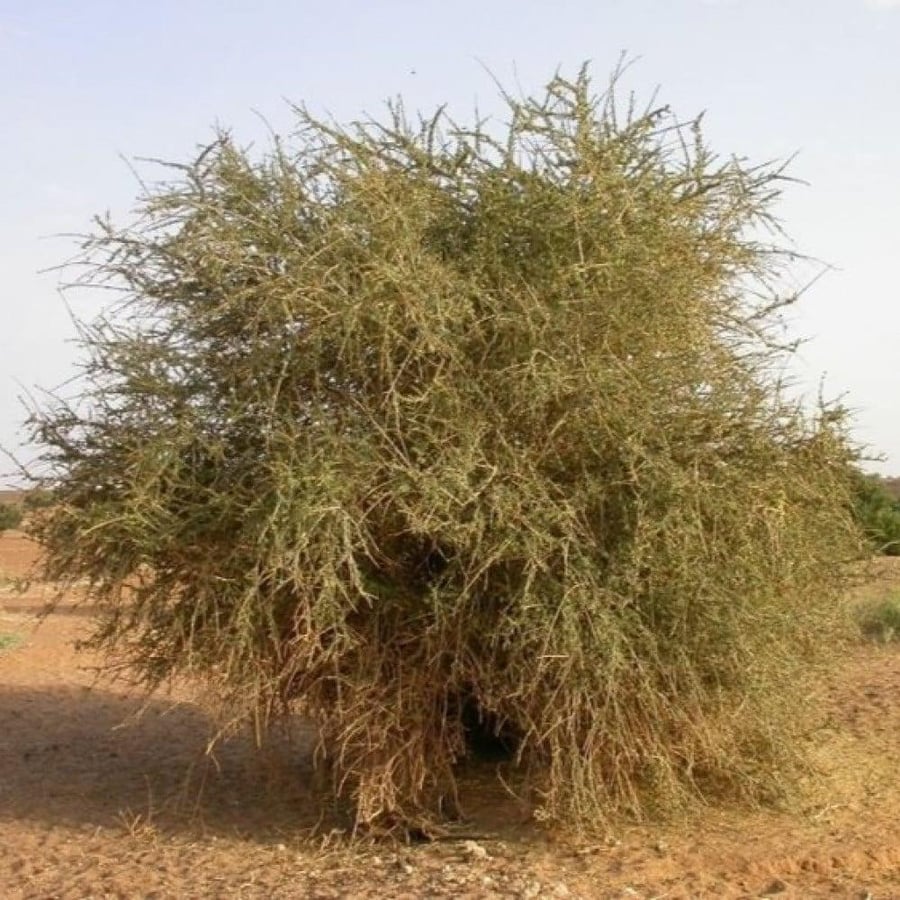

Seeds of the Surrh tree
6ر.س
Product description
Common name: Serehal tree
Scientific name: Maerua Crassifolia
Among its names: Muro or Miro tree - Desert umbrella
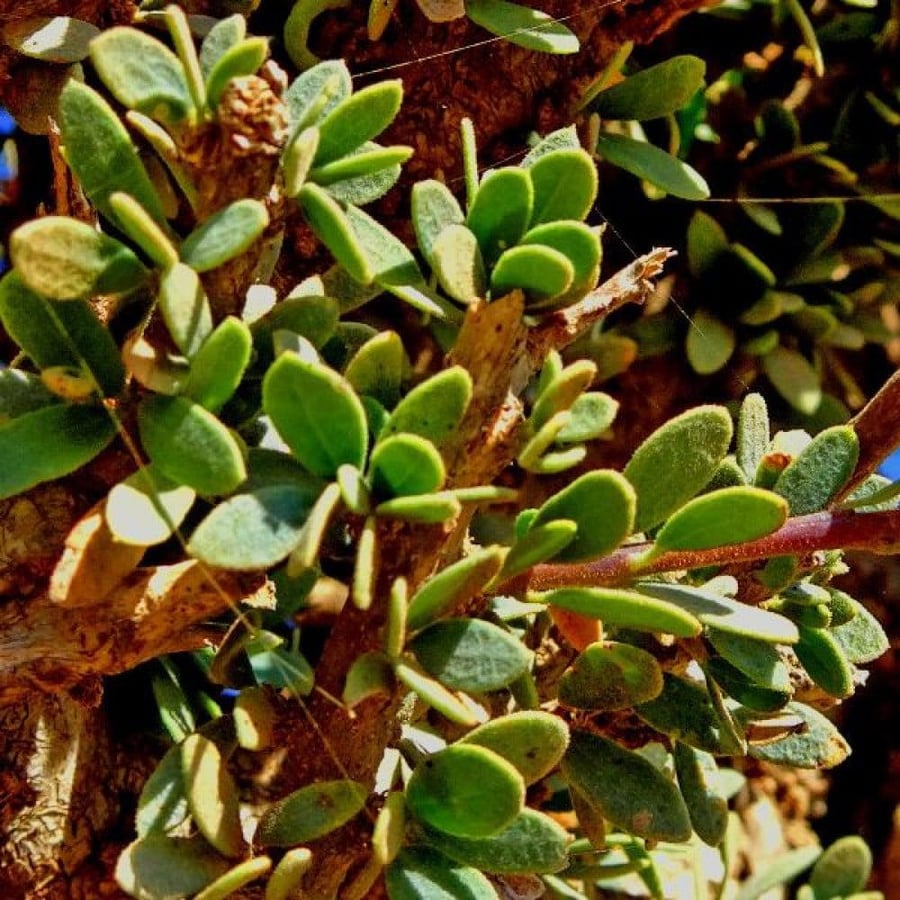
A wild, perennial, evergreen tree that exceeds 4 meters in height, with a solid trunk and dense branches, thick semi-oval leaves.
The Sereh or Miro tree is distinguished by its fragrant, honey-scented flowers that bees gather nectar from, and its abundant shade and thornless branches, which are used as livestock feed.
• Sereh tree flower:
Its flowers have no petals but multiple stamens and a fragrant scent. They are also honey-scented flowers that bees gather nectar from, blooming during the spring season.
• Fruit and seeds of the Sereh tree:
The fruits are cylindrical pods, up to 15 cm in size, containing seeds inside.
• Growing season for the Sereh tree:
It is planted in autumn and spring, and can also be cultivated throughout the year in moderate regions and climate-controlled agricultural reserves.
• Suitable climate and soil for the Sereh tree:
The Sereh tree tolerates frost, strong winds, high temperatures, and moderate salinity.
• How to cultivate the Sereh tree:
It is preferable to soak the seeds in warm water for several hours before planting. The seeds are planted in soil at a depth of 1 cm from the surface and watered regularly until the seedlings appear.
• Its benefits and uses:
It is used for honey production, has many medicinal benefits, is used as livestock feed, and its hard wood is used in various industries.
• Original habitat of the Sereh tree:
Saudi Arabia and Africa.

From Buraydah
Questions you might have