

Climbing seeds cat's claw (Macfadyena unguis)
8ر.س
Out of Stock
Product description
Common name: Claw climber
Scientific name: Macfadyena unguis
Other names: Doxantha - Bignoniaceae
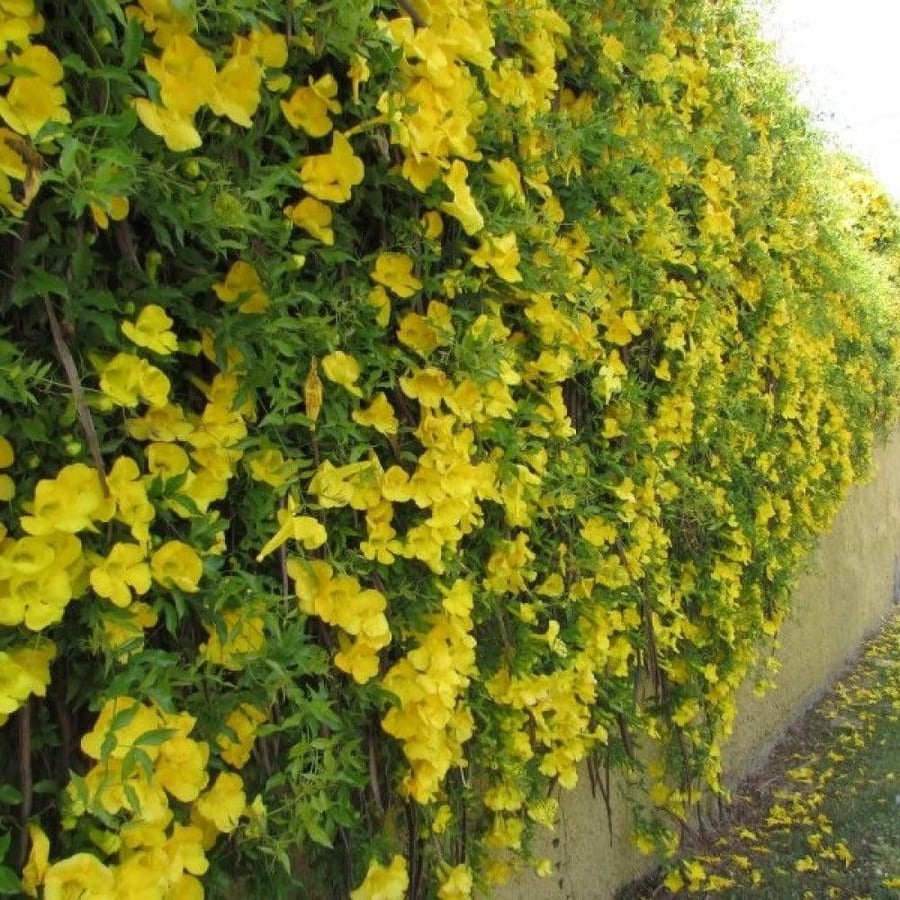
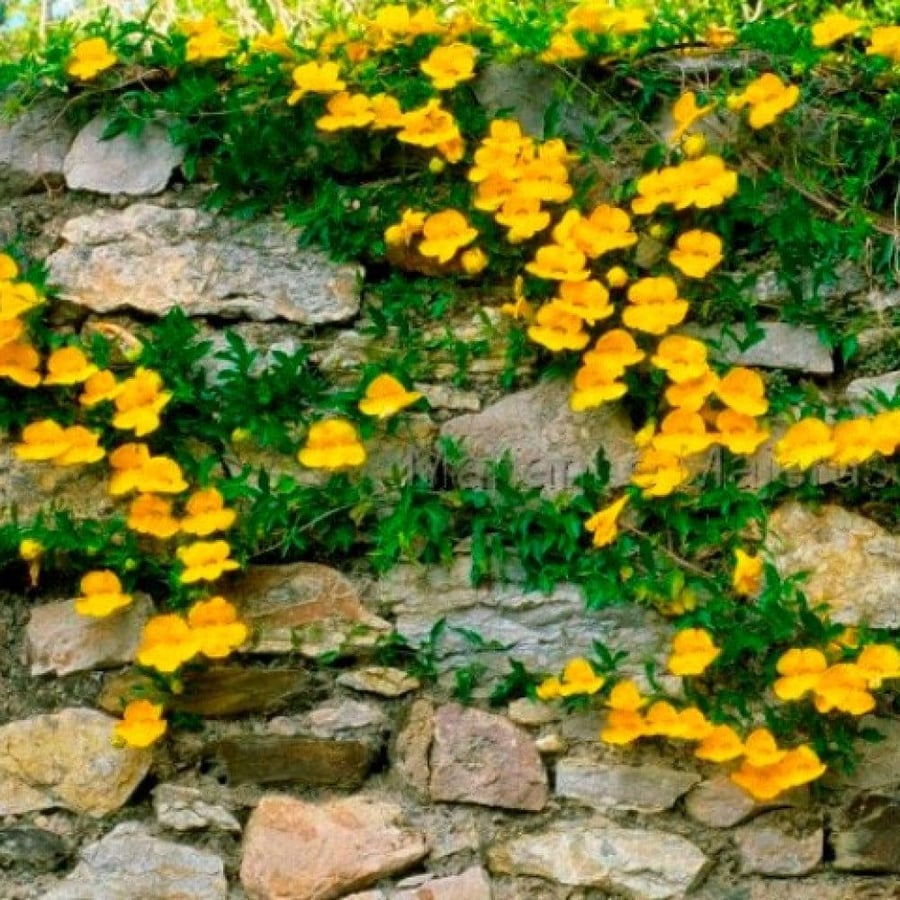
An evergreen tropical climbing plant that grows quickly and spreads rapidly due to its remarkable slender stems, which can be trellised and cling to all surrounding surfaces, columns, and walls without the need for support or anchoring. It reaches up to 10 meters in length and has shiny, evergreen leaves ending in three curved leaflets resembling a claw. It is considered a beautiful flowering plant that tolerates heat and frost. Being a fast-spreading plant, it must be pruned and contained in a suitable location, keeping in mind that direct contact with the skin during pruning may cause irritation, so wearing gloves is recommended when handling this plant.
Claw climber flower: Its flowers are bell-shaped and light yellow, blooming from late spring until early autumn.
Claw climber fruit and seeds: Its fruits are pod-shaped containing long, dark-colored feathery seeds.
Best season for propagation: The best seasons for propagating Macfadyena unguis are autumn and spring; it can also be cultivated year-round in moderate climates and protected areas.
Suitable climate and soil for growing Claw climber: It tolerates high temperatures and frost below zero degrees Celsius. It needs sunlight but can adapt to partial shade and relatively dry conditions. It can grow in most soil types but thrives in fertile soil.
How to cultivate Claw climber: It propagates through cuttings or seeds, as it is easy to germinate. Seeds are planted at a depth of no more than 2 cm from the soil surface. Regular watering is required until the plant sprouts, after which watering can be gradually reduced. It can also be fertilized with organic compost at least once during flowering to accelerate growth and development.
Its benefits and uses: The Claw climber is used for decoration and beautification of gardens and tall buildings. It is a popular ornamental plant worldwide and is also used as an herbal remedy in alternative medicine.
Original habitat: Tropical rainforests of South and Central America, now spread in many parts of the world.

From Buraydah
Questions you might have