




Indian gooseberry tree seeds
7ر.س
Product description
Common name: Indian Gooseberry - Amala
Scientific name: Phyllanthus emblica
Also known as: Amala, Amala Cherry, Currant, Indian Gooseberry, Malkash Tree
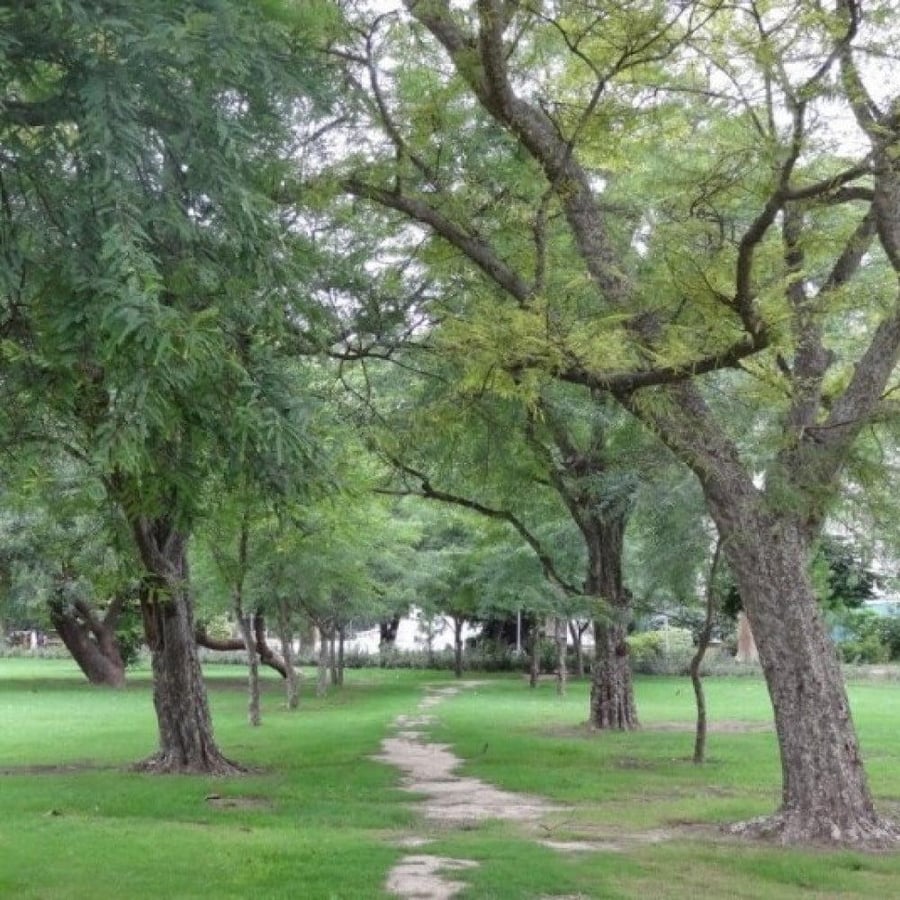
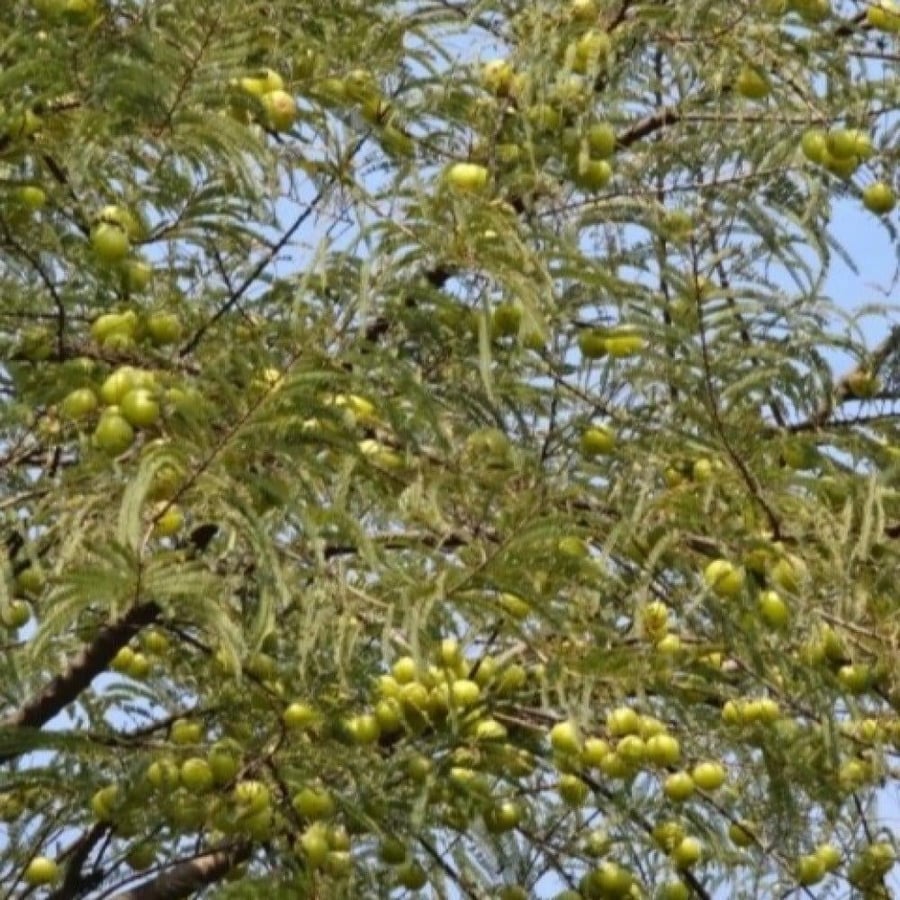
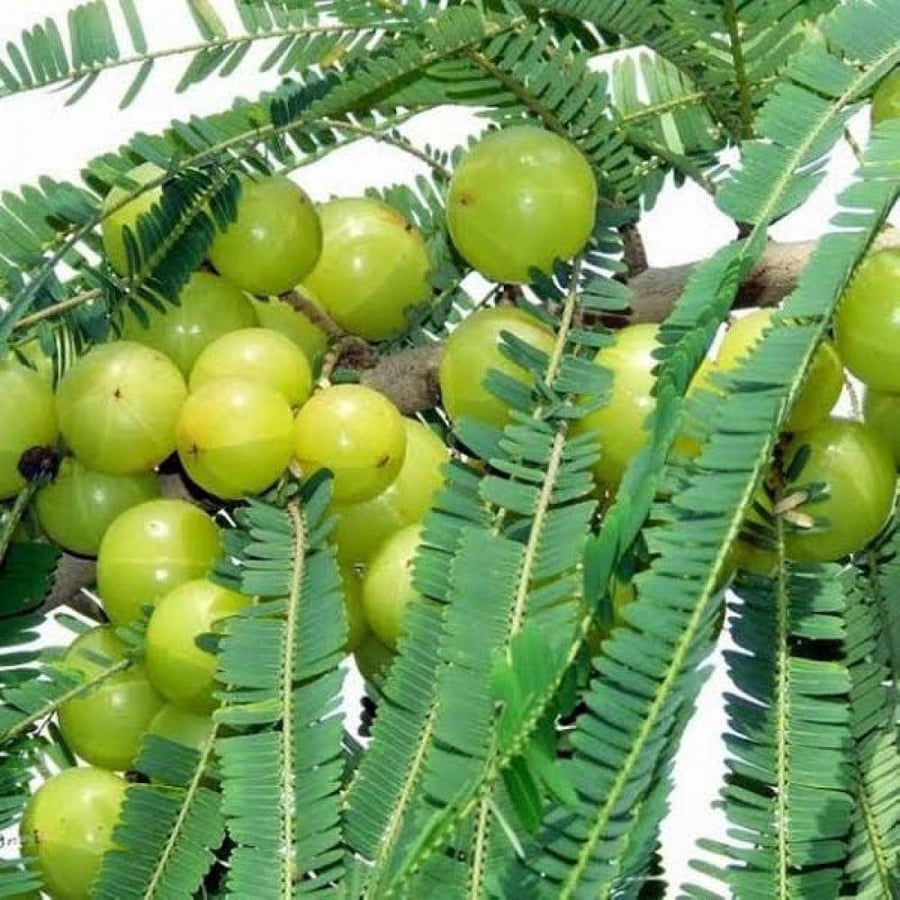
A tropical fruit tree from the Euphorbiaceae family, it is a small deciduous perennial that reaches up to 5 meters in height. Its leaves are light green, feather-like, growing along the branches up to 20 cm long. It is cultivated for decoration and for its high-nutritional-value fruits.
Flower of the Indian Gooseberry tree - Amala: its flowers are small and yellowish-green.
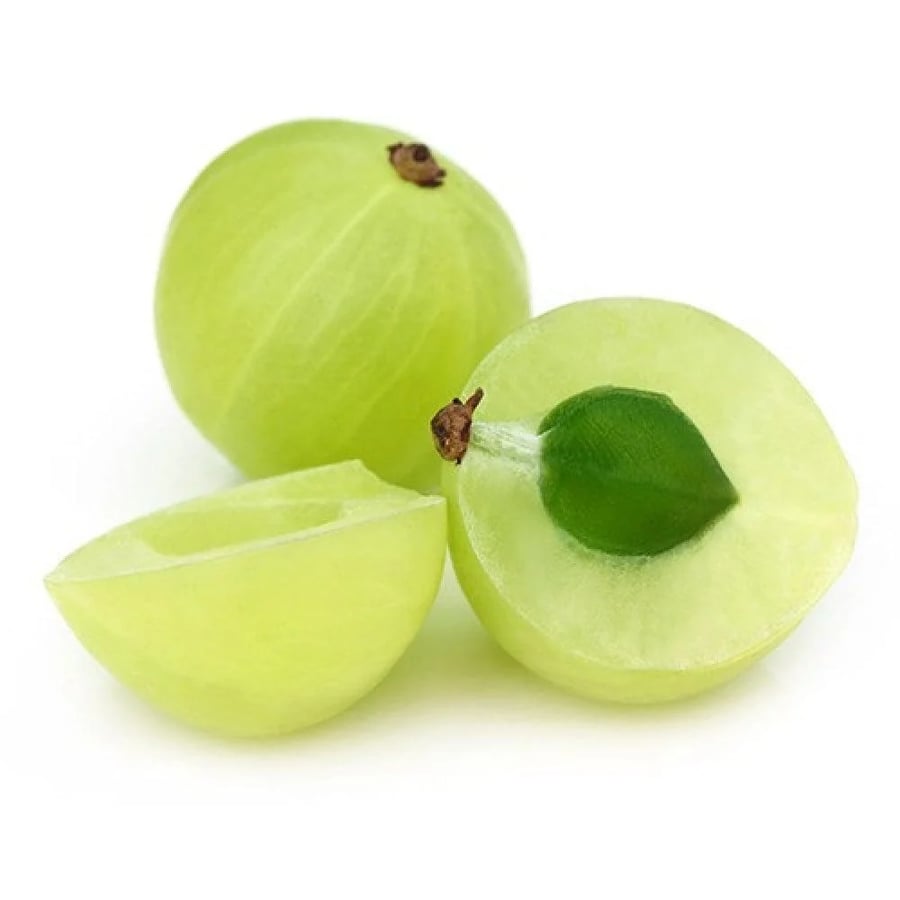
Seeds and fruit of the Indian Gooseberry tree - Amala: its small fibrous fruits do not exceed 0.5 cm in diameter, ripening in the fall. They are round, yellow, with a smooth texture, six vertical lines, and a bitter, tangy taste. Inside, they contain oval brown seeds.
Growing season of the Indian Gooseberry tree - Amala: it is planted outdoors in spring, and can also be cultivated year-round in agricultural protected areas, enclosed or plastic places where temperature can be controlled, sunlight reaches, or adequate lighting is available for the plant.
Suitable climate and soil for the Indian Gooseberry tree - Amala: it is a sun-loving plant, thriving in moderate climates and fertile, well-drained soil.
How to cultivate the Indian Gooseberry tree - Amala: propagated by cuttings, as well as by seeds planted at a depth of 1-2 cm. It is watered regularly and fertilized twice a year.
Its benefits and uses: Amala oil is extracted from the Indian Gooseberry tree, and it has high nutritional value. It is considered one of the most important plants in traditional Indian medicine.
Original habitat of the Indian Gooseberry tree - Amala: South Asia, from where it spread to many parts of the world.

From Buraydah
Questions you might have