

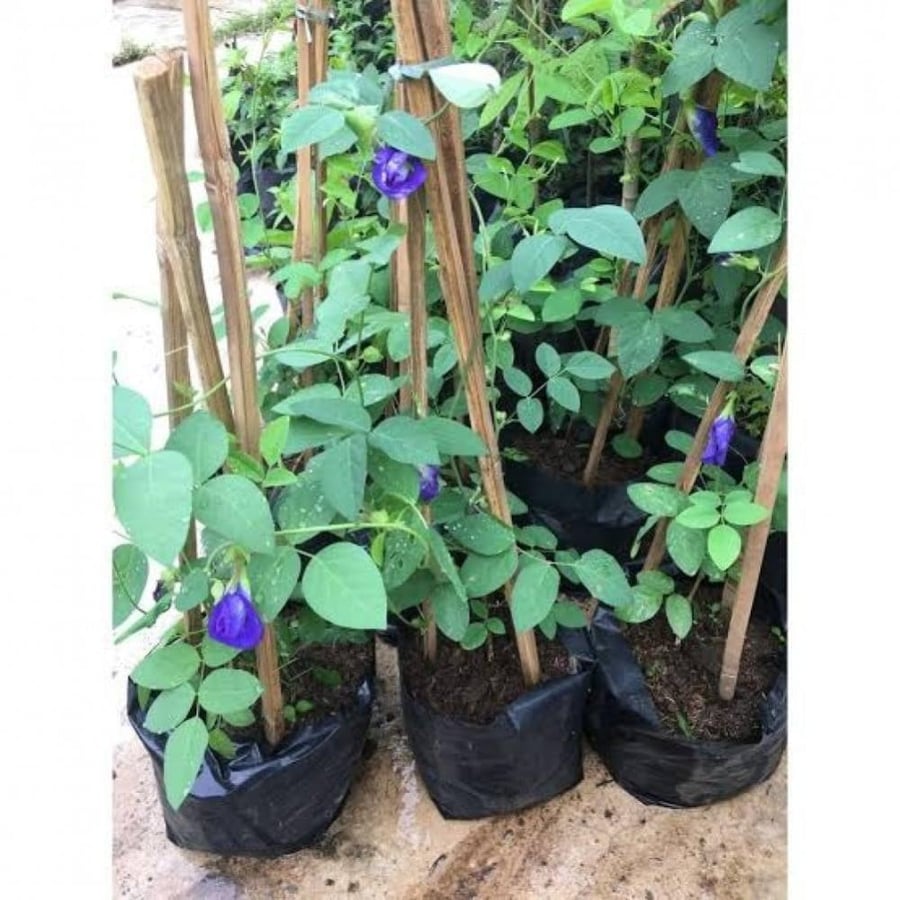
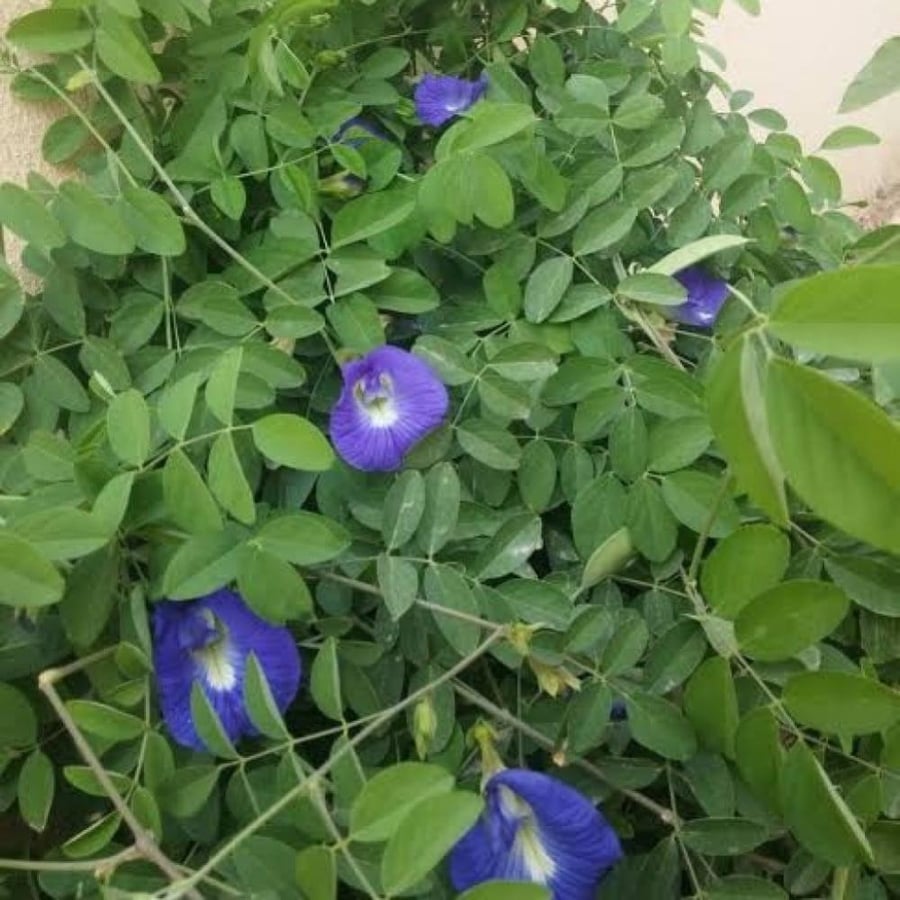
Blue tea climbing seeds (Clitoria ternatea)
7ر.س
Product description
Common name: Blue Tea
Scientific name: Clitoria ternatea
Also known as: Butterfly Pea - Blue Butterfly
Blue tea is a perennial climbing herb that grows quickly, with evergreen compound leaves, and branches that grow up to 3 meters. It has bright blue flowers and belongs to the legume family, not the known tea family.
• Blue tea flower: Its flowers are blue with a yellow center, appearing from June to September, with a shape different from other flowers.
• Blue tea fruit and seeds: Its fruits are pod-shaped, up to 7 cm long, containing small black seeds that are bullet-shaped.
• Germination season: It is preferable to plant it at the end of summer and before the spring season. It can also be cultivated year-round in agricultural protected areas, enclosed or plastic places where temperature can be controlled, sunlight reaches, or where the necessary lighting for the plant is available.
• Suitable climate and soil for blue tea: It grows in sunny and semi-shaded areas, sensitive to drought and slight frost. It requires well-drained soil with regular watering.
• How to cultivate blue tea: It is cultivated by seeds or cuttings, at a depth of 1 to 2 cm. It grows quickly when planted, and does not require fertilization. It can be grown throughout the year in agricultural protected areas, enclosed or plastic places where temperature can be controlled, sunlight reaches, or where the necessary lighting for the plant is available.
• Benefits and uses: Blue tea climbing plant is used for decoration and has medicinal uses, as the Chinese used it as medicine for centuries. The blue tea leaves contribute to fat burning, thus reducing weight, lowering cholesterol, cleaning arteries, and improving circulation. Blue tea is also known for enhancing memory, reducing stress, and contains high levels of antioxidants that protect the body from free radical damage, as well as helping to eliminate signs of premature aging.
• Native habitat: Its native habitat is East Asia, and it is cultivated in Saudi Arabia, Gulf countries, and many Arab countries.

From Buraydah