Wild Sidr seeds
39ر.س
Product description
Number 500 seeds
Common name: Wild Sidr
Scientific name: Ziziphus nummularia
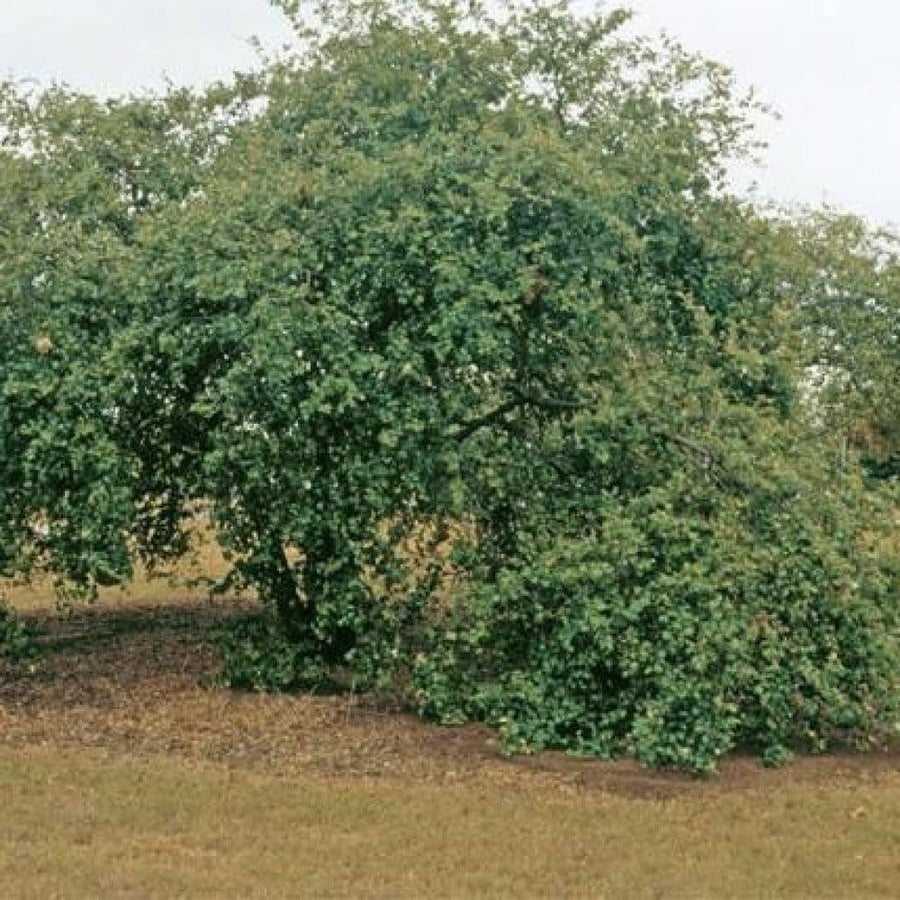
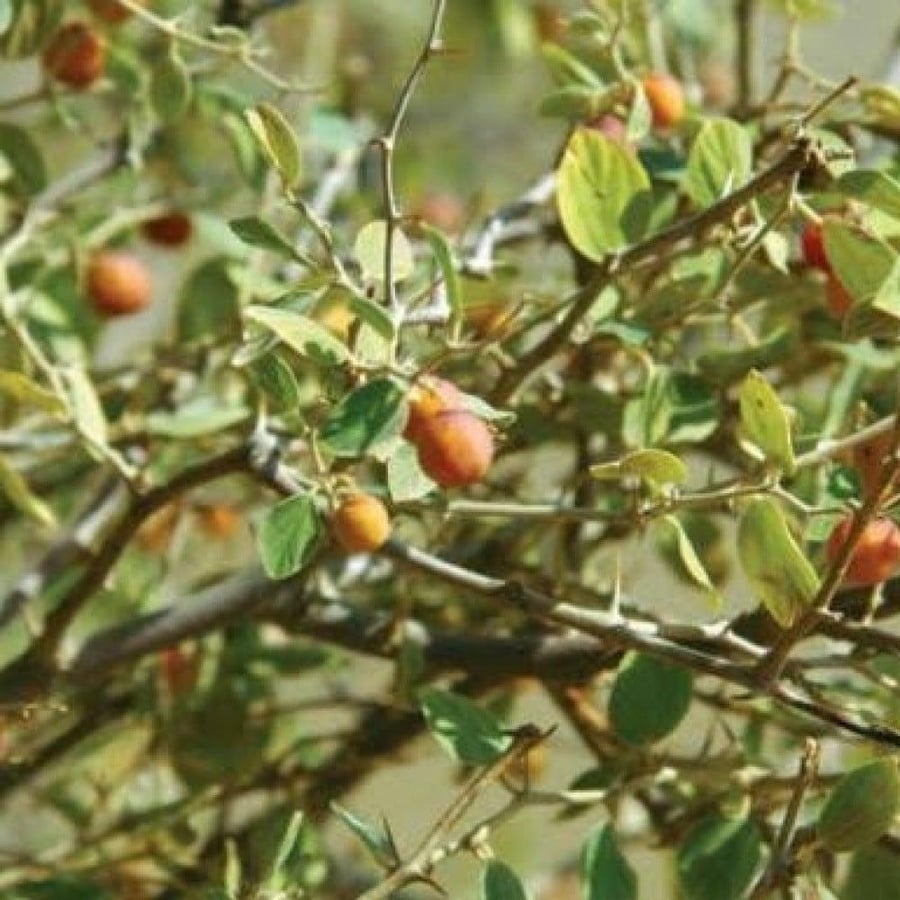
The Sidr tree is one of the desert trees belonging to the Rhamnaceae family, characterized by its dense leaves and branched trunks. Its small oval-shaped leaves are the smallest among Sidr leaves, and it spreads in plains and ravines.
• Wild Sidr tree flower: The flowers are located in leaf axils, ranging from 10 to 15 small greenish-white flowers. Its flowers bloom in summer.
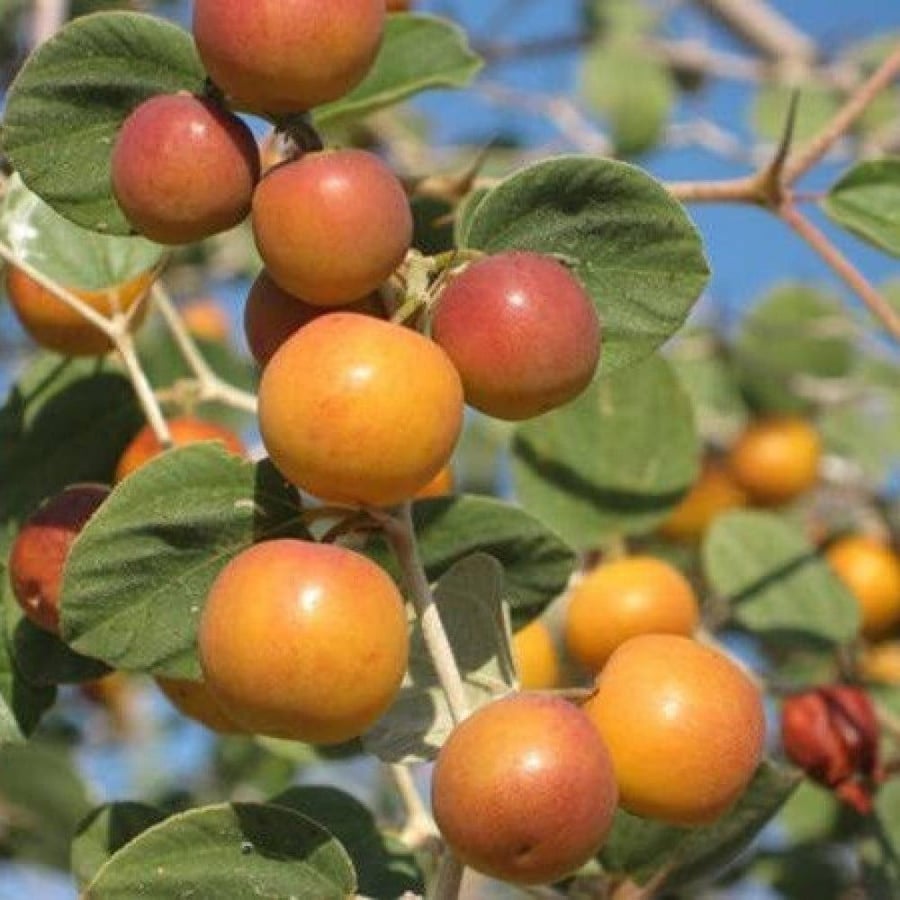
• Wild Sidr tree fruit and seeds: Spherical in shape, with a diameter ranging from 1.5 to 3.5 cm, orange or red in color, with a sweet taste.
• Wild Sidr tree germination season: It is preferable to plant local Sidr in March and April, but it can be cultivated year-round.
• Suitable climate and soil for the wild Sidr tree: Sidr grows in dry and hot areas, can tolerate salinity and all types of soil, and is considered one of the best plants for enduring these harsh conditions.
• How to cultivate the wild Sidr tree: Sidr is propagated by cuttings and seeds. Due to the hardness of the seeds, they are soaked in water or broken to speed up growth. Germination takes a long time, so it must be watered regularly. Flowering begins from September to October; it is preferable not to water it too much to avoid falling flowers at this stage.
• Its benefits and uses: Local Sidr has many benefits; it is edible because it is sweet, rich in fiber and minerals, and is used in soap-making and other cosmetic products.
• Native homeland of the wild Sidr tree: Its original homeland is the Kingdom of Saudi Arabia, Gulf countries, and Syria. It also spreads in tropical and subtropical regions.

From Buraydah
Questions you might have