



Seeds of Chinese Senna herb - Al-Munjili (Senna obtusifolia)
7ر.س
Product description
Common name: Chinese Senna
Scientific name: Senna obtusifolia
Other names: Kulkul - Wild Senna - Senna with non-pointed leaves
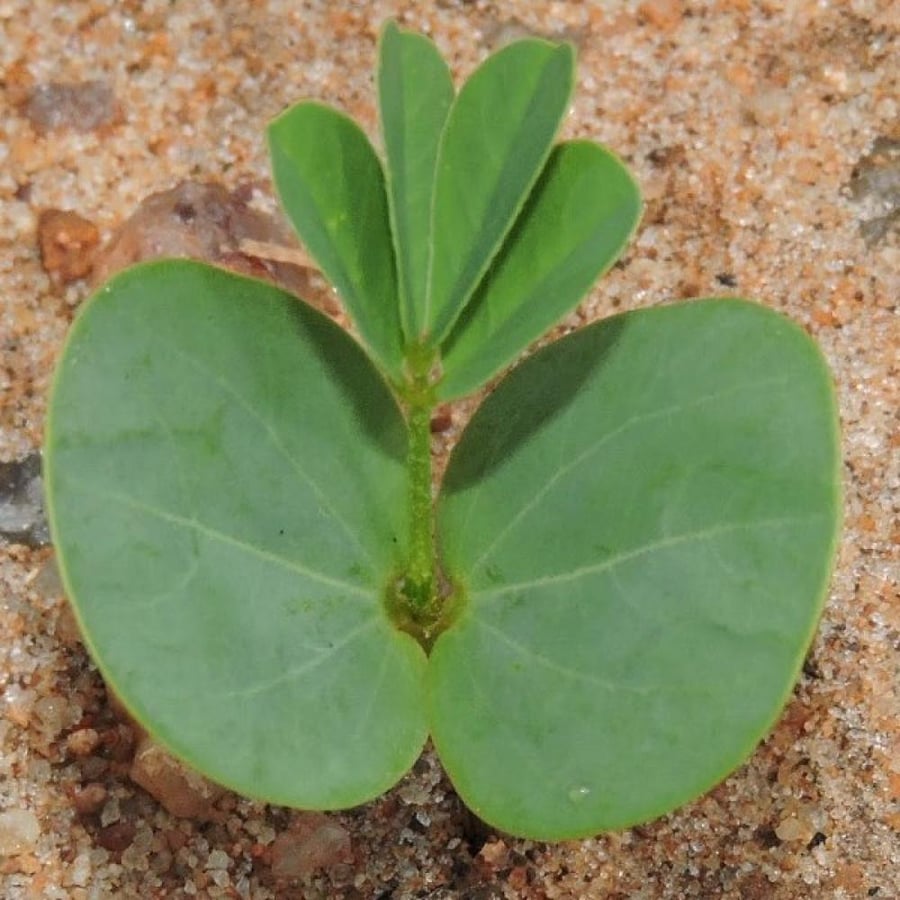
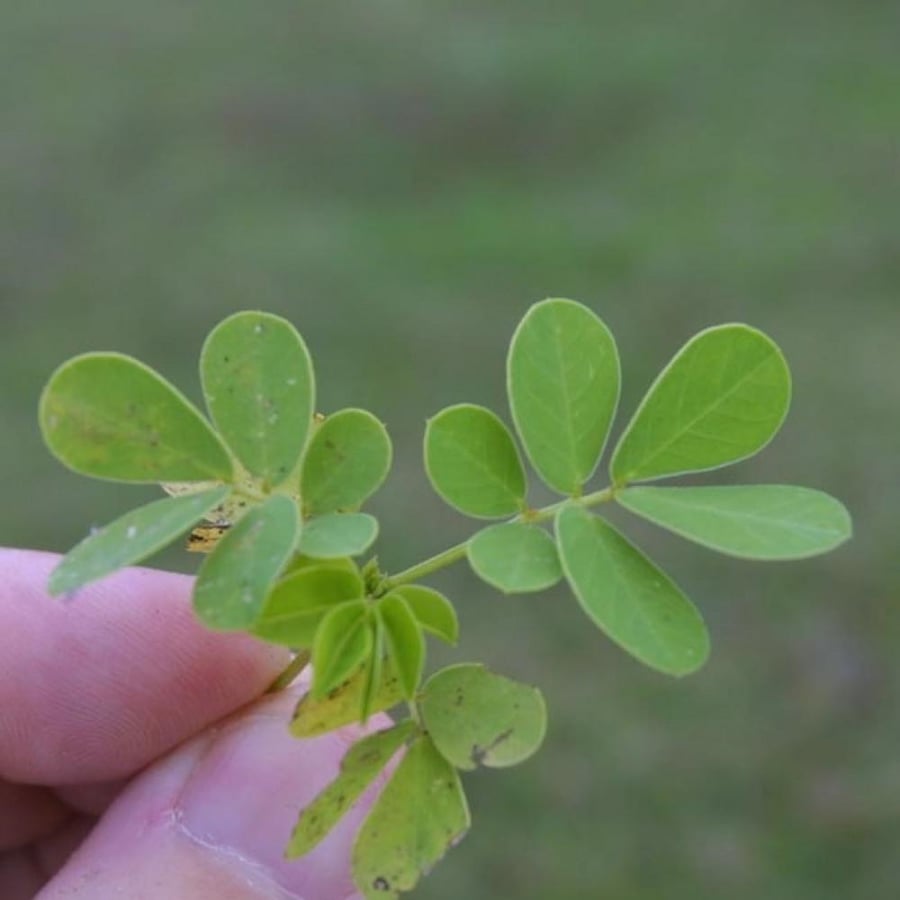
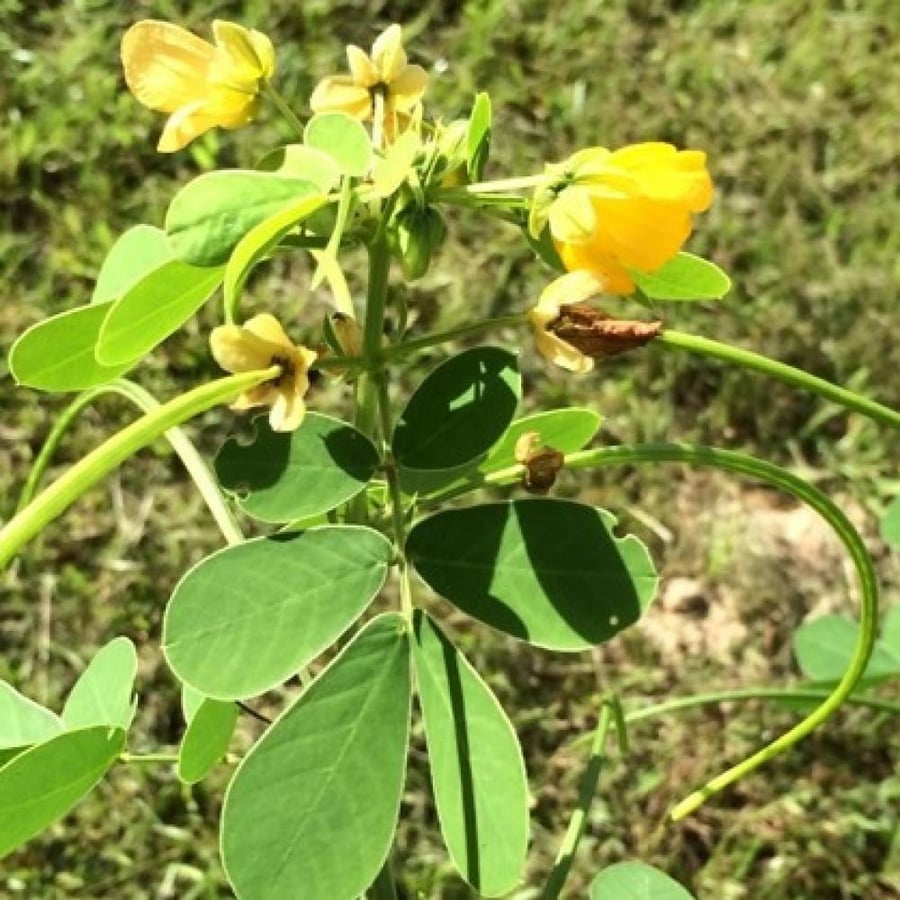
A tropical wild shrub from the legume family, short-lived, exceeding one meter in height, with branched stems in open land where the diameter can reach 2 meters. It has oval-shaped opposite leaves up to 2 cm long, and a long history of medicinal and therapeutic uses.
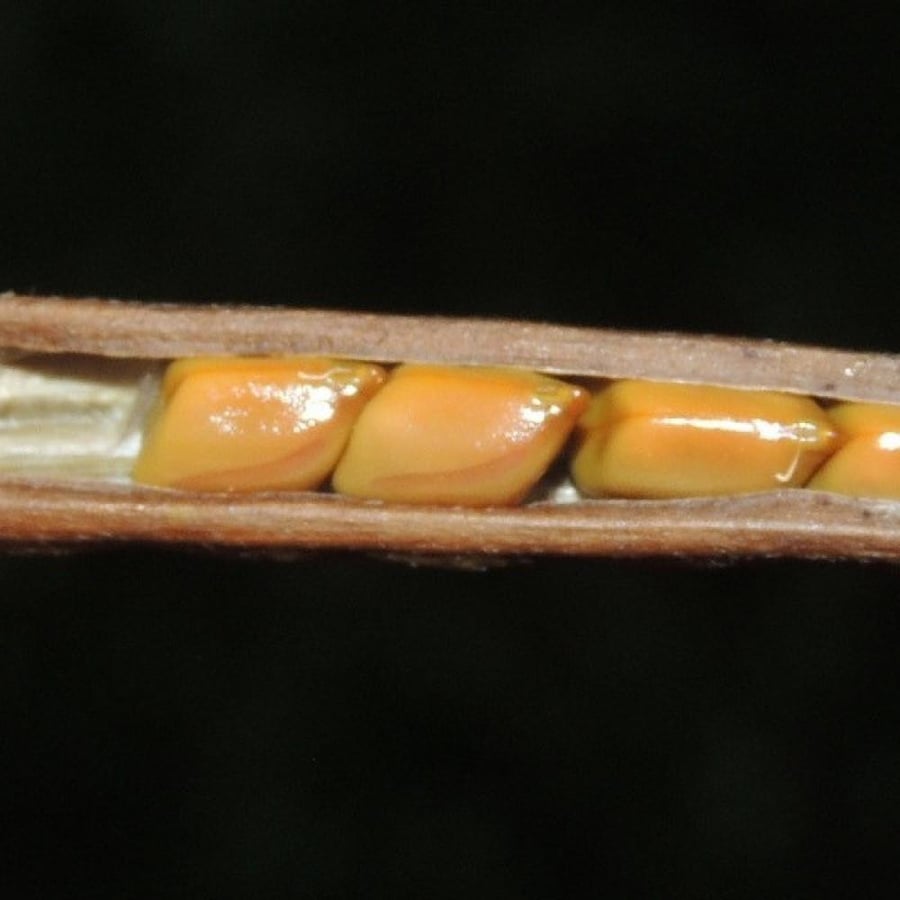
• Seeds and fruit of Chinese Senna - Mungiliya: Its fruits are slender, curved pods that bend sharply downward, reaching up to 18 cm in length, containing seeds that are close to the shape of a rhombus, small, hard, and dark-colored.
• Growing season of Chinese Senna - Mungiliya: It is planted in spring, and can also be cultivated year-round in warm regions, protected agricultural areas, enclosed or plastic-covered places where temperature can be controlled and sunlight or sufficient lighting is available.
• Suitable climate and soil for cultivating Chinese Senna - Mungiliya: It thrives in moderate and warm climates, tolerates high heat, needs sunlight, loves humidity, and can proliferate in tropical areas to become invasive. It tolerates temporary drought and is planted in fertile, well-drained soil.
• Method of cultivating Chinese Senna - Mungiliya: It is cultivated by seeds planted at a depth not exceeding 1 cm from the soil surface, and can be fertilized with organic fertilizer at least once to accelerate growth.
• Its benefits and uses: It is cultivated for its leaves and roots, which have multiple medicinal uses. In Sudan, green leaves are fermented to produce a high-protein food called "Kwal," which is eaten as a meat substitute.
• Original habitat of Chinese Senna - Mungiliya: North America and Africa.

From Buraydah
Questions you might have