


Seeds of the herb Al-Samḥ (Opophytum forakahlii)
6ر.س
Product description
Common name: Samhal
Scientific name: Opophytum forakahlii
Also known as: Fathal
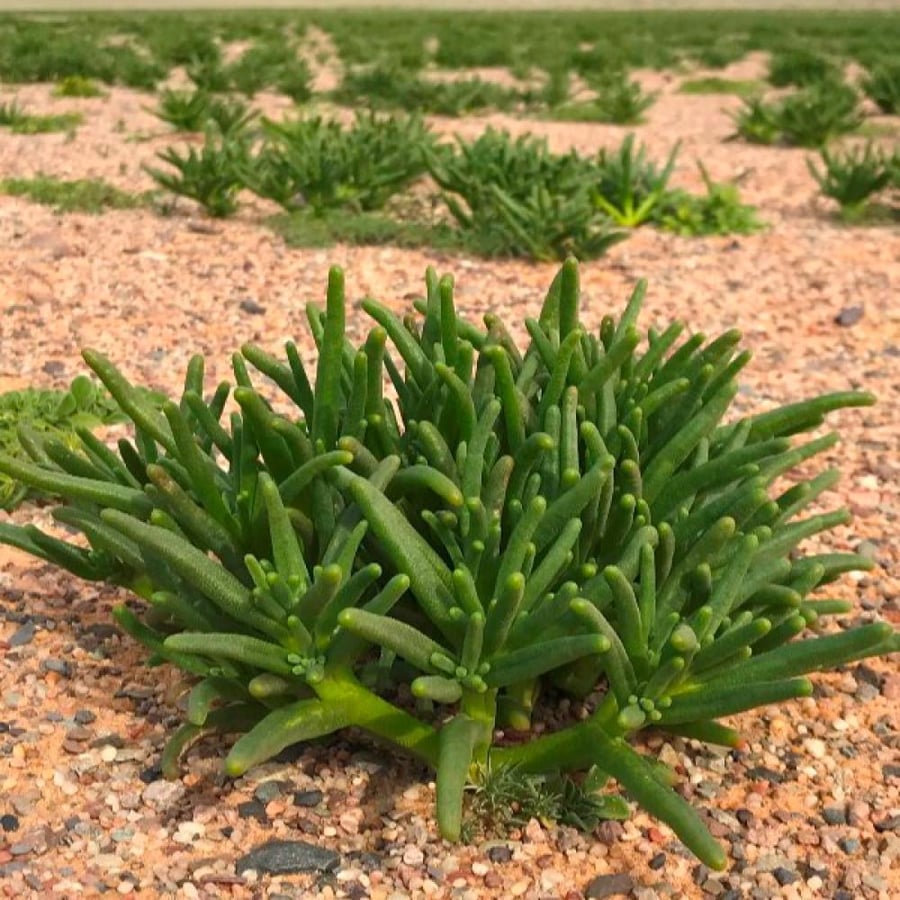
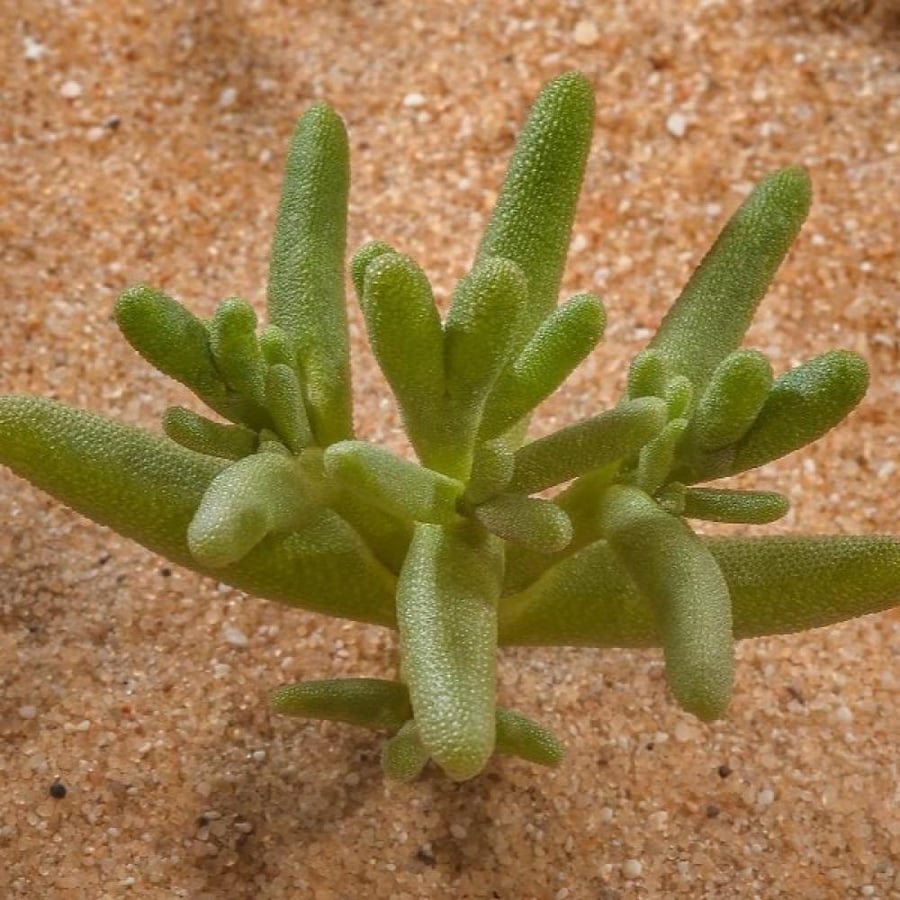
It is a seasonal herbaceous plant that reaches a height of about 25 cm, densely branched, with cylindrical succulent leaves about 5 cm long. It blooms in spring and its seeds ripen in summer. It has nutritional value as its harvest is collected at the end of spring, then roasted and ground, and used to make some traditional dishes. It is abundant in the plains areas of Al-Jawf and south of Tabarjal Province.
What is the shape of Samhal's flower?
Its flowers are cream-colored, small in size, with thin, multiple petals. It blooms in spring.
What is the shape of Samhal's seeds?
Its seeds are dark-colored, extremely tiny—smaller than grains of sand—and round in shape.
When is the season for planting Samhal?
Autumn is considered the best time for planting Samhal, but it can also be cultivated throughout the year in controlled environments and areas with a moderate climate.
What is the suitable climate and soil for growing Samhal?
It thrives in spring weather, usually spreading in rocky plains and flat calcareous lands.
What is the method of planting Samhal?
Since Samhal seeds are extremely tiny, it is better to mix the seeds with a small amount of fine sand to facilitate scattering. After scattering, the seeds are combed or covered lightly with soil. It is regularly watered throughout the germination period until the seedlings appear.
What are the benefits and uses of Samhal?
It is cultivated for multiple purposes.
Where is the native habitat of the Samhal plant?
In Al-Jawf region and Tabarjal Province.

From Buraydah
Questions you might have