



Local Sidr seeds
90ر.س
Out of Stock
Product description
Weight 1 kilogram
Common name: Sidr Al-Badji
Scientific name: Ziziphus spina-christi
Also known as: Swid - Nabaq - Abhari - Kanar
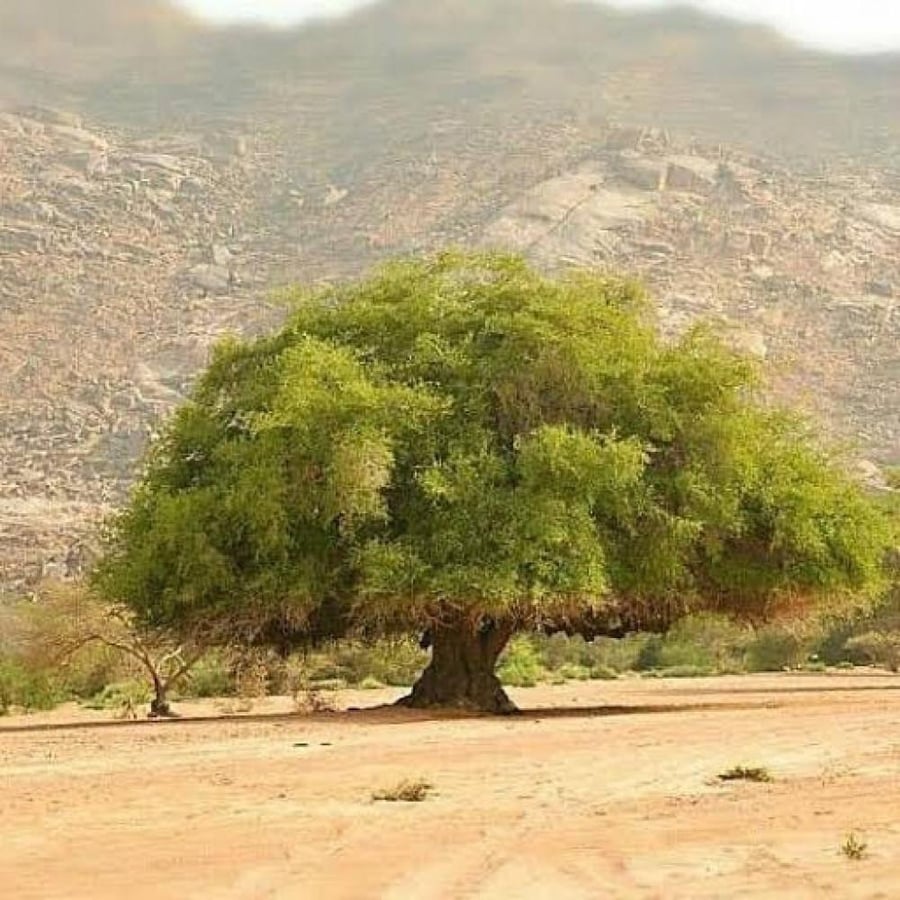
The Sidr tree is a desert tree belonging to the Rhamnaceae family, characterized by its dense leaves and branched trunks. Its small, oval-shaped leaves are found in mountainous areas.
• Wild Sidr tree flower: The flowers are located in leaf axils, ranging from 10 to 15 small greenish-white flowers. Its flowers bloom in summer.
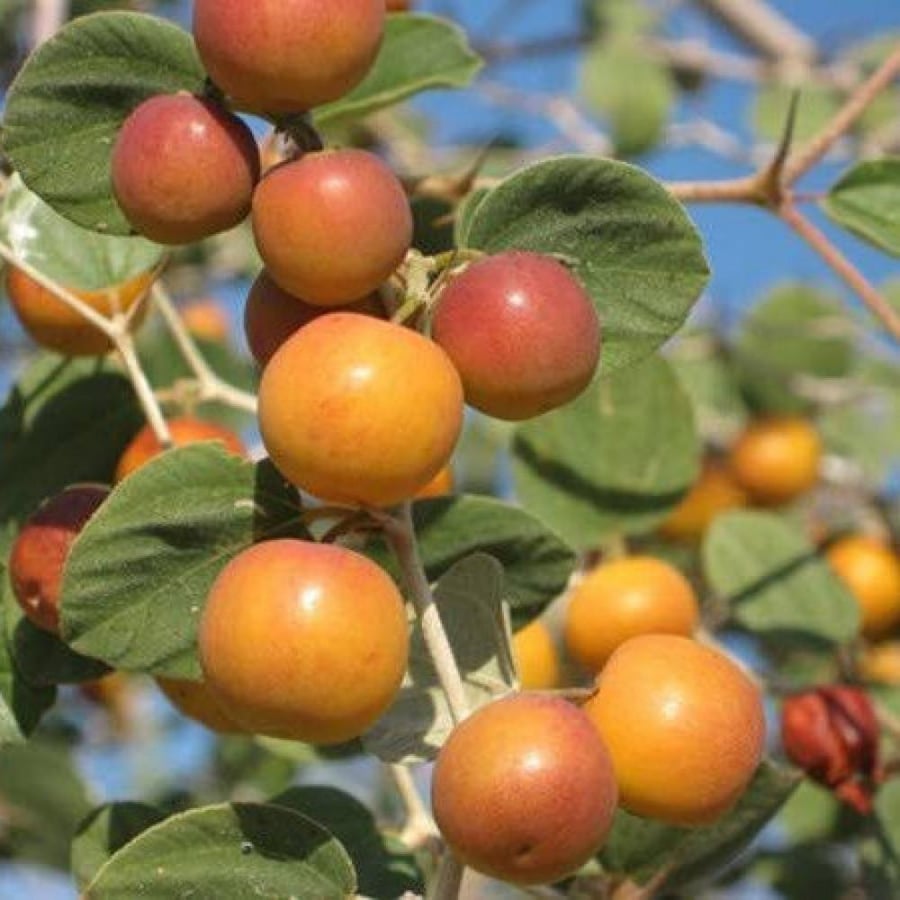
• Wild Sidr tree fruit and seeds: Spherical in shape, with a diameter ranging from 1.5 to 3.5 cm, orange or red in color, with a sweet taste.
• Wild Sidr tree germination season: It is preferred to plant the native Sidr in March and April, but it can be cultivated year-round.
• Suitable climate and soil for the wild Sidr tree: Sidr grows in dry and hot regions, can tolerate salinity and all types of soil, and is considered one of the best plants for enduring these harsh conditions.
• How to cultivate the wild Sidr tree: Sidr is propagated by cuttings and seeds. Due to the hardness of the seeds, they are soaked in water or broken to accelerate growth. Germination takes a long time, so it must be watered regularly. Flowering begins from September to October. It is preferable not to water it too much to avoid falling flowers at this stage.
• Its benefits and uses: The native Sidr has many benefits; it is edible because it is sweet and rich in fibers and minerals. It is also used in soap making and other cosmetic products.
• Original habitat of the wild Sidr tree: Its original habitat is Saudi Arabia, the Gulf countries, and Syria. It also spreads in tropical and subtropical regions.

From Buraydah


