



Yellow Jacaranda seeds - Abu Al-Makarim
54ر.س
Out of Stock
Product description
Number 200 seeds
Common name: Yellow Jacaranda - Abu Al-Makarim
Scientific name: Tipuana tipu
Other names: Tipuana - Rosewood
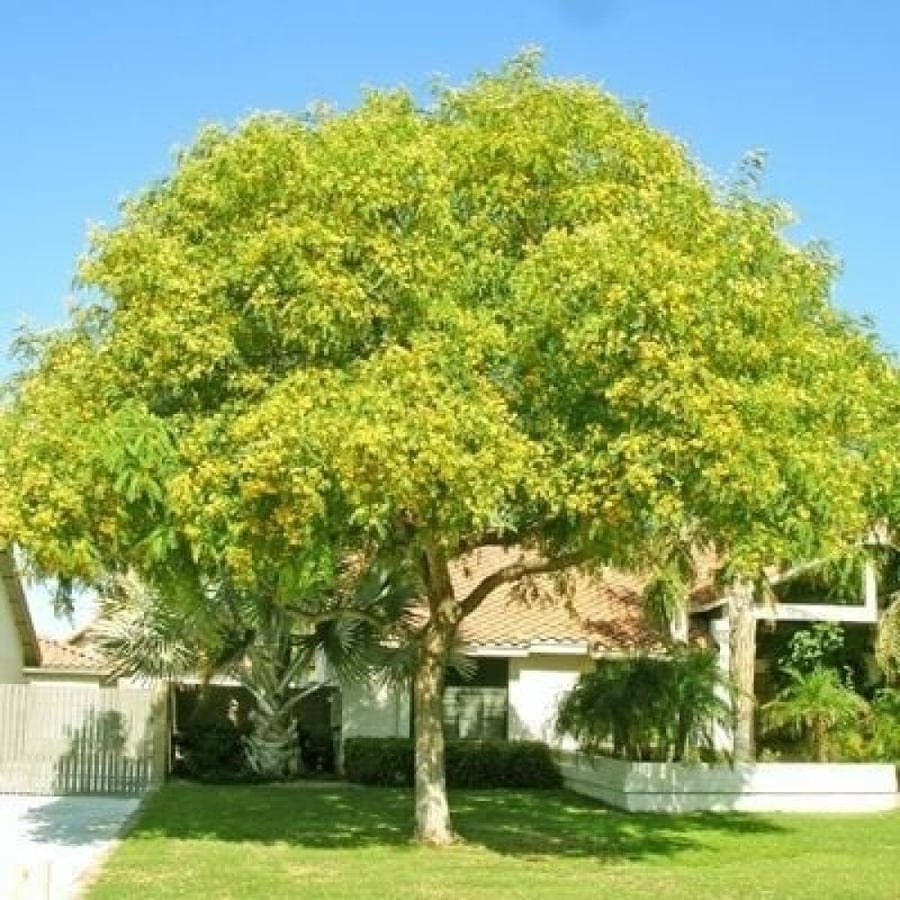
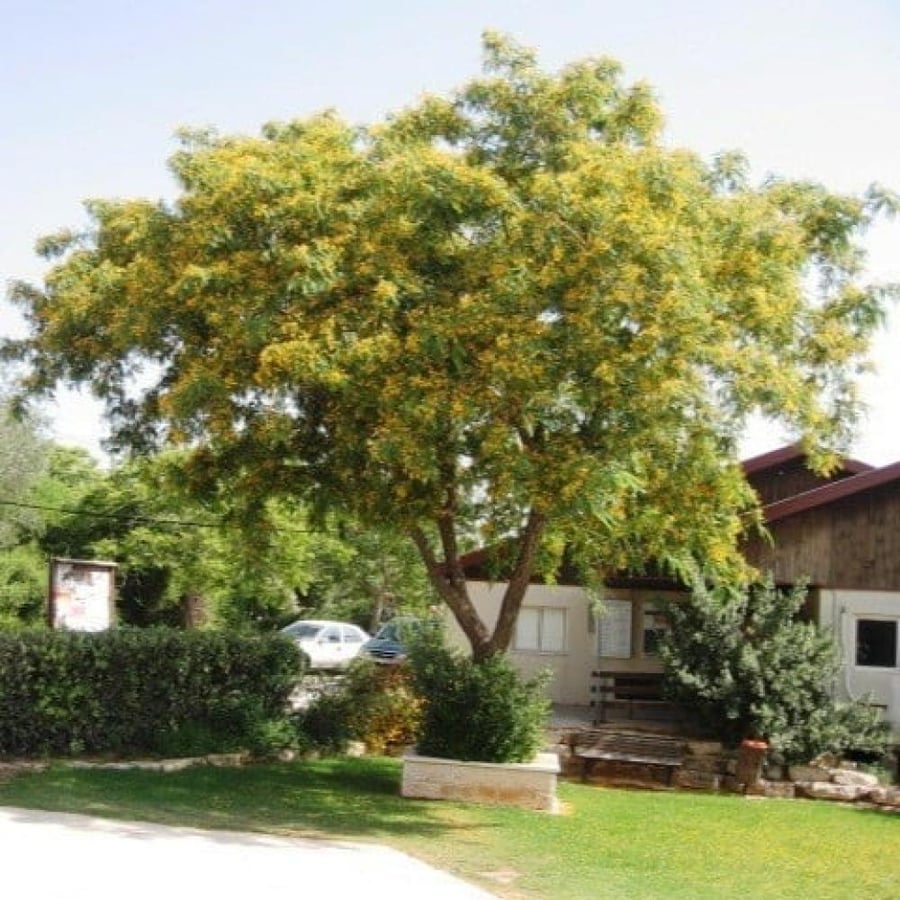
A semi-deciduous tree, exceeding 10 meters in height, forming a flat crown that expands with age to take the shape of an umbrella, reaching a width of 10 meters. The leaves are compound with multiple oval-shaped leaflets, and it is a tree with active roots, which is not recommended to be planted near fences and water tanks.
• Yellow Jacaranda flowers - Abu Al-Makarim: The flowers appear from late spring to early summer. The flowers are abundant in clusters and resemble pea flowers, and are golden in color. Fallen flowers form a dense cover on the ground.
• Yellow Jacaranda fruit and seeds - Abu Al-Makarim: The fruit is winged pods, 4 cm – 8 cm in size, and are not edible. They contain seeds inside.
• Growing season for the Yellow Jacaranda - Abu Al-Makarim: It is cultivated and propagated by seeds from January to May, and can also be grown year-round in agricultural protected areas and enclosed or plastic places where temperature can be controlled, sunlight reaches, or adequate lighting is available for the plant.
• Suitable climate and soil for the Yellow Jacaranda - Abu Al-Makarim: The tree is exposed to full sunlight. The tree tolerates salinity and withstands light frost. The alkaline soil should be improved by adding compost and acidic fertilizers. Young trees should be pruned and supported from the beginning to form a straight trunk, and require moderate watering in well-drained soil.
• How to plant the Yellow Jacaranda - Abu Al-Makarim: It propagates easily through seeds at a depth of 1 cm – 2 cm, and needs care and support during its early growth stages, then it requires little maintenance afterward.
• Its benefits and uses: Used in landscaping for the beauty of its flowers and for shade protection from the sun due to its abundant shade.
• Native habitat of the Yellow Jacaranda - Abu Al-Makarim: Its original habitat is Bolivia, and it has been successfully cultivated in Saudi Arabia and Gulf countries.

From Buraydah