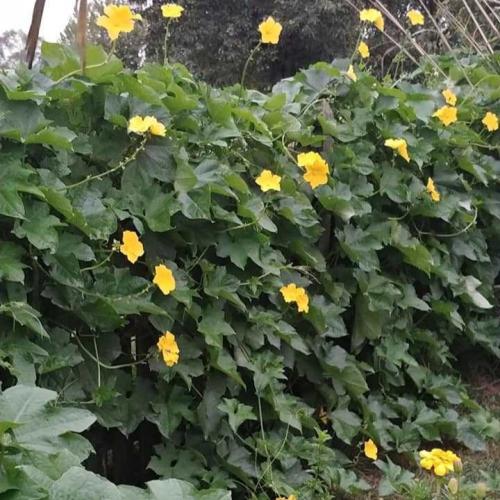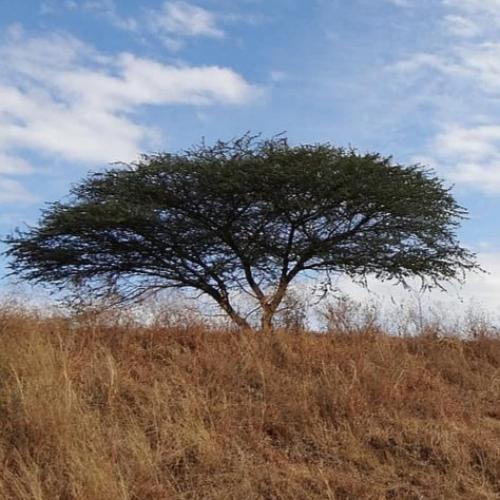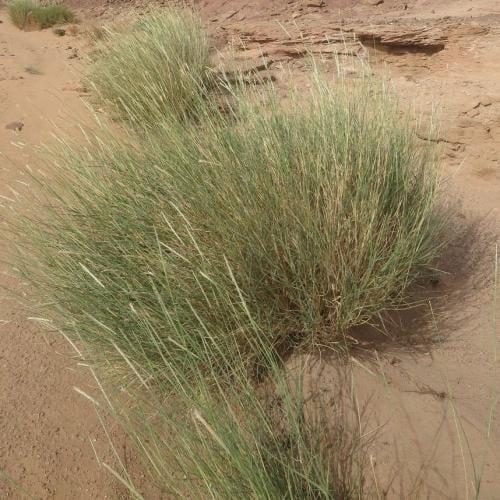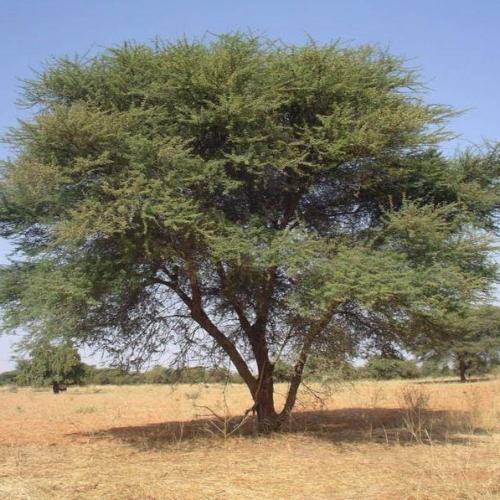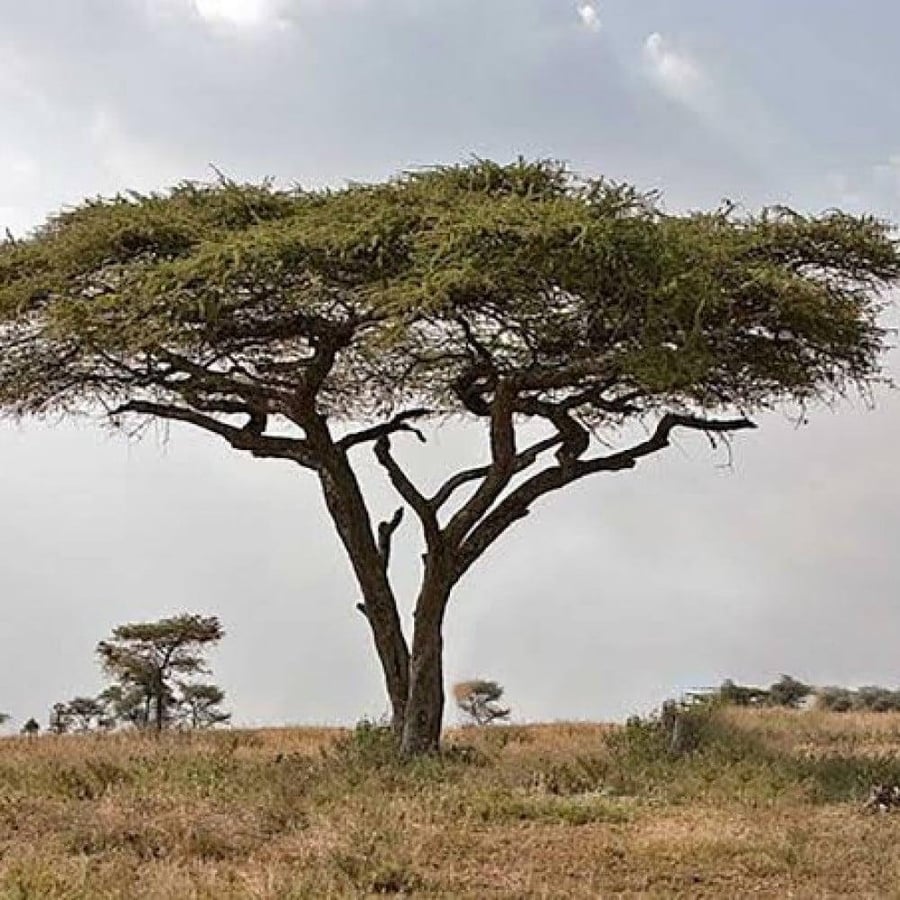
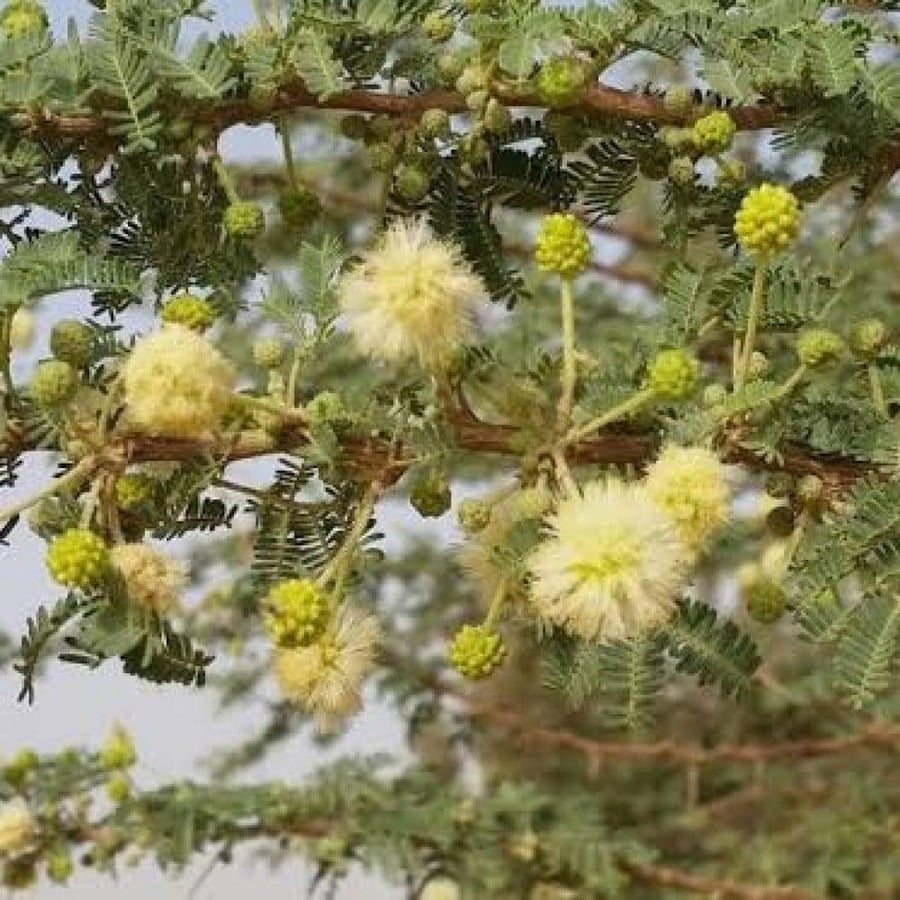
Seeds of the Najdi Talh tree (Acacia gerrardii)
6ر.س
Product description
Common name: Al Talh Najdi
Scientific name: Acacia gerrardii var. najdensis
Al Talh Najdi trees are varied, with branches bearing thorns and dark-colored cracked bark on the trunk. They grow in lowlands, valleys, and watercourses. Their trees have a flat crown and a single, twisted, red trunk. The new branches are covered with dense grayish hairs and have many white pairs of thorns. The main trunk of mature trees has no thorns. They reach a height of 8 to 10 meters. The leaves are deciduous.
• Flower of the Al Talh Najdi tree: Its flowers appear in round, white to yellowish inflorescences, with a pleasant scent, from October to February.
• Fruit and seeds of the Al Talh Najdi tree: The fruits are curved, elongated pods, up to 15 cm long. The tip is curved, and the color is red.
• Propagation season of the Al Talh Najdi tree: The propagation season is in March and April, as well as in October and November, which are moderate months in the year, suitable for most seeds, especially wild seeds.
• Suitable climate and soil for the Al Talh Najdi tree: It tolerates harsh climatic conditions, such as hot weather, as well as drought and dryness.
• Method of cultivating the Al Talh Najdi tree: It is preferable to soak the seeds in warm water for several hours or carefully scratch them before planting. The seeds are planted in the soil at a depth not exceeding 1 cm, and they are irrigated regularly until the seedlings appear.
• Its benefits and uses: It is one of the best trees for combating desertification, and it has medicinal uses. Its flowers are also used to feed bees to help produce honey of various types.
• Original habitat of the Al Talh Najdi tree: Its original habitat is the Arabian Peninsula desert.

From Buraydah
Questions you might have